



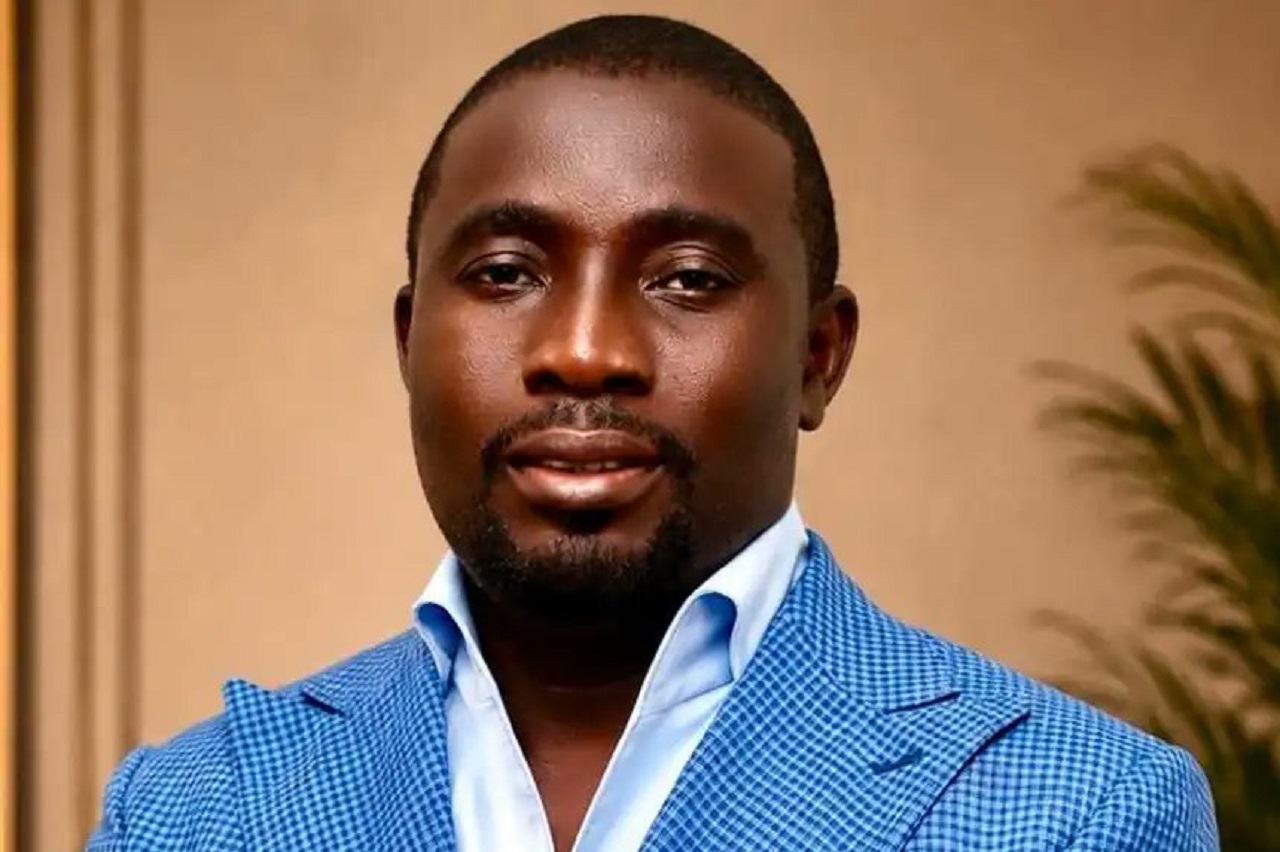
Togolese journalist Loïc Lawson was elected on May 29, 2026, as President of the International Union of Francophone Press (UPF), following an elective General Assembly held remotely. This designation marks an important turning point for the organization, one of the oldest structures bringing together French-speaking media professionals, and also represents a historic first for Togo.
According to the results reported after the vote, Loïc Lawson emerged victorious with 28 votes, against Guinean Ibrahima Koné, who received 8. He thus succeeds Moroccan Meriem Oudghiri for a three-year term (2026-2029), leading an organization called to reinvent itself in a context marked by significant changes in the French-speaking media landscape.
Beyond the symbolic significance of this election, the arrival of the Togolese comes at a pivotal moment for the UPF. During the same assembly, the outgoing board reported a difficult financial situation, mentioning the need for modernization of governance, texts, and the organization’s functioning. The new president, who previously led the Togolese section from 2019 to 2025, thus inherits an institution in need of revitalization, at a time when challenges related to press freedom, journalist safety, and the transformation of the information sector are multiplying.
Marianna Muland from the DRC appointed as Secretary General
In his initial statements, Loïc Lawson placed his mandate under the sign of renewal, unity, and journalist protection. “This vote honors and commits me. Today, there are no winners or losers. There is only the UPF growing stronger,” he declared, calling on all sections to unite to breathe new life into the organization. He emphasized that the upcoming task should be carried out “together, in a spirit of dialogue, solidarity, and inclusion.”
With this election, the African presence within the Francophone media is also strengthened. The new international board notably includes Marianna Muland as Secretary General, as well as several vice-presidents representing the different geographical areas of the organization, from sub-Saharan Africa to Europe, through the Caribbean and the Maghreb.

