



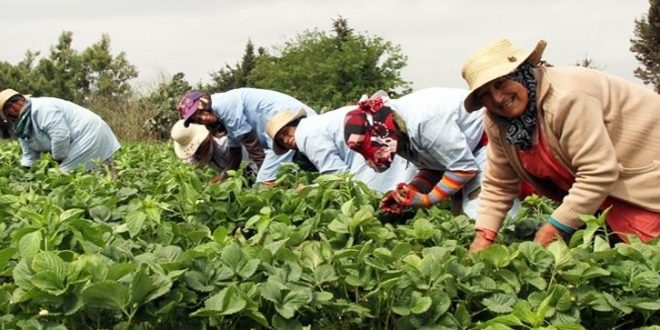
A national harvest of 90 million quintals and a growth of around 15% in agricultural GDP: these are the prospects announced by the Minister of Agriculture, Ahmed El Bouari, for the 2025-2026 campaign, on the occasion of the 18th edition of the International Agriculture Fair in Morocco (SIAM), held on April 20, 2026 in Meknes. After several cycles of drought, the return of rainfall between January and March 2026 favored the sowing of 3.9 million hectares of cereals, thus marking a clear recovery in the sector.
The improvement in the water situation is the foundation of this revival, with dam reserves reaching 13 billion cubic meters, representing a filling rate of 75.7%. This volume of water not only secures spring and summer crops, but also allows for the resumption of irrigated agriculture throughout the country. Alongside cereals, tree crop sectors – particularly olive, citrus, and date palms – are showing significant improvements compared to years of water stress.
According to the country’s recent agricultural report, the livestock sector remains a strategic pillar, contributing 35% of the agricultural GDP and involving 1.2 million breeders. The Moroccan livestock, estimated at 33 million heads, ensures a production of 530,000 tons of red meat and 2 billion liters of milk. This sector represents a major lever for income stability in rural areas and generates 135 million workdays annually, thus consolidating its driving role in the country’s social economy.
The Moroccan poultry sector, according to experts, confirms its autonomy with a production of 784,000 tons of white meat and 6.5 billion eggs, covering all the needs of the national market. This overall performance of animal and plant production strengthens the Kingdom’s food security in a context of climate stabilization. Storage infrastructure and irrigation programs planned for the next campaign now aim to sustain these achievements and support the sector’s resilience against future challenges.

