



Present in Africa for half a century, Airbus intends to strengthen its industrial and human footprint on a continent where air transport is experiencing one of the highest growth rates in the world. Between industrial investments, skills development, and fleet expansion, the European group sees Africa as a long-term strategic market.
This year, Airbus is celebrating the 50th anniversary of its first delivery on the African continent. In 1975, South African Airways received an A300, marking the beginning of a presence gradually transformed into a true industrial and service ecosystem.
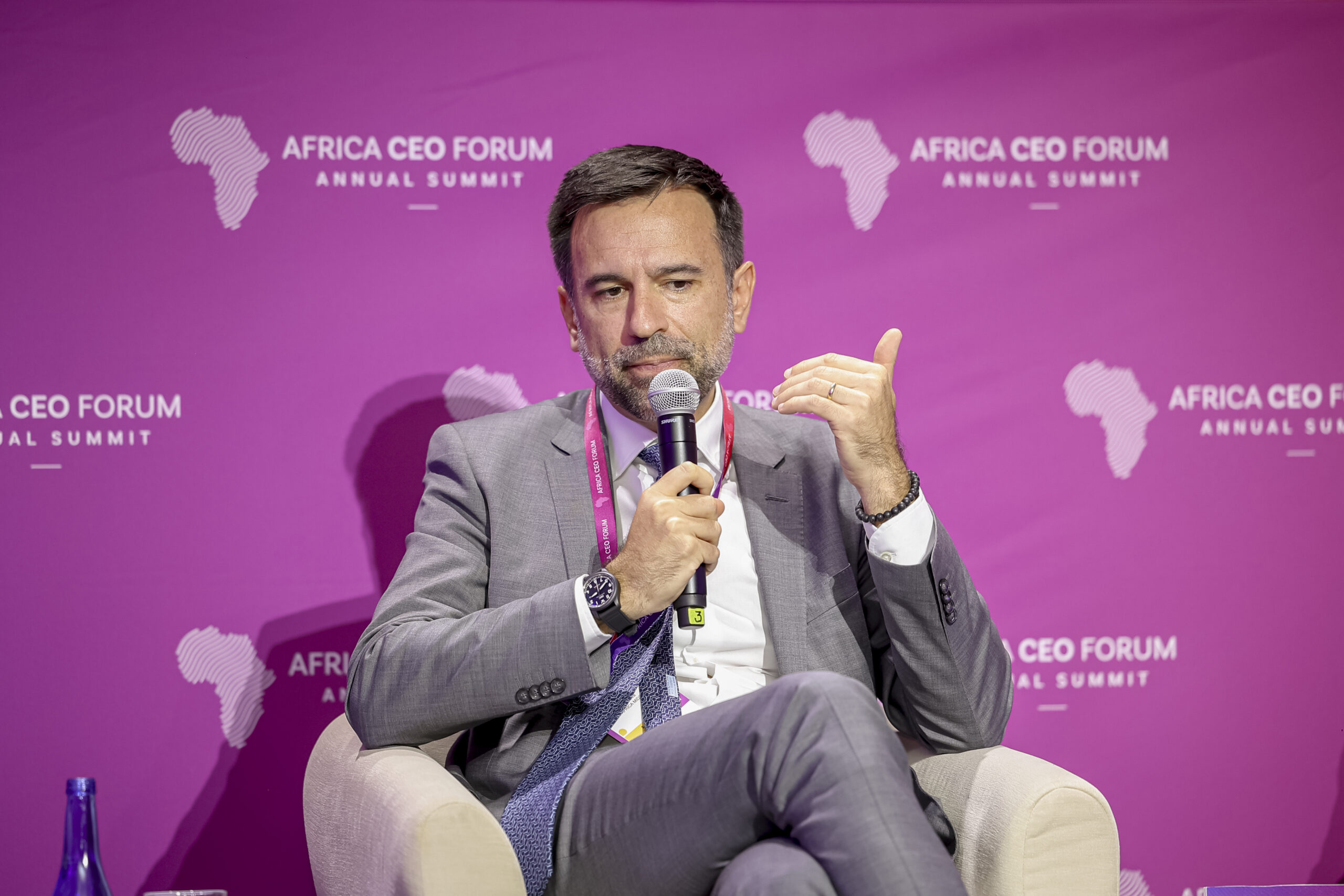
“We are very pleased with this milestone in Airbus’ history. We started fifty years ago with an A300 for South African Airways and we are proud of the ecosystem we have created since then,” says Gabriel Semelas, President of Airbus Africa and Middle East.
Today, the European manufacturer supports nearly 3,000 direct jobs in Africa and around 20,000 indirect jobs through its network of partners and suppliers. Over 400 African companies are integrated into its supply chain, with purchasing volume exceeding $1 billion on the continent.
An industrial presence from Morocco to South Africa
The bulk of Airbus’ industrial footprint in Africa is concentrated in North Africa. Morocco and Tunisia account for nearly 2,500 jobs related to the group’s activities, particularly in the manufacturing of aerostructures, wiring systems, and precision aeronautical components.
For Gabriel Semelas, these establishments illustrate Africa’s ability to develop a competitive aerospace industry.
“Our ambition is not only to produce in Africa. There is a real desire to develop skills locally. Today, nearly 100% of the workforce at our Moroccan sites are Moroccans and around 90% of our employees in South Africa are South Africans,” he explains.
In Southern Africa, Airbus has recently strengthened its presence with the opening of a regional customer support center in Johannesburg. The group is also building a maintenance center dedicated to helicopters in Morocco.
“It is very important for us to be close to our customers and to contribute to the development of human capital in the countries where we operate,” emphasizes the leader.
A market of 1,500 aircraft over twenty years
Beyond its industrial footprint, Airbus is banking on the strong potential of the African market. Over 300 aircraft from the manufacturer are currently operated by around forty airlines on the continent.
According to the group’s projections, nearly 1,500 new aircraft will be needed over the next twenty years to support the growth of air traffic and fleet renewal.
“Africa is a key market for Airbus,” says Gabriel Semelas. “In the next twenty years, 1,500 aircraft will be added to the existing fleet.”
This dynamic is driven by sustained traffic growth. According to IATA data, Africa recorded one of the highest growth rates in the world, with a 9.4% increase last year.
For Airbus, this expansion will need to be accompanied by massive investments in infrastructure and training.
“The development of human capital is probably the most important factor in building the future of African aviation,” says the leader. The group is thus multiplying partnerships with universities, training centers, and specialized schools to train future pilots, engineers, and technicians.
The challenge of regional connectivity
While the outlook is promising, Airbus believes that the continent’s main challenge remains regional connectivity.
To address this issue, the manufacturer is supporting several states in their aerospace development projects. The group recently signed a memorandum of understanding with Nigeria to explore new cooperation in civil aviation, training, and aerospace.
“This opportunity is not only in Nigeria. We are exploring possibilities in several countries on the continent to identify industrial and human capacities that can support sector development,” says Gabriel Semelas.
Fifty years after its arrival in Africa, Airbus is no longer content with just selling aircraft. The European manufacturer now seeks to contribute to the emergence of a more integrated aerospace industry, driven by local skills and capable of sustainably supporting the growth of African air transport.

