



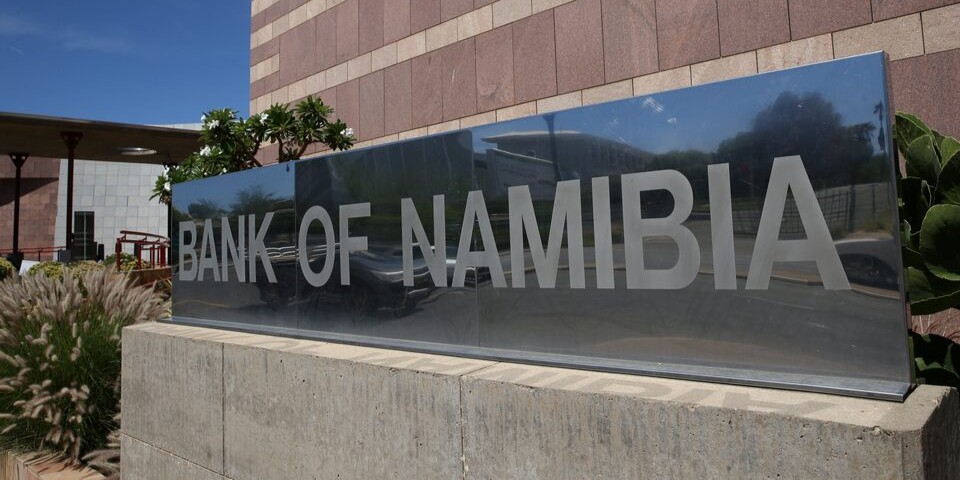
The Namibian payment system recorded a significant performance in 2025, with a total transaction volume reaching 996 billion Namibian dollars (approximately 58.78 billion USD), according to the annual report of the Bank of Namibia. Supported by nearly 67 million transactions, this growth reflects an 11% increase in volume and a 10% increase in value year-on-year, illustrating the acceleration of financial services digitalization in the country.
This dynamic is mainly based on the rise of intra-bank transactions, now close to the symbolic trillion Namibian dollar threshold. Increasingly, users prefer operations within the same bank, driven by the development of mobile applications and integrated payment solutions, promoting speed, fluidity, and transaction cost reduction.
In parallel, interbank transfers continue to grow, albeit more moderately. In 2025, approximately 30 million transactions were processed through the Namclear clearing house, compared to 26 million in 2024, for a value increase from 404 to 447 billion Namibian dollars. This evolution highlights a payment system in full expansion, but also under pressure from the intensification of flows.
On the technological front, the Bank of Namibia has reached a milestone with the migration of its interbank settlement system (NISS) to the international standard ISO 20022. This transition enhances transaction automation, improves interoperability with regional and international systems, and reduces operational risks.
However, this growth is accompanied by a resurgence of cybersecurity risks. In 2025, remote card fraud reached 19.9 million Namibian dollars, while electronic funds transfer (EFT) fraud surged to 53 million, driven by sophisticated phishing and vishing techniques. Faced with this threat, the central bank is intensifying its awareness campaigns and strengthening its cooperation with telecom operators and security services.
In this context, the Bank of Namibia is preparing for the next phase of modernization of the sector with the national payments strategy 2026-2030. As internal financial flows now approach 1 trillion Namibian dollars, the challenge is to consolidate an ecosystem that is both efficient, secure, and inclusive, capable of sustainably supporting the country’s economic transformation.

