



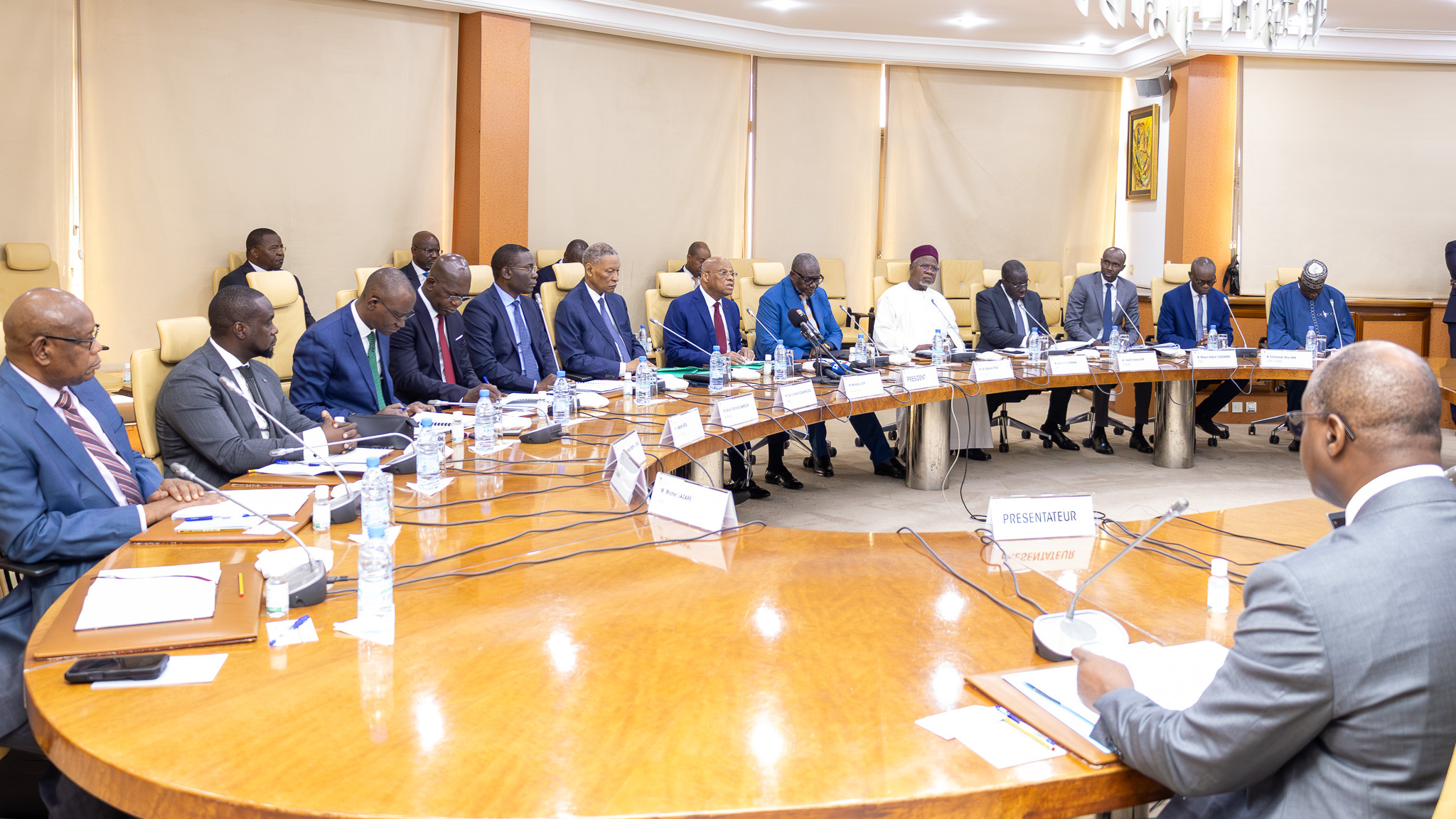
At its ordinary session, the Monetary Policy Committee of the BCEAO decided to maintain its key interest rate at 3%, prioritizing monetary stability despite international geopolitical tensions and soaring energy prices.
This decision comes in a context marked by a nearly 90% increase in oil prices since the outbreak of the conflict in the Middle East, a development that could fuel inflationary pressures in oil-importing economies, including those of the West African Economic and Monetary Union (UEMOA).
However, the Governor of the BCEAO, Jean-Claude Kassi Brou, remained reassuring about price stability prospects within the Union. According to the institution’s projections, inflation is expected to reach 1.6% by the end of the year, a level well in line with the central bank’s objective of maintaining inflation within a range compatible with price stability.
This resilience is explained in part by the strong performance of agricultural production, the gradual improvement of supply chains, and public support measures for prices in several member states. These factors should help cushion the impact of rising energy prices on the cost of living.
On the economic activity front, the BCEAO maintains an optimistic outlook. Union growth is now expected to be around 6% this year, driven by the dynamism of public and private investments, the growth of extractive sectors, and the strength of domestic consumption.
By keeping its rates unchanged, the central bank is sending a signal of confidence in the solid economic fundamentals of the UEMOA. This choice also reflects its intention not to hinder economic financing at a time when the region is seeking to consolidate its growth momentum while keeping inflation under control.

