



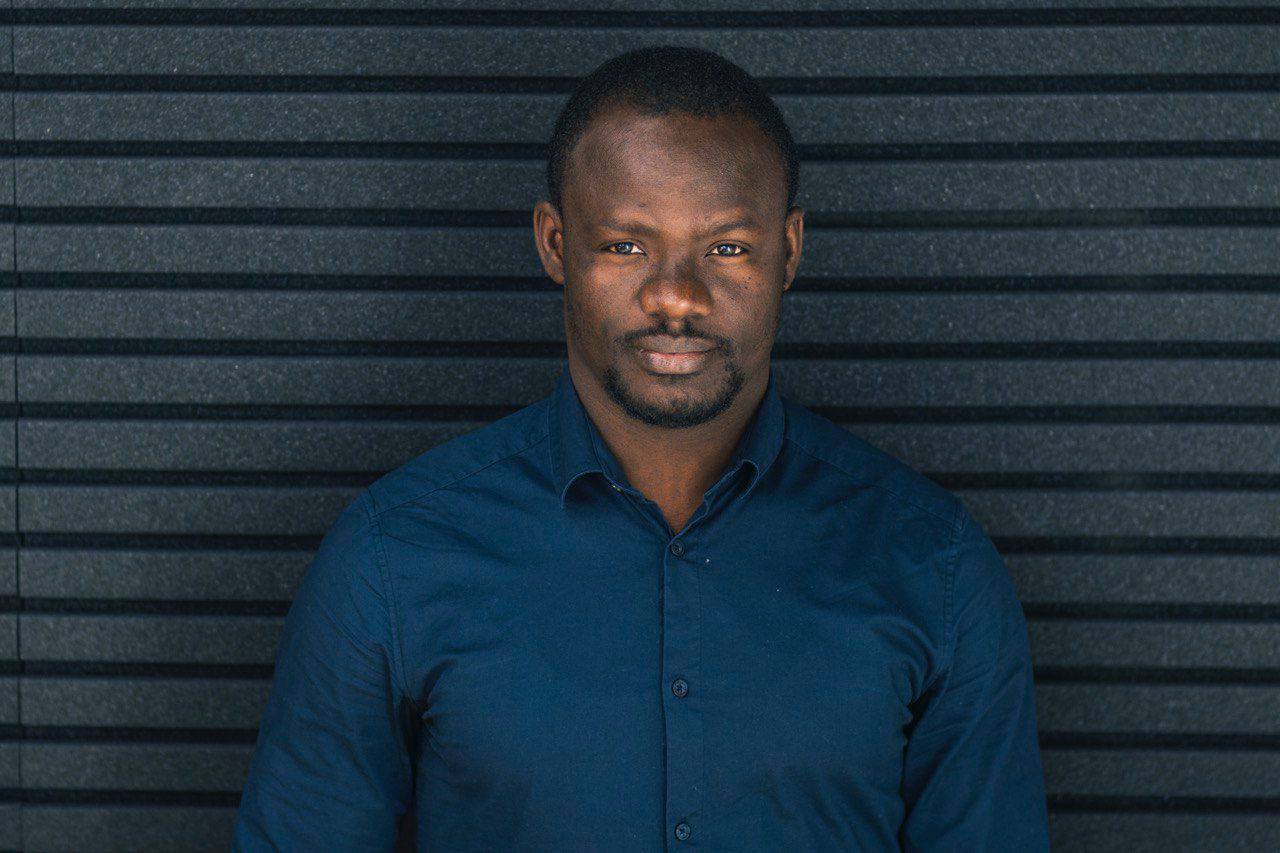
Kadotien Alassane Soro, Country Head of Yango Ivory Coast and Regional Head for Francophone Africa, spoke with Financial Afrik on the sidelines of the Africa CEO Forum 2026 held last May. From the evolution of Yango beyond mobility to the rise of Yango Tech, including artificial intelligence, logistics, and digital regulation issues, he decrypts the transformations reshaping the African digital economy. Mr. Soro believes that Francophone Africa currently has the necessary conditions to become one of the main drivers of technological innovation on the continent, provided that market integration and regulatory framework harmonization are accelerated.
Yango first made a name for itself in Africa through its mobility services. Today, the group is significantly expanding its positioning with logistics, delivery, fintech, and now B2B technological solutions. How would you define Yango’s vision in Francophone Africa today?
First and foremost, it is important to remember that Yango is, above all, a technology company. Our mission is to develop innovative solutions that meet the concrete needs of the population.
Yango started its activities in Ivory Coast in 2018 through mobility services. Today, we have significantly expanded our scope with an ecosystem covering mobility, logistics, meal delivery, e-commerce, and other digital services.
Our approach is to identify the specific needs of the markets we operate in and deploy the most suitable technological solutions. Mobility is often our starting point, but our ambition goes far beyond that.
Francophone Africa is a particularly attractive region for us. It combines several favorable factors: sustained demographic growth, rapid urbanization, increasing adoption of digital technologies, and a relatively stable economic environment.
In West Africa, for example, the UEMOA space offers a stable monetary framework that reassures investors. Similar dynamics are found in Central Africa.
All these factors create an environment conducive to the development of digital services, explaining the strategic interest we have in this region.
You oversee both Ivory Coast and several Francophone markets. What are the main growth drivers for Yango in Africa today, and how do Francophone markets present specificities in terms of digital adoption and innovation?
Today, the main growth driver for Yango in Francophone Africa remains mobility.
The potential is still considerable. We still see many development opportunities, whether it is car transportation, micromobility with motorcycles or bicycles, or electromobility, which is beginning to emerge in several markets.
We mainly operate in large cities and capitals, but a significant portion of the needs is still insufficiently covered.
The second growth driver is logistics. The needs are significant, both in the B2B segment and in last-mile logistics. Companies are looking for increasingly efficient solutions to transport their products and optimize their operations.
Our model is based on collaboration with local economic operators. We provide them with the necessary technological tools and platforms so that they can develop their activities and improve the quality of services offered to users.
This combination of technological innovation and local partnerships is now one of the main growth drivers for Yango on the continent.
Yango is now accelerating on Yango Tech, with solutions for businesses. How can artificial intelligence help African companies increase productivity, distribution, or customer relations today?
Artificial intelligence now covers many concrete applications.
In our mobility services, for example, it already allows us to optimize routes by determining the most efficient routes between a starting point and a destination. This optimization improves the user experience while reducing travel times.
But the uses go far beyond that. Artificial intelligence can be used in customer relations through conversational assistants, in the management of urban infrastructure, in education, in traffic management, or in the planning of transport networks.
For companies, it is a powerful decision-making tool. It allows anticipating demand, optimizing distribution, managing stocks better, or identifying the best locations to develop new services.
At Yango, these technologies are already integrated into many products. Thanks to our intelligent optimization systems, we have enabled our users to save more than a million minutes of travel over the past year.
The challenge now is to put this innovation capacity at the service of African companies and institutions to accelerate their digital transformation.
In the next five years, what ambition do you have for Yango in Francophone Africa: to remain a service platform or to become a structuring actor in the digital transformation of African economies?
Our ambition goes far beyond being just a service platform.
We believe that technology companies have a role to play in the development of the continent’s digital infrastructure. This concerns both technical infrastructure and regulatory frameworks that promote innovation and investment.
In the medium term, we hope to see a more harmonized regulatory environment for technology companies emerge in Francophone Africa.
Today, each market has its own rules, its own regulatory authorities, and its own administrative procedures. This fragmentation complicates investments and sometimes slows down the deployment of innovations on a regional scale.
Better harmonization would create a more integrated, attractive, and competitive digital market.
Francophone Africa already has the necessary fundamentals: a young population, strong growth potential, and a steadily increasing digital adoption.
If we manage to build a favorable regulatory framework, in partnership with public authorities and private actors, we can significantly accelerate the digital transformation of our economies.
This is the vision we carry for the coming years.

