



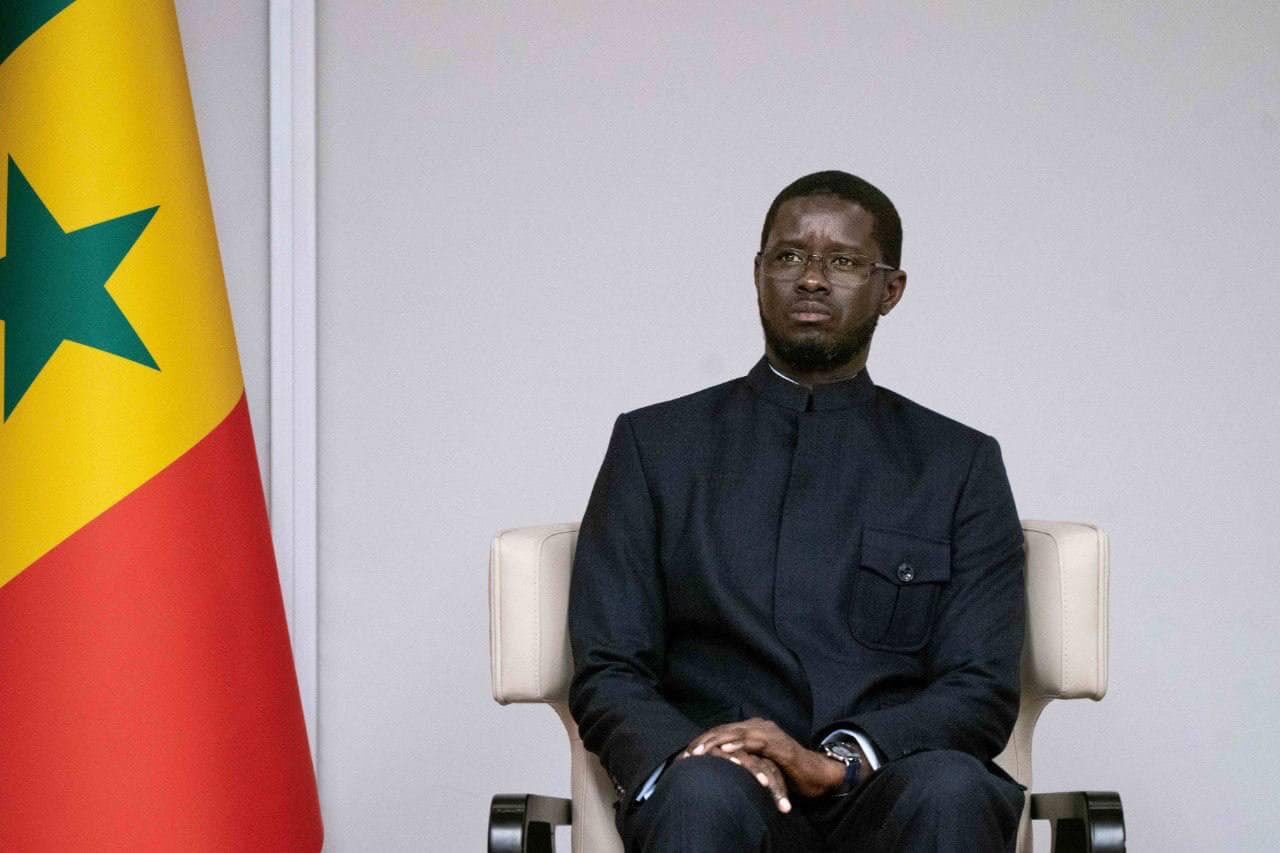
The formation of the new Senegalese government led by Ahmadou Al Aminou Lô opens a new political and economic sequence for Senegal. Composed of 30 ministers, this government team marks a phase of strategic reorganization of the executive power, in a context of high social expectations, regional geopolitical shifts, and economic repositioning of the country.
One of the most closely watched decisions is the reappointment of Cheikh Diba, former Minister of Finance and Budget in the first government led by Ousmane Sonko. Now heading the Ministry of Economy, Finance, and Planning, Cheikh Diba inherits an expanded portfolio considered central to Senegal’s economic transformation strategy.
This continuity is seen by several observers as a signal of stability to technical and financial partners, international investors, and markets. In a global environment marked by inflationary pressures, development financing challenges, and economic sovereignty issues, Dakar seems to prioritize an approach based on budget credibility, reform mastery, and macroeconomic balance consolidation.
The retention of Cheikh Diba in a strategic position also comes at a time when Senegal is accelerating its ambitions in the sectors of gas, oil, infrastructure, digital, and industrialization. His technocratic profile and financial expertise appear as assets to enhance the confidence of donors, international financial institutions, and economic operators.
However, this government reshuffle comes in a particular political climate. PASTEF-Les Patriotes has announced that they will not participate in the new government, despite discussions with President Bassirou Diomaye Faye. The party led by Ousmane Sonko cites disagreements on the majority’s role in the executive architecture.
Despite these tensions, the new government team will need to quickly address expectations related to employment, the cost of living, public governance, and economic attractiveness. For development and international cooperation actors, Senegal remains a strategic partner in West Africa, capable of combining institutional stability, energy potential, and structural transformation ambition.
In this new configuration, the retention of Cheikh Diba appears as one of the main markers of economic continuity and institutional trust of the new Senegalese government.
List of government members:
1. Mr. Yankoba Diémé, Minister of the Armed Forces.
2. Mr. Cheikh Diba, Minister of Economy, Finance, and Planning.
3. Mr. Mohamedou Makhtar Cissé, Minister of the Interior and Public Security.
4. Mr. Cheikh Niang, Minister of African Integration, Foreign Affairs, and Senegalese Abroad.
5. Mr. Moussa Sarr, Minister of Justice, Keeper of the Seals.
6. Mrs. Marie Angélique Mame Selbé Diouf, Minister of Family, Social Action, and Solidarities.
7. Mr. Boubacar Camara, Minister of Higher Education, Research, and Innovation.
8. Mr. El Hadj Abdourahmane Diouf, Minister of Energy and Oil.
9. Mr. Serigne Guèye Diop, Minister of Industry and Commerce.
10. Mr. Cheikh Tidiane Dièye, Minister of Hydraulics and Sanitation.
11. Mr. Moustapha Mamba Guirassy, Minister of National Education.
12. Mr. Ibrahima Sy, Minister of Health and Public Hygiene.
13. Mr. Moustapha Balla Fofana, Minister of Urban Planning, Territorial Communities, and Territorial Development.
14. Mr. Déthié Fall, Minister of Infrastructure.
15. Mr. Bakary Sambe, Minister of Communication, Relations with Institutions, Government Spokesperson.
16. Mr. Alioune Dione, Minister of Microfinance and Social and Solidarity Economy.
17. Mr. Cheikh Oumar Ba, Minister of Agriculture, Food Sovereignty, and Livestock.
18. Mr. Samba Diouf, Minister of Telecommunications and Digital.
19. Mr. Mamadou Lamine Dianté, Minister of Public Service, Labor, and Public Service Reform.
20. Mrs. Diéry Clotilde Coly, Minister of Youth and Sports.
21. Mr. Alpha Thiam, Minister of Culture, Crafts, and Tourism.
22. Mr. Idrissa Sam, Minister of Employment and Vocational and Technical Training.
23. Mr. Cheikh Oumar Seck, Minister of Mines and Geology.
24. Mr. Aliou Gory Diouf, Minister of Environment and Ecological Transition.
25. Mr. Abdoul Ahad Ndiaye, Minister of Land and Air Transport.
26. Mrs. Amy Mara, Minister of Fisheries and Maritime Economy.
27. Mr. Bassirou Sarr, Minister to the Minister of Economy, Finance, and Planning, in charge of the Budget.
28. Mr. Alain Nar Diop, Minister to the Minister of Economy, Finance, and Planning, in charge of Economy, Planning, and Cooperation.
29. Mr. Ousmane Diagne, Minister to the Minister of Agriculture, Food Sovereignty, and Livestock, in charge of Livestock.
30. Mrs. Mame Coumba Diop, Minister to the Minister of Culture, Crafts, and Tourism, in charge of Culture, Creative Industries, and Historical Heritage.

