



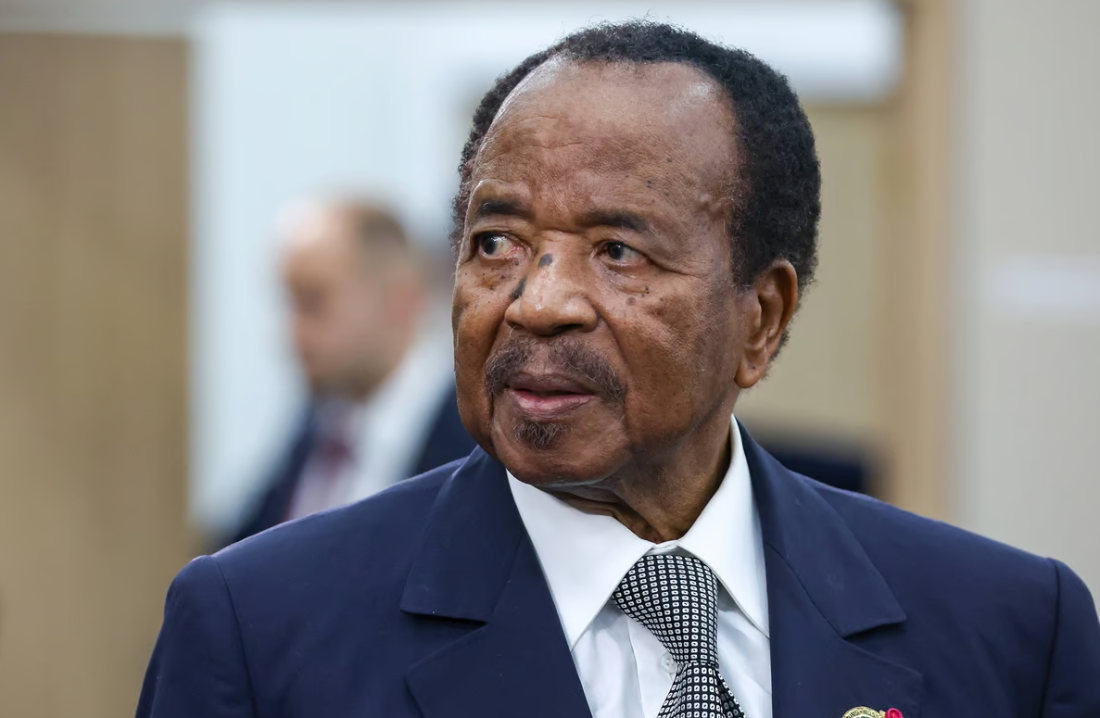
President Paul Biya promulgated a major constitutional revision on April 14, 2026, introducing the position of Vice President of the Republic into the executive architecture of Cameroon. The introduction of the position of Vice President of the Republic in Cameroon represents a major institutional shift whose implications go beyond the strictly political sphere. In an African environment marked by often sensitive transitions, this reform could positively influence the perception of country risk and, by extension, economic attractiveness. It also signals predictability for investors.
For international investors, institutional stability remains a central determinant of capital allocation decisions. “The clarity of succession mechanisms reduces political uncertainty, which is one of the main factors of investment flow volatility in Africa,” analyzes Marc Ombe, a Cameroonian economist specializing in sovereign risk. “By institutionalizing the vice presidency, Cameroon sends a signal of state continuity, which could lower the risk premium perceived by markets,” he continues.
At the International Monetary Fund (IMF), analysts argue that “countries with predictable political institutions better withstand macroeconomic shocks and attract more sustainable investments.”
The actual impact of the vice presidency will depend on its effective role. A function with clear responsibilities (coordination of economic reforms, supervision of sectoral policies, monitoring of international commitments) could improve the coherence of public action. “It is not the position that creates value, but the ability to accelerate decision-making and reform execution,” emphasizes a former advisor to multilateral institutions.
In a context where the business climate remains improvable, strengthened executive governance could reassure investors about the state’s ability to honor its commitments, particularly in public-private partnerships and structuring projects.
For its part, the World Bank points out that “the quality of institutions is one of the main determinants of the attractiveness of foreign direct investments (FDI) in sub-Saharan Africa.” However, the global financial institution argues that “markets will remain attentive to the profile of the vice president and the reality of their power.” “A purely symbolic vice presidency will have no measurable effect on investor confidence,” warns a country risk analyst based in London.
The vice presidency offers Cameroon a potential lever to strengthen its economic attractiveness by improving the stability and transparency of the executive branch. However, its credibility will depend on the country’s ability to translate institutional reform into tangible results on governance and the business environment.

