



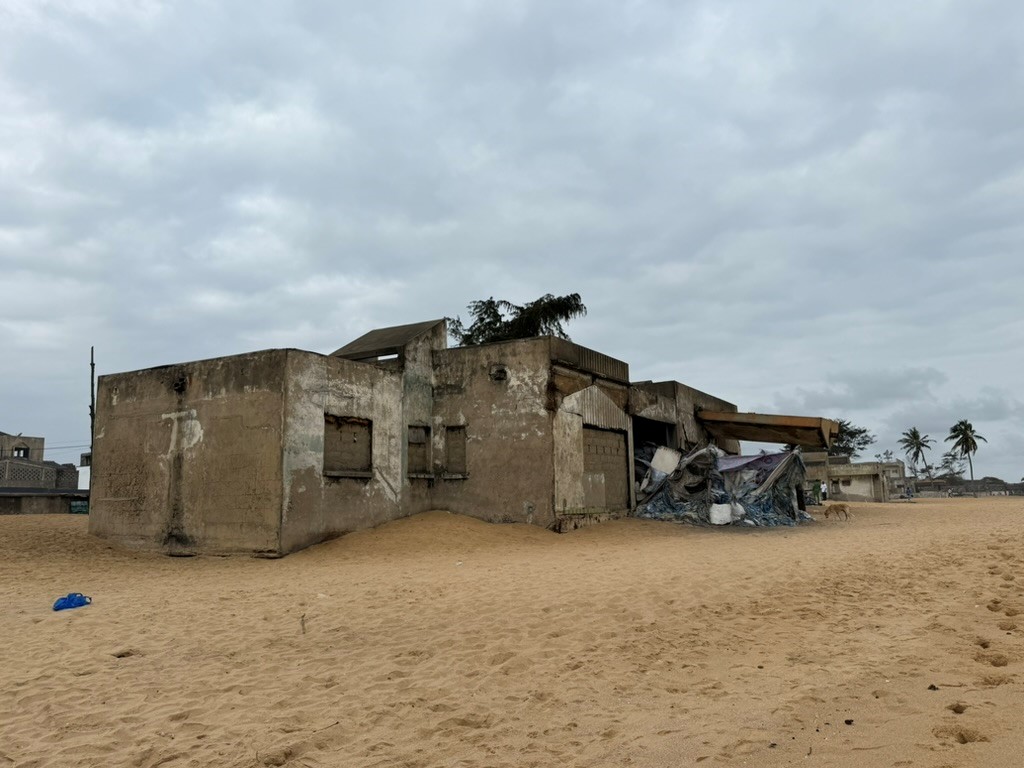
Facing the intensification of climate risks, West Africa is undergoing a strategic shift. The World Bank Group approved a financing of $240 million on March 17 in Washington to launch the first phase of the WACA+ program, dedicated to coastal resilience and the development of the blue economy.
This hybrid financing – combining $207 million from the IDA, support from the PROBLUE fund, and private sector mobilization – illustrates a major evolution in development policies: making climate investment a lever for growth and economic attractiveness.
Through WACA+, the ambition is clear: to protect coastlines while structuring sustainable value chains and job creation.
Coastal areas under increasing pressure
West African coastal areas, which are home to over 360 million people and a significant portion of economic activities, are now on the front line facing erosion, rising sea levels, and ecosystem degradation.
The program aims to significantly reduce the vulnerability of over 530,000 people while securing critical economic infrastructure.
Benin and Mauritania at the forefront
The first phase targets Benin and Mauritania in particular. In Benin, the stabilization of strategic coastal areas aims to protect agricultural land and logistics corridors.
In Mauritania, strengthening the dune system around Nouakchott is a major challenge for urban and economic security.
At the heart of the program, ecological restoration plays a central role. Up to 3,000 hectares of mangroves and wetlands will be rehabilitated, enhancing both natural protection against climate shocks and the productivity of fisheries sectors.
This approach recognizes natural capital as a full-fledged economic asset, opening up concrete prospects in aquaculture and ecotourism.
A clear focus on the private sector and employment
WACA+ also stands out for its focus on the private sector. By facilitating access to financing and supporting local SMEs, the program aims to catalyze investment and stimulate employment.
By 2031, over 31,000 people will benefit from training, while 13,000 better-paid jobs are expected to be created, particularly benefiting youth and women.
For policymakers, investors, and development actors, the message is clear: climate resilience and economic growth are no longer at odds.
By structuring a competitive and sustainable blue economy, West Africa is laying the foundation for a new development model, where ecosystem protection, social inclusion, and value creation advance together.

