



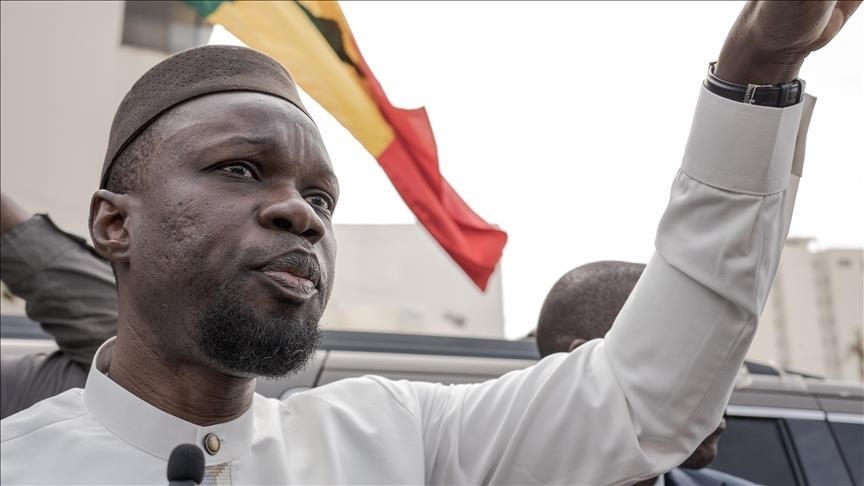
The election of Ousmane Sonko as President of the National Assembly of Senegal marks a major political milestone in the institutional reconfiguration of Senegal. Elected on May 26, 2026 in Dakar with 132 out of 133 votes, the former Prime Minister now heads the second institution of the Republic, just days after being dismissed from his position by President Bassirou Diomaye Faye.
Beyond its national significance, this political sequence is closely watched by international partners, investors, and regional cooperation actors. In a global context marked by economic tensions, energy sovereignty issues, and security challenges in the Sahel, Senegal appears more than ever as a strategic actor for democratic stability in West Africa.
Ousmane Sonko’s accession to the presidency comes as the country enters a new phase of institutional governance, with the appointment of Ahmadou Al Aminou Mohamed Lô as head of government. This redistribution of responsibilities at the top of the state could strengthen coordination between the executive and legislative branches, while consolidating announced reforms around transparency, economic sovereignty, and investment attractiveness.
Despite the boycott by some opposition parties contesting the legality of his reinstatement as a deputy, the election was conducted in accordance with parliamentary procedures. The ability of Senegalese institutions to maintain democratic functioning in a sensitive political climate remains an important signal for technical and financial partners.
For economic circles and international decision-makers, this development offers a new perspective on Senegalese political balances. Senegal, driven by its industrial, gas, digital, and infrastructural ambitions, now seeks to consolidate a governance model capable of combining political stability, institutional reforms, and investor confidence.
The arrival of Ousmane Sonko at the helm of Parliament could also accelerate several strategic initiatives related to economic sovereignty, governance of natural resources, modernization of public administration, and African regional integration.
In a West Africa facing complex political transitions, Senegal is thus trying to preserve its image as a stable democracy, diplomatic hub, and credible economic platform for development actors, international finance, and the global private sector.

