



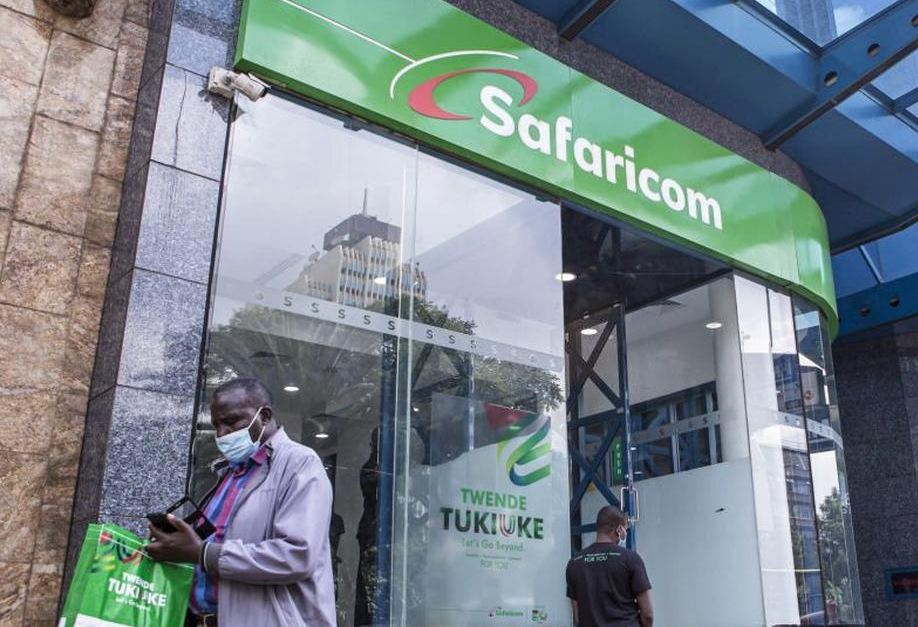
The High Court of Kenya has suspended the sale of 15% of the capital of Safaricom Plc to the Vodacom group, thus blocking a transaction estimated at 244.5 billion Kenyan shillings, approximately 1.6 billion dollars. The court has ordered the maintenance of the status quo until the examination of several constitutional appeals, preventing any implementation of the operation by the Kenyan government at this stage.
The proposed sale involved 6 billion shares offered at 34 Kenyan shillings each. If successful, it would have reduced the state’s stake from 35% to 20%, while increasing Vodacom’s stake to around 55% of the capital.
An operation strategic for public finances
The Kenyan Treasury defends this transaction as a means of mobilizing resources for infrastructure financing, in a context marked by significant budgetary constraints and increasing pressure from public debt service.
For Nairobi, this sale was therefore part of a logic of optimizing public assets to free up financial leeway, as the government seeks to support investment without further exacerbating budget imbalances.
Appeals based on valuation and data sovereignty
However, the petitioners contest the sale for several reasons. They mention a possible undervaluation of Safaricom, insufficient public consultation, and risks to data sovereignty.
These concerns stem from Safaricom’s central role in the Kenyan digital economy, particularly through M-Pesa, a widely used platform for mobile payments, as well as its involvement in public digital infrastructures that have become strategic.
As the country’s leading telecom operator, Safaricom plays a crucial role in digital financial services and the connectivity of the Kenyan economy. The issue thus goes beyond a mere stock market transaction, raising questions of governance, control of strategic assets, and digital security.
At this stage, the High Court has not yet ruled on the merits of the case.

