



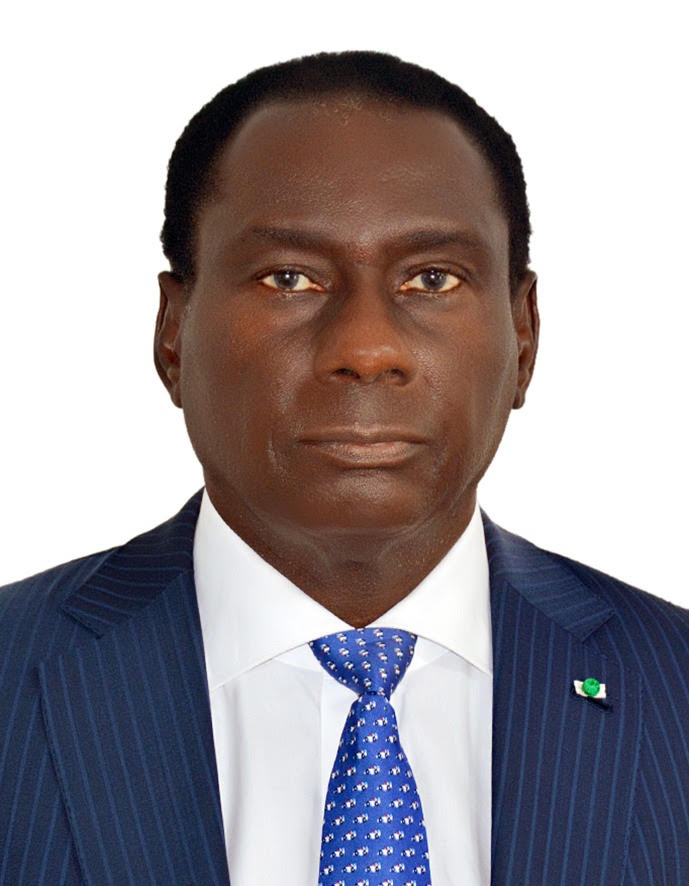
By Dr Cheikh Kanté, former Minister of State, associate professor at universities
Since independence, sub-Saharan Africa has been the focus of over 580 summits, conferences, and international forums dedicated to development. However, the architecture of aid remains fragmented, opaque, and often ineffective. This system has gradually become a trap whose harmful effects are now denounced by a new generation of African intellectuals, economists, and policymakers.
While the latest G7 summit continues the tradition of many international summits addressing Africa’s development, it does not introduce a structural break in aid governance or in concrete instruments capable of sustainably improving the prosperity of African populations. As I explained in my book Le Prix de la Liberté, the African continent has been suffering from a real “intergenerational poverty pathology” for several decades. Each year, poverty is on the rise in sub-Saharan Africa, even as the continent should be reaping the benefits of its demographic dividend. The results are indeed concerning:
* Over 256 million people live in multidimensional poverty;
* Over 600 million people lack access to electricity;
* Over 400 million people lack access to clean water;
* Sub-Saharan Africa remains the most food-insecure region in the world.
Due to rapid population growth insufficiently supported by effective development policies, the continent sees nearly 10 million new multidimensional poor people each year. A strategic analysis of the final communiqué of the G7 in Evian highlights several structural limitations:
- Firstly, no significant new financing was announced. The G7 continues to operate within a logic of Western leadership while using partnership rhetoric. The discourse has changed, but the power asymmetry remains. Priorities are set by G7 countries, while African countries are essentially invited to comply.
- Secondly, the heads of state declaration lacks any binding mechanism. No specific financial amount is announced, no precise implementation schedule is defined, and no rigorous monitoring and evaluation mechanism is provided. It is essentially an intention statement devoid of a real operational framework.
- Thirdly, the presented vision is both very broad and particularly vague. The communiqué addresses growth, infrastructure, debt, health, nutrition, education, and climate resilience simultaneously. This multiplicity of priorities, without clear prioritization, creates a real risk of dilution of efforts and reduces the potential effectiveness of the announced commitments.
Furthermore, the private sector is presented as an essential driver of economic transformation, but no concrete support, guarantee, or financing instrument is proposed to promote its development. Similarly, no specific measures are put forward to promote youth employment, economic empowerment of women, or support for African entrepreneurs.
The communiqué also mentions the need to reform international financial institutions, notably the World Bank and the International Monetary Fund. However, no specific transformation is defined, no major institutional change is proposed. The G7 would benefit from learning from the limitations of the Bretton Woods agreements and the Washington Consensus, whose structural adjustment programs have deeply weakened many African economies.
Another major weakness lies in the absence of the most representative African organizations. The African Union, which carries the vision of “the Africa we want,” does not occupy a central place in this cooperation architecture. Regional organizations such as ECOWAS, ECCAS, and SADC are also absent from the proposed framework. This omission is concerning. A sustainable partnership between Africa and the G7 cannot be solely bilateral; it must be systemic and rely on African regional institutions, which are the most legitimate frameworks to define, coordinate, and implement the continent’s priorities.
Lastly, the approach remains heavily focused on traditional macroeconomic stability principles: budget discipline, debt management, and structural reforms. These orientations, dominant in development policies for several decades, have not led to a lasting transformation of African economies. They leave little room for alternative models based on local realities, endogenous dynamics, and the aspirations of African peoples.
Reforms for Africa cannot continue to be exclusively designed by experts from outside the continent. They must be developed through a co-construction approach, taking into account African historical, cultural, social, and economic realities.
Nevertheless, we must acknowledge the willingness of G7 leaders to contribute to the emergence of a fairer world and a more prosperous Africa. This declaration opens an interesting political window and displays commendable ambitions. However, it remains insufficient operationally.
The 21st century will not be remembered for the number of communiqués issued by the G7. It will rather be remembered for the number of young people, women, and African families who have been able to permanently lift themselves out of poverty and regain hope for a free, sovereign, and prosperous Africa.

