



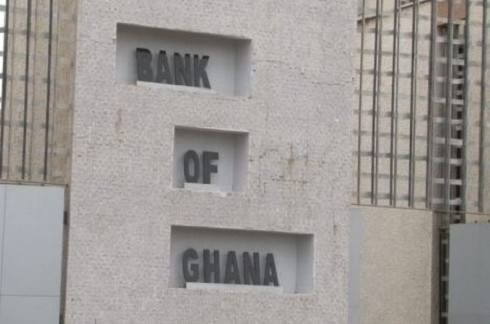
The Bank of Ghana (BoG) has announced a new strategic direction aimed at transforming diaspora remittances into a source of long-term investment capital. During a roundtable in Washington D.C., the governor of the central bank, Dr. Johnson Pandit Asiama, revealed that these financial flows reached nearly $7.8 billion at the end of 2025, up from $4.6 billion in 2024. Now representing around 6% of the GDP, these inflows surpass foreign direct investments (FDI), consolidating their systemic role in the country’s external stability and monetary position.
The issuing institution is currently collaborating with state agencies to structure specific financial products, including bonds for the diaspora and investment vehicles dedicated to small and medium-sized enterprises (SMEs), as well as infrastructure projects. This initiative is accompanied by a review of regulatory frameworks governing cross-border flows and the promotion of investment products denominated in foreign currencies, through supervised financial institutions. The goal is to consider Ghanaians abroad as national investors, capable of providing stable and less volatile financing than traditional sources of foreign capital.
This policy of mobilizing expatriate savings is part of an effort to diversify Ghana’s financing base, following its recent sovereign debt restructuring. Monetary authorities highlight the resilience of remittances, which remain steady even in times of global economic slowdown or internal tensions. By redirecting these flows towards productive sectors such as real estate, government securities, and financial technology, the Bank of Ghana aims to strengthen economic transformation while reducing the country’s dependence on traditional external aid and borrowing.
To support this ambition, the Bank of Ghana is deploying digital financing tools to optimize the speed and transparency of settlements. The strategy includes partnerships with financial technology (fintech) companies to integrate models based on distributed ledger and tokenization, under regulatory oversight. These technical innovations aim to reduce transaction costs and transfer times, ensuring diaspora investors a secure and efficient journey for allocating their resources in Ghanaian financial and physical assets.

