



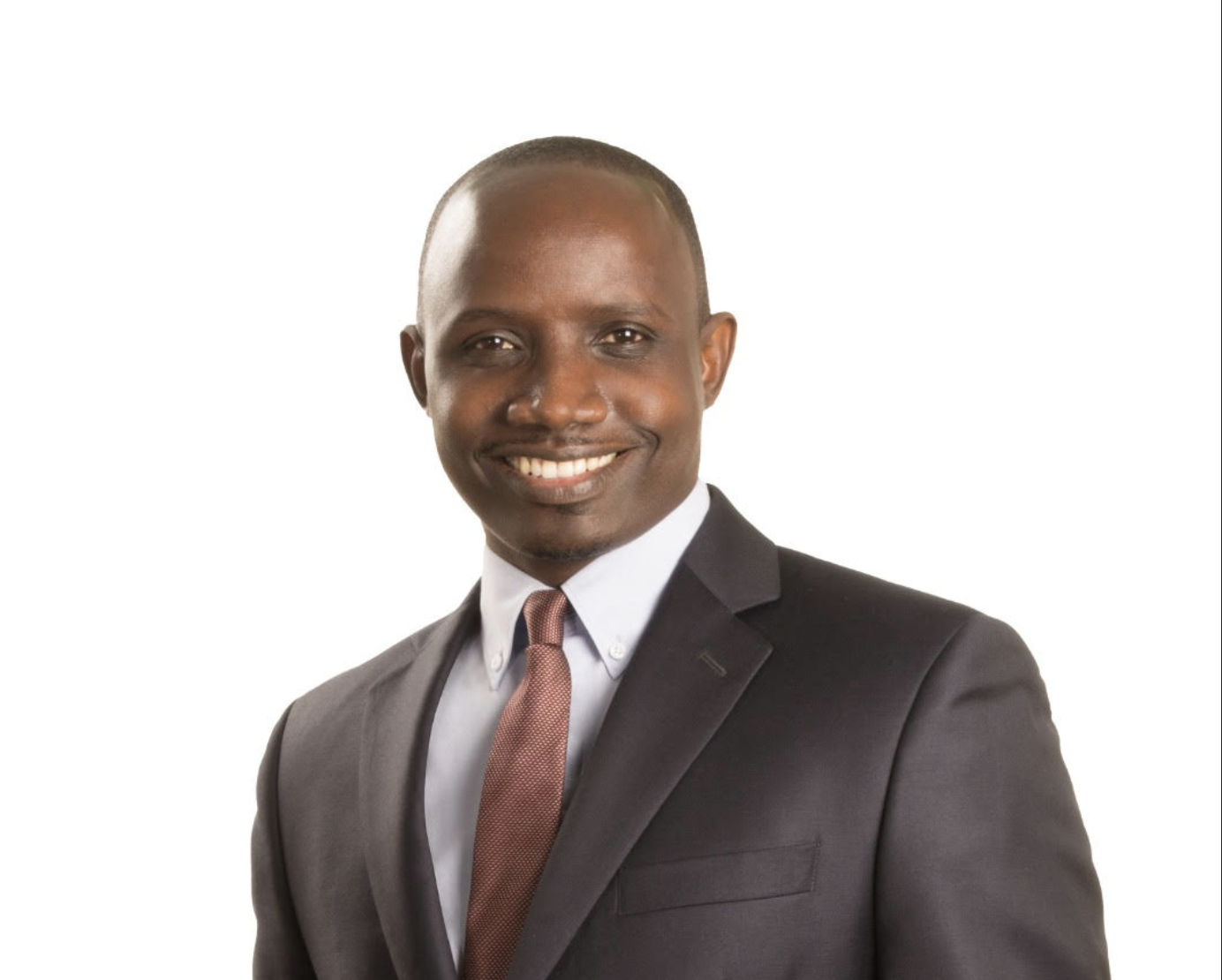
By Echraf M. Abdoul Wahab Ouedrago.
On April 17, 2026, Mauritania announced the candidacy of Mrs. Coumba Bâ for the position of Secretary General of the Francophonie. Due to the obligation of reserve, I declined several requests from former colleagues of the OIF, media, and friends seeking my opinion on this candidacy of a compatriot. As the days passed, I wished, however, to provide this small personal testimony, the result of our past collaborative opportunities, hoping not to encroach on the work of her campaign team.
Although from the same country and almost the same region (Boghé and Kaédi being sister cities except for basketball), it was in New York in 2015 on the occasion of the celebration of the twentieth anniversary of the World Youth Action Program that I met Mrs. Coumba Bâ for the first time. As Minister of Youth, she chaired the Mauritanian delegation that came to the United Nations to attend the work dedicated to the assessment of the WYAP and other activities on the sidelines of the celebrations.
As an Expert mandated jointly by the OIF and the Youth Secretariat of Quebec, I was responsible for assessing the impacts of the WYAP in Francophone countries. I was therefore responsible for presenting the results to the Francophone ministers and helping them prepare for the discussions planned at the United Nations the next day. I had the opportunity to exchange with Dr. Coumba Bâ in a series of feedback and preparatory meetings. She was present, alongside her colleagues from the ministries of youth, education, and employment and training from all corners of the Francophonie.
Madame Coumba Bâ’s leadership and natural posture in her interventions that facilitated the emergence of consensus among the delegations present at the meetings greatly impressed me. Indeed, under the pressure to have a common position on youth and education issues, discussions could sometimes be heated and even “virile,” given the significant number of “young” youth ministers present. Mrs. Coumba Bâ’s long experience, as well as her ability to navigate between technical and political aspects, reflected an unbroken journey, that of a minister who had the time to learn the ropes, to know the administration, the senior administration before joining the political sphere.
I then met Mrs. Coumba Bâ at the Francophonie Summit in Madagascar in 2016 when I came to present the update of the surveys on the situation of youth in Francophone countries (Ouedrago, Marcoux, and Harton 2014, 2016, 2018) that we had been mandated to carry out for the OIF at ODSEF[1]. This series of surveys was intended as a follow-up to the Francophone youth strategy we had worked on a few years earlier (Dakar summit 2014). Dr. Coumba Bâ led the Mauritanian delegation attending the work and preparatory meetings for the Heads of State summit. For several days, I was able to observe this Minister and her team in action, bringing together seemingly irreconcilable positions. I also witnessed the parade of delegations from African countries seeking her mediation on various issues and the great respect she seemed to enjoy among her peers from other countries.
Some time after these international meetings, I was asked to contribute my expertise by the teams of Mrs. Coumba Bâ, whom I had also met in New York and Madagascar. The first contribution was for the development of the 2016-2020 Youth Strategy of the Ministry of Youth, and the second, on the reform and capacity-building project of the Ministry of Youth and its youth-focused institutions such as the Higher Institute of Youth and Sports in Nouakchott. These projects gave me the opportunity to observe Minister Mrs. Bâ at work at the governmental level. Her ability to listen to the opinions of experts and let technicians do their job reassured me greatly. Moreover, in a Mauritanian political-institutional context where ministers had little room for maneuver and even feared taking the initiative, I could see how willing Mrs. Coumba Bâ was to take initiatives and even risks to advance the causes of youth that she was tasked with.
During this brief period of collaboration, I saw her fight tooth and nail to undertake important institutional reforms that she believed would benefit youth. At the time, she also fought almost against her government to prevent the Ministry of Youth from being stripped of all its attributes in the face of an institution as rising but non-existent at the time as the High Youth Council. In fact, Mrs. Coumba Bâ went so far as to put her participation in the government at stake to protect the Ministry of Youth. And this courage to defend her ideas says more than anything about her character and leadership.
Based on these collaborations as an Expert and then as a youth public policy specialist at the OIF at the time, I can say that Mrs. Coumba Bâ’s candidacy for the position of Secretary General of the Francophonie is a significant one.
The first argument is her technical legitimacy due to her knowledge and experience of the issue that should be at the heart of the Francophonie, namely the disastrous situation of Francophone youth, exposed to unemployment, precariousness, and migration risks. As Minister of Youth, Minister of Labor and Employment, she was at the forefront of this issue. Even though the Secretary-General holds a political and strategic position, it is time for the Francophonie to have someone who, operationally and technically, masters this complex issue, if only to make it a real priority and help Member States address the many challenges facing young people, particularly in Africa.
The second argument is her knowledge of the mechanisms of Member States and their capitals, whose functioning, culture, and codes she knows. One of Mrs. Coumba Bâ’s great assets is her in-depth knowledge of African countries, the functioning of palaces and centers of power. She had the privilege of accompanying three heads of state from her country in the long term, certainly in part due to her ability to open doors for them in African capitals where she is highly respected. The Francophonie is essentially an organization of states. Heads of State and Government need someone who knows them and respects their prerogatives. Mrs. Coumba Bâ perfectly meets this need for predictability and reliability in diplomacy.
The third argument is her knowledge of the Francophonie and the OIF. The Francophonie has certainly always chosen talented women and men, but by often co-opting personalities who did not know the institution, the learning period has often been long and full of tensions and hiccups that have affected the organization’s effectiveness. Mrs. Coumba Bâ knows the institution well, its branches, its operators, having led several Mauritanian delegations and often participated in meetings of the various bodies. She has no learning curve to follow, no preconceived ideas about the institution, its operators, or the men and women who keep it running.
The fourth and final argument is the bridge she represents between Africa and the Arab world through Mauritania, the country she represents. Geographically, however, her in-depth knowledge of the Sahel countries with which it is necessary to reestablish connections represents the greatest hope for me. Africa needs to reconcile, and I see no one better than Mrs. Coumba Bâ today to restore dialogue with her brother countries who are no longer at the table.
Obviously, all of this does not detract from the prestige of other candidacies, including that of the current Secretary-General who has undertaken gigantic reform projects and deserves congratulations. The Democratic Republic of the Congo has also presented a brilliant profile in the person of Mrs. Juliana Amato Lumumba, who has proven herself in various ministerial positions. The same goes for the candidacy presented by Romania in the person of its former Prime Minister Dacian Ciolosa, also a candidate of very high caliber.
But due to everything that is at stake in the Sahel and West Africa in the coming years, the technical legitimacy and profile of Mrs. Coumba Bâ, I believe she could bring efficiency and a very operational character to the OIF by quickly placing certain issues at the heart of the organization’s priorities.
[1] Observatory of Demography and Statistics of the Francophone Space at Laval University

