



By Ismaël Sy, Casablanca.
Under the theme “How to strengthen the attractiveness of African hydrocarbons?”, the 4th edition of Oil Days aims to open a strategic debate on the necessary conditions to reposition Africa as a competitive energy destination in a rapidly changing global context. Between regulatory reforms, technological innovation, natural gas valorization, local content, and energy transition, this new edition brings together experts, investors, and decision-makers around the levers capable of transforming African resources into engines of growth, sovereignty, and industrialization of the continent.
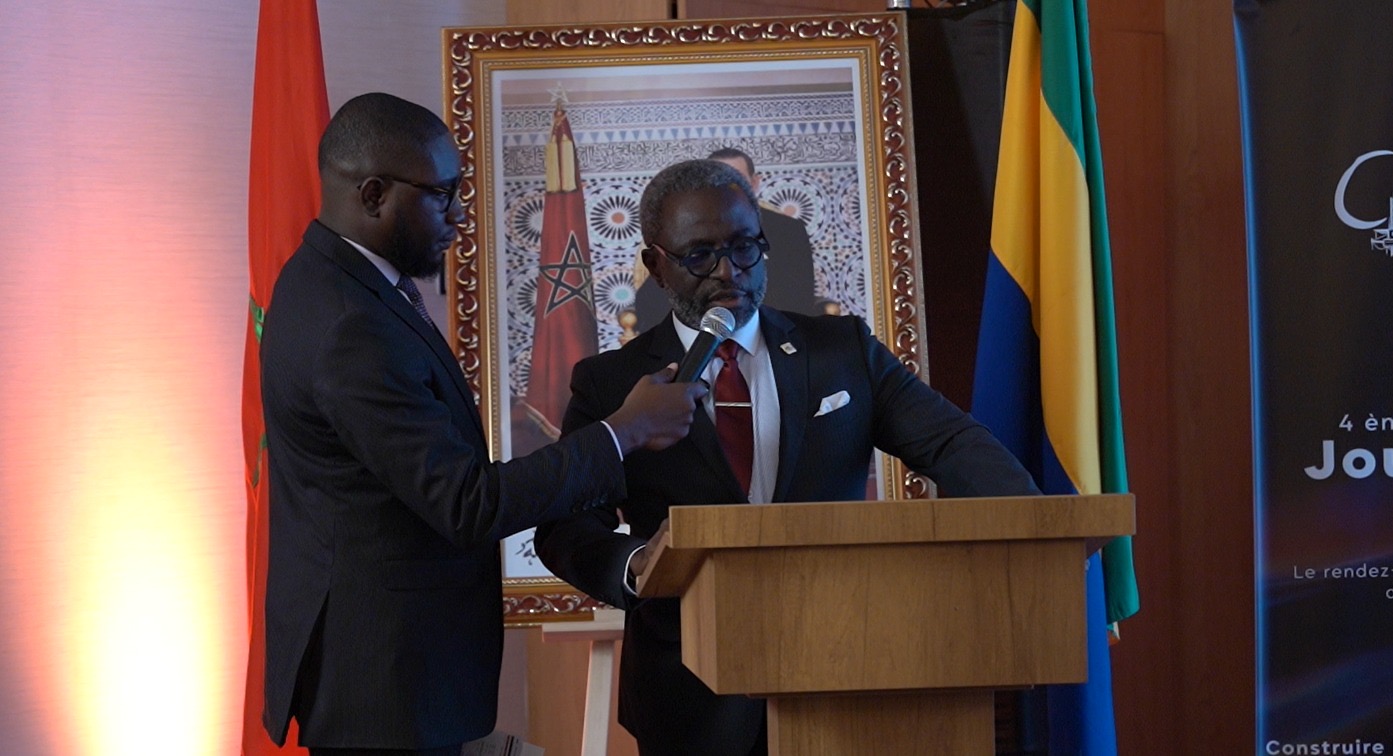
This morning of May 20, 2026, in the dim light of the Royal Hideaway in Casablanca, a question hovered above the badges and welcome coffees: can Africa become an oil investment destination as desirable as its vast reserves? The opening of the 4th edition of Oil Days 2026 did not provide a definitive answer. But it at least had the merit of diagnosing the situation without sugarcoating it.
In front of an audience of institutions, regulators, financiers, and technicians from a dozen African countries, Gacyen Mouey, the managing partner of the organizing firm 3M-Partners & Conseils, launched the guiding thread of this new edition: “how to strengthen the attractiveness of African hydrocarbons?“. “Building attractiveness is an essential element for the development of hydrocarbons. If investors do not come to Africa, they cannot develop it.
The formula, repeated in plenary session, summarizes the ambition of these four days (May 20-23). Far from the big commercial events where blocks are displayed without being shown, this Casablanca edition aims to examine the structural weaknesses that prevent the continent from turning its subsoil into negotiated wealth. The opening figure, mentioned at the beginning, sounds like a confession: while global exploration-production expenses are expected to reach $504 billion in 2026, Africa only captures about $41 billion, barely 8% of the total. Yet, the continent holds nearly 10% of the world’s oil reserves. The gap between what we have and what we attract has never been so glaring.
The end of geological innocence
The inexorable conclusion is that the resource is no longer enough. International investors, burned by decades of unilateral tax changes, endless arbitration disputes, and locked geological data, now demand predictability before signing a check. It is precisely to address this unease that Oil Days structured its program around six axes: reforms and governance, data and digitalization, fiscal attractiveness, local content, gas valorization, and energy transition. These are areas where Africa is lagging behind, but also where isolated best practices exist. The stated goal is to break the isolation of national administrations, often left to themselves in dealing with companies. “Oil Days have been designed as an African space for technical and institutional dialogue, where experiences collide and solutions emerge from on-the-ground realities,” repeated Gacyen MOUELY on the sidelines of the early sessions.
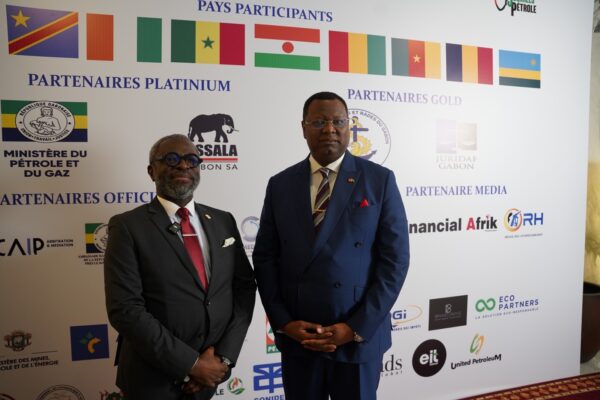
When Africa redefines its energy strategy between attractiveness, sovereignty, and transition
The 4th edition of Oil Days positions itself as a strategic platform for reflection on the future of the hydrocarbon sector in Africa. This new edition placed the question of reforms and governance at the heart of discussions, considered a central lever to strengthen the attractiveness of African basins. In an increasingly competitive international environment, African states seek to modernize their regulatory frameworks, improve transparency, and establish legal stability to reassure investors. The goal is clear: to create more credible, efficient, and well-adapted energy ecosystems to the new realities of the global market.
The discussions also give significant importance to data, digitalization, and innovation in resource valorization. At a time when technologies are profoundly transforming the oil industry, mastering geoscientific, seismic, and subsurface data has become a major strategic challenge. The integration of digital solutions, artificial intelligence, and advanced analysis tools now allows for optimizing exploration, reducing operational risks, and improving the profitability of African energy projects.
Another major focus is on fiscal attractiveness and the economic profitability of oil and gas projects. Participants will analyze fiscal models capable of maintaining a balance between international competitiveness and the preservation of national interests. In a market where capital quickly moves to the most attractive jurisdictions, the issue of sharing oil rent becomes a strategic topic for African states eager to maximize the economic benefits of their natural resources.
The question of local content and the development of African expertise also occupy a central place in this edition. Beyond investments, Oil Days aim to highlight the need to transform the oil industry into a true engine of industrial and human development. Talent development, skills enhancement of African engineers, technology transfer, and the emergence of local companies are among the priorities to build a sustainable energy sovereignty on the continent.
The opportunities related to natural gas valorization will also be extensively explored. As several African countries discover or develop significant gas reserves, gas is increasingly seen as a strategic pillar to support industrialization, produce electricity, enhance energy security, and reduce dependence on energy imports. The continent is now seeking to better structure its gas value chains to transform this resource into an engine of economic growth.
Finally, the theme of hydrocarbons facing the energy transition will close the exchanges on the third day around a question that has become central: what role for oil and gas in the Africa of tomorrow? While international pressures for decarbonization intensify, several experts believe that hydrocarbons – especially natural gas – will remain essential to support African economic development and promote the growth of renewable energies. Oil Days aim to promote a pragmatic approach to energy transition, adapted to the economic and social realities of the continent.
Morocco, a platform country
Why Casablanca, when the kingdom is not a major oil producer? The choice, far from being anecdotal, has become one of the main threads of this edition. In a statement, the organizers assume this logic: “Morocco offers an example of attractiveness built on stability, quality of institutions, strength of the legal framework, and performance of infrastructure.” In other words, this oil-less country has succeeded where some producing states have failed: building a trusted environment. And it is this trust that is most sorely lacking in the African hydrocarbon sector.
For three days, delegations from oil-rich countries – Gabon, Congo, Nigeria, Angola, Chad, Equatorial Guinea – will work on ways to become… a little more like Morocco.

