



“Africa must build skills before building hospitals”
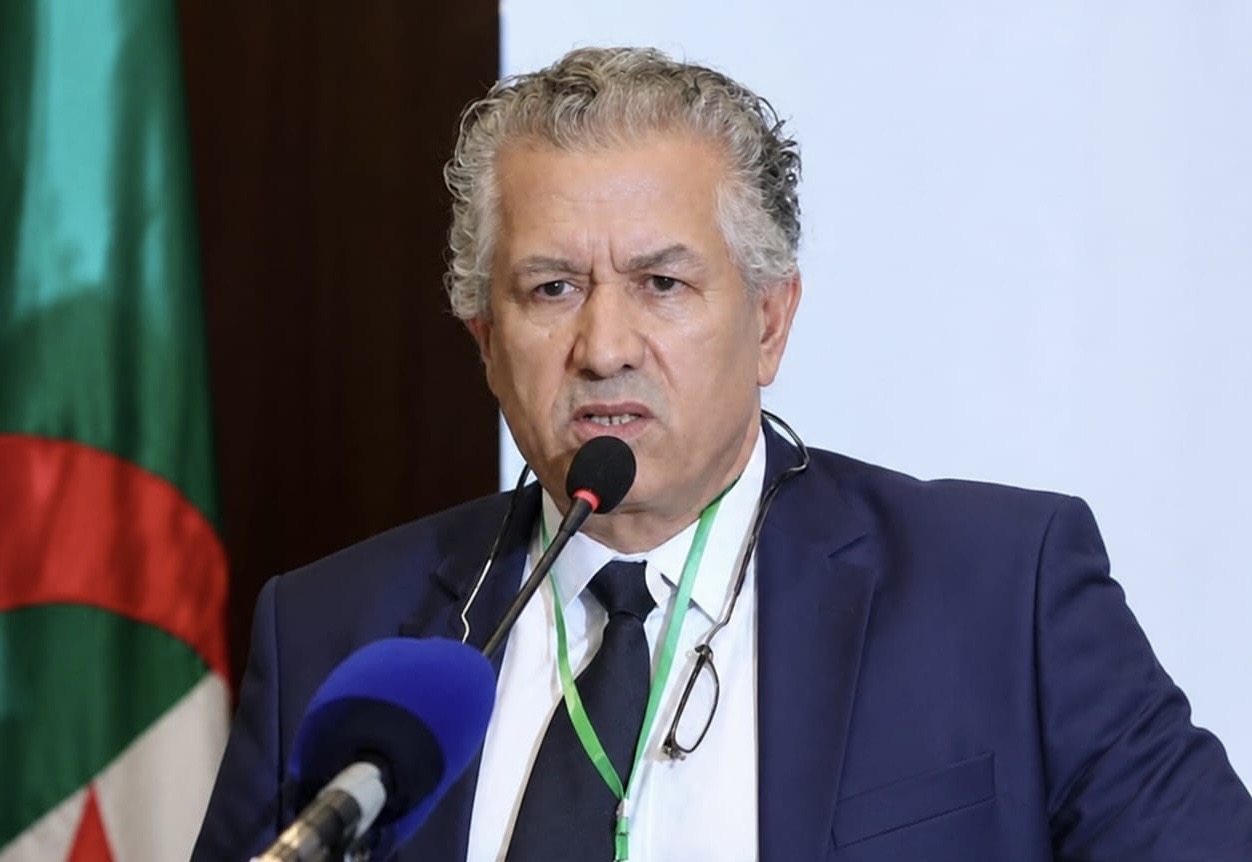
A radiologist by training and an entrepreneur, Dr. Saïd Mahmoudi is the founder and CEO of Groupe Chahids Mahmoudi, which has become one of the leading Algerian references in advanced medical imaging and specialized care over the past decade. During the Regional Health Forum held in Nouakchott, Financial Afrik met with him. He discusses the development of his group, his continental ambition, his project in Mauritania, and his belief that the future of African health relies as much on women and men as it does on technology.
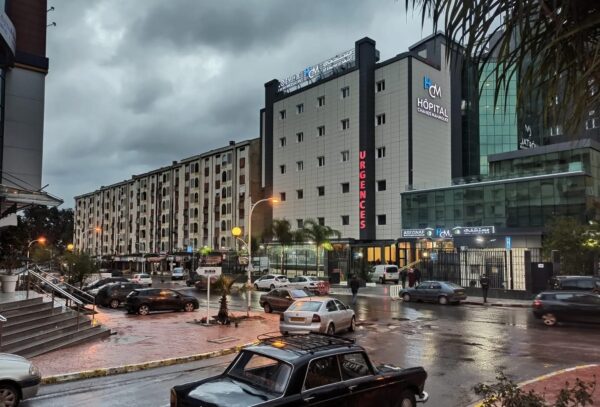
Financial Afrik: The Chahids Mahmoudi Hospital is now considered a reference in the Algerian hospital landscape. Let’s go back to the origins of this adventure: what was your initial vision? What were the main challenges faced and the decisive steps that allowed your establishment to reach this level of excellence?
Dr. Saïd Mahmoudi: When we launched this project, our ambition was not simply to build a new hospital. We wanted to demonstrate that in Algeria, it was possible to create an establishment that meets the highest international standards, where the patient is truly at the heart of all decisions.
Our vision was based on three pillars: medical excellence, technological innovation, and human excellence. The beginnings were naturally marked by numerous challenges: assembling highly qualified teams, investing in state-of-the-art equipment, establishing a true culture of quality, and convincing that a model of excellence could be sustainable in our environment.
Early on, we understood that it was necessary to invest first in women and men before investing in technologies. Equipment is constantly evolving; the skills, values, and commitment of professionals remain the true capital of a healthcare facility.
We were also convinced that the Chahids Mahmoudi Hospital should be part of an African dynamic. In May 2017, we organized an international scientific congress in Tizi Ouzou dedicated to multimodal cancer care, bringing together 39 healthcare professionals from seven African countries. This was a founding step in our opening to the continent.
This approach was subsequently materialized through several institutional partnerships. In 2017, we signed an agreement with the National Health Insurance Fund of Mauritania, paving the way for the care of Mauritanian patients. In 2018, a cooperation agreement was concluded with the Social Security Fund of Guinea. More recently, in 2026, the signing of agreements with the African Union and the World Health Organization confirmed this strategy of continental openness.
Today, if our establishment is recognized, it is above all because we have built a culture of continuous improvement, where each success represents an additional responsibility.
Financial Afrik: In a rapidly changing healthcare sector, how do you define the strategic positioning of your establishment today?
Dr. Saïd Mahmoudi: We define ourselves as a new generation private university hospital, founded on innovation, quality, and patient safety. Our ambition goes beyond the traditional role of a healthcare provider. We want to be an actor in the development of healthcare systems.
Our strategy is based on several axes: highly specialized medicine, multidisciplinarity, digitalization of patient pathways, ongoing investment in medical technologies, clinical research, and continuous professional training.
Innovation is not just about acquiring sophisticated equipment. It also concerns our organization, governance, and how we support patients.
Our goal is for everyone to benefit from the best international practices while receiving deeply human care.
Financial Afrik: International openness is now a major challenge. What is your vision?
Dr. Saïd Mahmoudi: Health is now global. Knowledge, technologies, and skills circulate beyond borders. Our ambition is to contribute to the construction of an African network of excellence capable of meeting the continent’s needs.
We want to develop partnerships with major international hospitals, universities, research organizations, international institutions, and medical industry players.
The goal is clear: to enable African patients to access top-level medicine without having to leave their continent.
Financial Afrik: Why did you choose Mauritania to carry out this ambition?
Dr. Saïd Mahmoudi: Mauritania is a natural partner for us. It is a country undergoing transformation, driven by a strong political will to strengthen its healthcare system, with significant needs in specialized medicine.
Our project goes far beyond the construction of a hospital. We want to contribute to the emergence of a true healthcare ecosystem including modern infrastructure, centers of excellence, a training institute, research programs, telemedicine platforms, and a network of international cooperation.
Our ambition is to build a sustainable project, beneficial to the Mauritanian population, while strengthening synergies between African countries.
Financial Afrik: Do you think Mauritania could become a regional healthcare hub?
Dr. Saïd Mahmoudi: I am deeply convinced of it. Its geographical position, stability, and commitment to modernization are solid assets. But this requires simultaneous investment in infrastructure, human resources, governance, new technologies, and research.
Mauritania can become a regional reference platform for West Africa and the Sahel. Our group aims to support this transformation through professional training, knowledge transfer, and the dissemination of international quality standards. The real challenge for Africa is not just to build hospitals; it is above all to build skills.
Financial Afrik: What is your vision for 2030?
Dr. Saïd Mahmoudi: I hope that our group becomes an African reference in quality medicine, innovation, and training.
Our ambition is to develop a network of establishments sharing the same requirements of excellence, safety, and ethics.
By 2030, I would like it to be said that we have contributed to sustainably improving access to high-level care, training a new generation of African doctors, engineers, and healthcare professionals, strengthening research and innovation on the continent, reducing medical evacuations abroad, and, more broadly, consolidating Africa’s healthcare sovereignty.
The legacy I want to leave is not just about modern buildings or high-performance equipment. I want to transmit a development model based on knowledge, quality, innovation, and human commitment.
Because buildings age, technologies evolve, but the skills passed on and the men and women trained will continue to transform African healthcare systems in a lasting way.

