



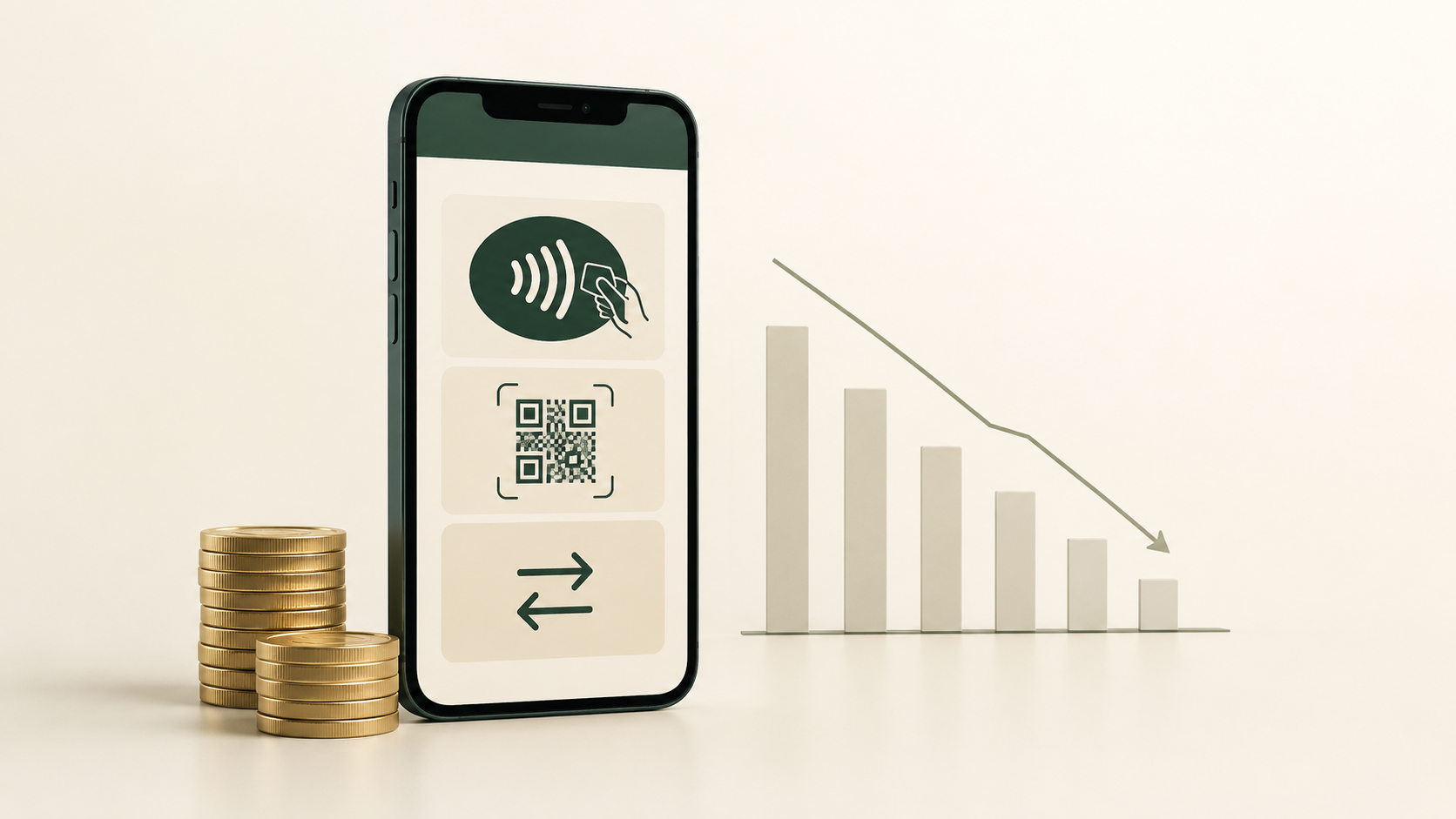
Just a few months after its implementation, digital payment taxation is already showing its limitations. According to the Quarterly Budget Execution Report (RTEB) as of March 31, 2026, the fiscal measures of the Economic and Social Recovery Plan generated only 54.2 billion CFA francs, against a quarterly forecast of 94.8 billion, resulting in a realization rate of 57.2%. This revenue shortfall highlights the new taxes applied to digital services and transactions.
The Senegalese Ministry of Finance attributes this underperformance to difficulties in identifying the tax base and ensuring effective collection of the new taxes. This is indicative of the complexity of digital taxation, where the rapid evolution of usage often outpaces the capabilities of tax administration.
This underperformance comes in a relatively favorable budgetary context. By the end of March 2026, total budget revenues reached 1,149.7 billion CFA francs, up 11.9% from the previous year, while tax revenues amounted to 1,095.7 billion. Corporate taxes increased by 15.3%, domestic VAT excluding oil surged by 28.3%, and the budget deficit remained at 333 billion CFA francs, representing 1.4% of GDP, well below the annual trajectory of 5.37%. In this generally positive picture, digital taxation appears as one of the few weak links.
This paradox is even more striking as Senegal aspires to become one of the African champions in the digital economy. However, taxing the very use of electronic payments risks slowing down their adoption. For merchants, self-employed workers, and small businesses, even a small transaction tax can change behaviors: back to cash, splitting payments, or limiting certain digital operations. These reactions gradually reduce the sought-after taxable base.
This phenomenon goes beyond Senegal. In 2025, Ghana abolished its Electronic Transfer Levy (E-Levy), introduced just three years earlier, after revenues fell well below expectations and a sharp decline in electronic transactions. Several studies by the International Monetary Fund also conclude that direct taxation of mobile payments reduces their use, affects low-income households more, and often produces a budgetary return lower than the economic cost incurred.
For many economists, digital should be considered more as a tool to broaden the tax base rather than a new taxable subject. Each electronic payment leaves a trace exploitable by tax authorities. This traceability facilitates the formalization of informal activities, improves controls, and strengthens tax collection. In this logic, digital data becomes a lever for tax efficiency rather than an additional tax target.
The Senegalese experience thus reopens a fundamental debate: should digital transactions be taxed or should their traceability be used to naturally increase public revenues? The initial results seem to support the latter option. At a time when Dakar is simultaneously seeking to restore its budgetary balances and accelerate its digital transformation, the question now goes beyond the simple yield of a tax. It refers to an economic policy choice: to encourage digital uses in order to sustainably broaden the tax base, rather than hinder their dissemination in the name of immediate revenues which, for now, fall far short of expectations.
Key points:
– Expected revenues from new measures: 94.8 billion CFA francs
– Actual revenues mobilized: 54.2 billion CFA francs
– Realization rate: 57.2%
– Total budget revenues in Q1 2026: 1,149.7 billion CFA francs
– Budget deficit: 333 billion CFA francs (1.4% of GDP)
– Growth in tax revenues: +11.9% year-on-year.

