



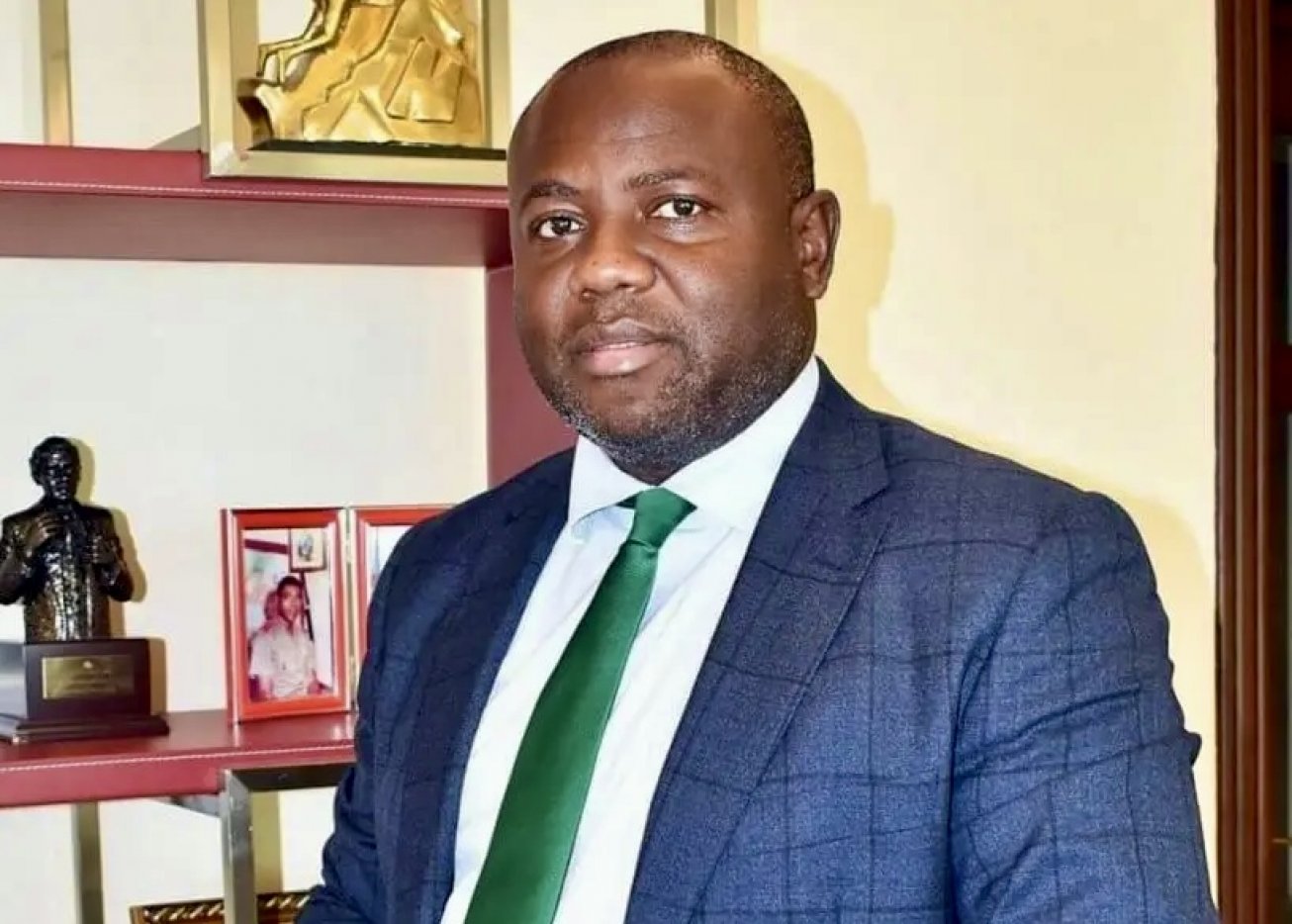
On June 20, 2026, Equatorial Guinean President Teodoro Obiang Nguema Mbasogo confirmed the reappointment of Prime Minister Manuel Osa Nsue Nsua, just four days after the resignation of the entire government. This collective resignation of the former cabinet was justified by “results deemed inadequate by the executive”.
According to the Vice President of the Republic, Teodoro Nguema Obiang Mangue, “the government had barely achieved 10% of the objectives set since its appointment in August 2024”. This was after an internal evaluation of performance deemed deficient by local authorities. This evaluation was made public through the Vice President’s social media, who emphasized “the need for increased responsibility in public management”.
“The degree of execution achieved is clearly insufficient in relation to expectations and commitments,” he wrote. Emphasizing that “the State had made substantial human, material, and financial resources available to meet the needs of the population”.
Beyond the low rate of achievement of objectives, the Democratic Party of Equatorial Guinea (PDGE), the ruling party, pointed to “widespread corruption and the government’s inability to implement structural reforms”. These criticisms come in a broader context of pressure on public governance in a country heavily dependent on oil revenues. Authorities have recently acknowledged that the lack of economic diversification and the weakness of structural projects limit economic growth and resilience.
Equatorial Guinea remains one of the largest oil producers in Central Africa, but this wealth has not been enough to boost the national economy. The recent decline in hydrocarbon production and the lack of effective diversification initiatives have weakened overall economic performance.
In this context, the government’s resignation was seen as a strong political signal. It aimed to show a willingness to refocus public action on tangible results, particularly in administration, infrastructure, and public services.
However, the reappointment of the Prime Minister a few days later raises questions about the real nature of political change and the executive’s ability to drive new governance dynamics. This approach, sometimes perceived as a mere façade adjustment, recalls precedents in which leaders have been reconfirmed despite mixed records, without major changes in political or economic orientations.
Observers believe that this reappointment could reflect President Obiang’s strategy to maintain political stability and control over the state apparatus. It could also be part of a continuity logic, despite internal and external criticisms.
As we go to press, no official announcement has been made regarding the composition of the new government. Even less about the concrete measures that will be taken to address the shortcomings highlighted in the previous evaluation. The question of whether this recomposition will result in an improvement in economic and social performance remains open, in a country facing deep structural challenges.
As Equatorial Guinea strives to strengthen its credibility with investors and regional partners, the challenge now is to align results discipline, economic reforms, and transparent governance.

