



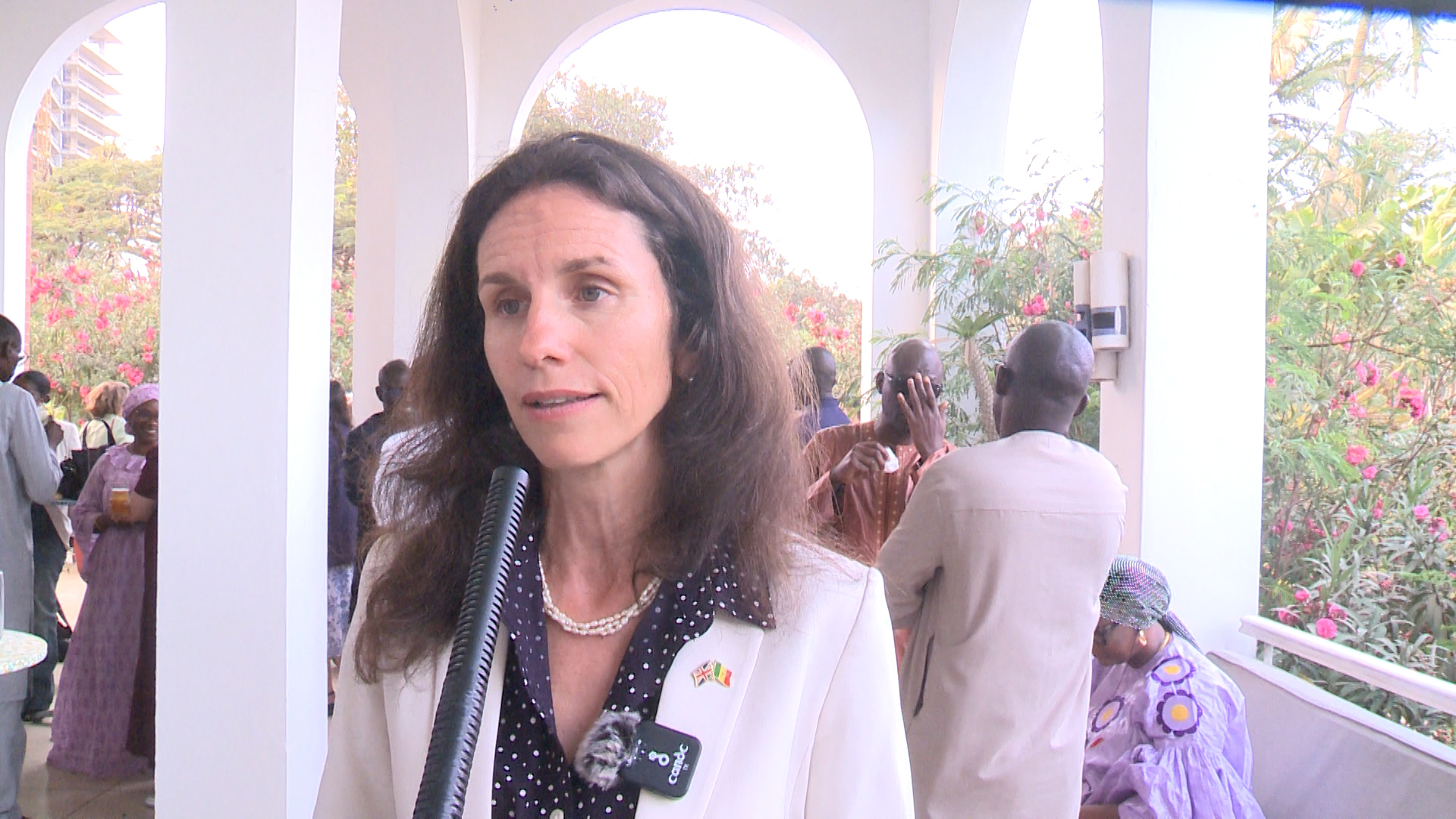
A few days before the Global Partnerships Conference, scheduled for May 19 and 20, 2026 in London, the Embassy of the United Kingdom in Senegal brought together representatives from governments, the private sector, civil society, and development actors in Dakar on Monday, May 11 to discuss a common ambition: to rethink international cooperation in a world facing increasingly complex economic, climate, and geopolitical crises.
Under the theme “Common Challenges, Collective Action”, this international conference will bring together governments, financial institutions, technological leaders, philanthropic organizations, businesses, and international institutions to build a cooperation model more focused on local leadership, sustainable finance, and technological innovation.
A questioning of traditional models
This preparatory meeting takes place in a context marked by a questioning of traditional development aid models. Sustainable finance, impact technologies, and strengthening local leadership are at the heart of the discussions, now seen as the new pillars of a more balanced and results-oriented cooperation.
Carine Robarts, the UK Ambassador to Senegal, emphasized the desire to promote “a development model that goes beyond the traditional logic of aid between governments”, in order to more closely involve the private sector, investors, philanthropic organizations, researchers, and technological innovators.
“The goal is to bring together actors who do not always work together around the same table to find concrete solutions to global challenges,” she said. The British diplomat also stressed the need to build modern coalitions capable of mobilizing innovative financing and forging high-impact partnerships.
Dakar wants to represent Senegal’s voice
For Dakar, this conference also represents a strategic platform to make Senegal’s voice heard on debt, international public finance, and sustainable development issues. The Senegalese Minister of Finance will take part in a roundtable discussion on sustainable finance.
On the other hand, Mamadou Ndiaye, the Director of Cabinet of the Senegalese Ministry of Microfinance and Social and Solidarity Economy, defended an approach based on a “win-win partnership”, which he believes reflects a profound paradigm shift in international relations.
“We are moving from a logic of cooperation where one party defined the rules to a logic of partnership where each actor must be able to benefit and contribute to the impact of development,” he explained.
He also highlighted the strategic role of the social and solidarity economy in building a more inclusive economic model. “Value creation should not come at the expense of human beings and nature,” he said, advocating for investments that reconcile profitability, social impact, and environmental sustainability.
Towards concrete commitments in London
Beyond speeches, the London conference aims to generate concrete commitments in favor of more direct financing for local actors, better mobilization of private capital, and international governance more focused on the needs of partner countries.
In a changing global environment, this new approach could redefine the balance of international cooperation and pave the way for more sovereign, resilient, and sustainable development models for African economies.

