



Nouakchott is hosting one of the most important events of the year dedicated to health financing and the development of the pharmaceutical industry in Africa on July 13 and 14. Organized by the Islamic Centre for the Development of Trade (ICDT), an organ of the Organisation of Islamic Cooperation (OIC) responsible for promoting trade and investments among member states and based in Casablanca, in partnership with the Mauritanian Ministry of Health and the Agency for the Promotion of Investments in Mauritania (APIM), the Regional Health Invest Forum aims to make investment a lever for health sovereignty for the continent.
This first edition is already a remarkable success. More than 700 participants are registered on the official platform of the forum. Health Ministers, high government officials, leaders of international financial institutions, experts, investors, representatives of development banks, pharmaceutical groups, industrialists, leaders in pharmaceutical distribution, insurers, entrepreneurs, and international organizations are converging towards the Mauritanian capital.
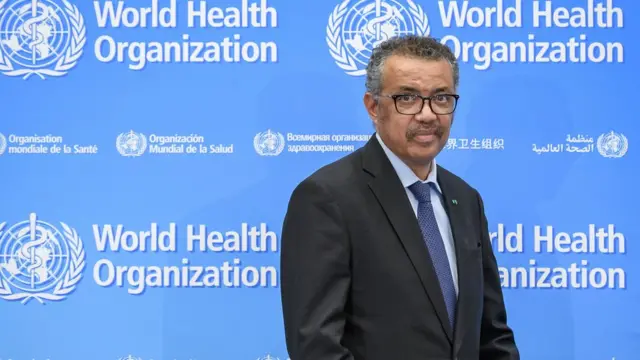
The forum takes on an international dimension with the presence in Nouakchott since July 12 of Dr. Tedros Adhanom Ghebreyesus, Director-General of the World Health Organization (WHO), who arrived with a significant delegation. His participation illustrates the growing interest of major international institutions in the issues of health sovereignty, local pharmaceutical production, and health system financing in Africa.
Under the theme “Strengthening intra-OIC trade and investment in the pharmaceutical sector: from strategy to action”, this meeting aims to turn ambitions into concrete projects. Beyond debates, the forum aims to facilitate the conclusion of partnerships, mobilize financing, and develop significant investments throughout the health value chain.
For Latifa El Bouabdellaoui, Director-General of the Islamic Centre for the Development of Trade (ICDT), the ambition is to create true convergences between public policies, investors, industrialists, and technical and financial partners. The goal is to promote the emergence of a regional pharmaceutical ecosystem capable of mobilizing the necessary investments, encouraging technology transfers, developing local production capacities, and reducing African countries’ dependence on imports of medicines, vaccines, and medical equipment.
This vision responds to lessons learned from the Covid-19 pandemic, which highlighted the fragility of global supply chains and the need for Africa to strengthen its health sovereignty. Health is no longer just a social issue; it becomes a strategic sector for investment, industrialization, innovation, and job creation.
The discussions will focus on financing hospital infrastructure, local drug production, medical technologies, digitalization of health systems, public-private partnerships, innovative financing mechanisms, as well as the integration of African pharmaceutical markets and those of OIC member countries.
For Mauritania, this forum also showcases its ambition to become a regional platform between West Africa, North Africa, and the Islamic world. After hosting several major economic meetings, Nouakchott confirms its growing importance as a dialogue platform between public decision-makers, investors, and international institutions.
Over two days, the Mauritanian capital will be the stage for high-level reflections on the future of the health economy in Africa. More than just a forum, the Regional Health Invest Forum aims to be a catalyst for projects and investments, with a strong conviction: the continent’s health sovereignty will be achieved through the convergence of public policies, private capital, and industrial innovation.

