



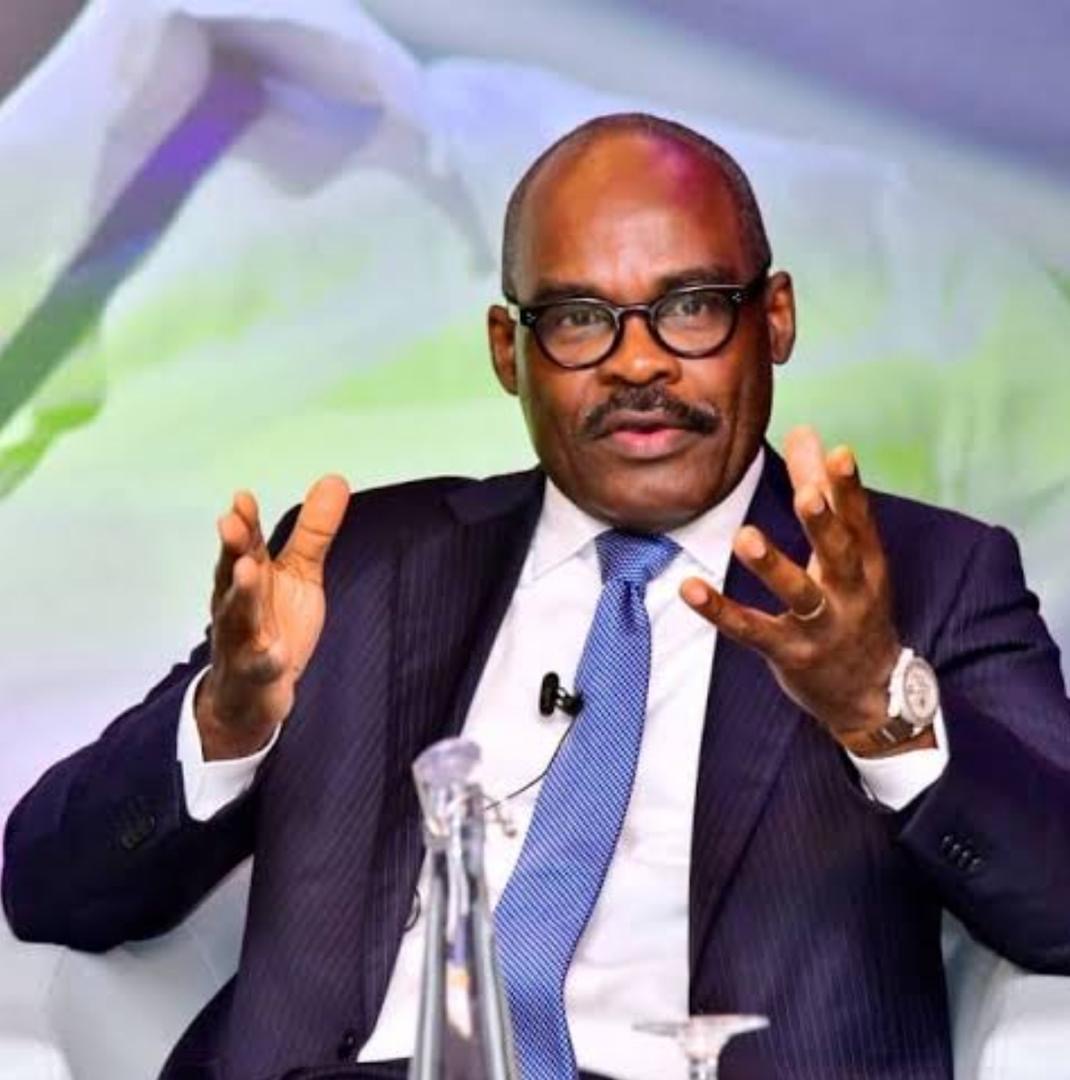
By Nicolas Kazadi, National Deputy, former Minister of Finance of the DRC.
The interview given by Sandrine Ngalula Mubenga to Forbes Africa deserves to be read carefully. It shows a dynamic electricity sector in the DRC: more operators, more projects, more solar energy, more regulation, more data, and above all a clearer awareness of the national energy urgency.
It must be acknowledged: under President Félix Tshisekedi, a real effort has been made to put electricity back at the center of the economic agenda. According to the figures mentioned in the interview, installed capacity would have increased from 2,972 MW in 2020 to 4,133 MW by the end of 2025, a +39% increase, while the coverage rate would have increased from 17% to 29%. The Electricity Regulation Authority also indicates that it reviewed 115 projects in 2025, for a potential additional 2,272 MW by 2030. These numbers matter, especially when we remember that between 2001 and 2010, actual production had decreased from 1,610 MW to 1,577 MW, despite population growth.
Today, the sector is no longer stagnant. The liberalization initiated by the 2014 law is starting to show its effects. The announced installation in Kinshasa of the start-up unit of CORREAC, the Central African Electricity Regulation Commission, also represents an institutional and geopolitical victory for the DRC.
But acknowledging the effort does not exempt from asking the right questions.
The first question is about the national balance of benefits. It is normal and legitimate that mining areas are currently leading the energy dynamics: they concentrate abundant, immediate, and solvent demand. This is economically rational, but politically insufficient.
The energy policy must also reduce power outages, electrify territories, and supply SMEs, public services, and small industries. The real question is therefore simple: do the new megawatts really improve the daily lives of Congolese people?
Because a worrying paradox has emerged. The DRC, a country with unparalleled hydroelectric potential, has become a net importer of electricity since 2019. The annual import bill is estimated to be around $200 million on average in recent years. This is the downside of the mining boom: a country rich in potential energy imports to support its mining production, while large portions of its population remain in the dark.
Here is where we must learn from history. The DRC is all too familiar with the cycle of grand projects announced with enthusiasm, financed with difficulty, politically launched, and then slowed down by incomplete studies, irregular counterparts, contractual conflicts, weak project management, blocked equipment, unfinished lines, or nonexistent networks.
The Inga saga is a symbol of this. It is not just an unfinished dream; it is also a lesson in indebtedness. In the 1970s, the Zairean state embarked on major projects related to Inga, including Inga II and the Inga-Shaba line, intended to transport electricity to the mining Katanga region. But costs skyrocketed, actual usage remained limited, expected revenues did not materialize, and the state bore the debt. Until the HIPC completion point in 2010, this debt remained one of the major burdens inherited from the Mobutu era.
This memory should guide current choices.
The recent issuance of $1.25 billion in eurobonds, part of which is intended to finance the completion of the Katende dam, marks the DRC’s entry into international markets. But it also imposes a new obligation: not to turn this issuance into a budgetary vulnerability. A debt at nearly 9% is not an ordinary resource. It requires mature, fast, productive, audited projects capable of generating value and supporting their own economic justification.
However, historical facts lead to a conclusion that can no longer be avoided: in the DRC, electrical projects progress better when backed by solvent demand, clearly responsible operators, and disciplined financial structuring. Busanga, driven by an industrial and private logic, delivered 240 MW in four years. In contrast, Kakobola took about fifteen years to produce 10 MW; Katende, planned for 64 MW, remains unfinished after many years of setbacks; and the 4,133 MW of installed capacity at the national level actually only generate 2,808 MW, indicating other challenges.
This does not mean that the state should step back. It means that it must change its role: less as a solitary builder, more as a strategist, regulator, guarantor of the general interest, and architect of robust partnerships.
In this perspective, the agreements recently signed with the USA can provide the Inga development project with the strategic, financial, and geopolitical support it has long lacked. But this favorable situation must be exploited without naivety or haste, in a framework open to our historical African, European, and Chinese partners, so that Inga ceases to be a slogan and becomes a credible and bankable energy platform.
The UDPS program led by Étienne Tshisekedi during the 2011 presidential election already advocated for greater private sector involvement in financing and managing energy infrastructure; it warned about the trap of over-indebtedness, and also raised the central question of SNEL, whose restructuring remains the knot of the Congolese electrical system.
Katende must be completed. Grand Kasaï has been waiting for it for too long. But it must not become a new endless financial pit, especially as the energy needs of this area could soon amount to thousands of megawatts, considering the new mining prospects in copper, cobalt, and nickel in the region. For Katende, given the structural weaknesses in project management, a concessional or semi-concessional financing with progressive disbursements would have been more secure than an expensive commercial debt. But failing that, Katende must become a pilot project of public accountability: technical audit, enforceable schedule, payments tied to results, quarterly publication of progress, monitoring of disbursements, and regular communication.
The right course of action is not to reject debt, but to incur it with discipline, without confusing raised debt with created value.
Beyond Inga, the DRC must accelerate execution if it hopes to come closer to its goal of providing electricity access to 62% of its population by 2030: defining priority projects based on identified sites, technically prepared and financially structured, and presenting them to investors and donors in rigorously prepared roadshows.
The best way to value the effort made under President Tshisekedi is therefore to avoid past mistakes.

