



Ecobank has published record results, with a pre-tax profit of $801 million and will redistribute a dividend of $40 million to its shareholders, which is 43% more than its last payment in 2022. The fruits of a transformation strategy initiated three years ago.
When Ecobank Transnational Incorporated released its annual results this spring of 2026, it was not just records that caught the analysts’ attention. It was the confirmation that the group, born in Lomé in 1985 with the unique ambition of building a continental African bank, had definitively put an end to a decade of turbulence.
Net banking income of $2.45 billion, up 17% year-on-year. Pre-tax profit at $801 million, up 21%. Tangible return on equity at 27.8%. And, above all, a dividend of $40 million, up 43% from the last payment in 2022 ($28 million) and returning to pre-crisis levels with a dividend of $48 million in 2016.
GTR: a structural response
What sets this increase apart from a mere improvement is the nature of what produced it. Since the launch in 2023 of the GTR strategy: Growth, Transformation, Returns, the group has implemented a plan to build a sustainable model.
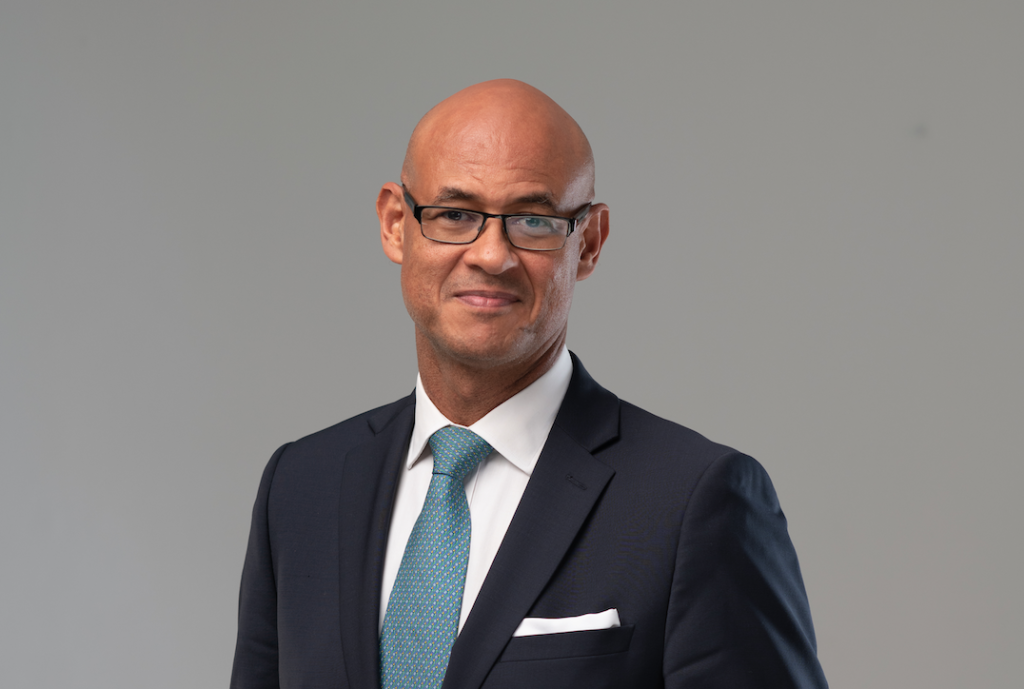
“Our 2025 performance demonstrates that our GTR strategy, combined with our geographically diversified model, produces tangible results. Revenues increased by 17% to $2.45 billion,” highlighted Jeremy Awori, CEO of the Ecobank group.
The growth is based on a unique competitive advantage, a presence in 34 countries in sub-Saharan Africa. In 2025, this footprint secured over 75 major mandates with multinationals and development institutions.
The transformation is evident in the operating figures. Expenses increased by only 7%, while revenues surged by 17%, bringing the cost/income ratio to 48.3%, its best historical level. Customer deposits soared by 24% to $25.3 billion. The value of digital transactions reached $133 billion (+30%), driven by the Ellevate platform dedicated to women entrepreneurs.
“We have installed 500 new ATMs, expanded our agent network to 22 markets, recruited over 1,000 employees. Customer satisfaction has increased by 10 points to reach 70%,” the CEO stated.
Returns, finally, materialize in this increased dividend, a clear signal that the discipline of the years of transformation is now paying off for shareholders. Equity increased by $852 million in the 2025 fiscal year alone, reaching $1.93 billion.
The price of a decade of discipline
To measure the progress made, a brief look back is necessary. In 2016, the Nigerian oil shock and the devaluation of the naira had a significant impact on Ecobank Nigeria’s loan portfolio quality. As a result, the group recorded $864 million in losses and a non-performing loan ratio of 11%. Between 2017 and 2024, Ecobank paid a dividend of $28 million only once for the year 2022.
This silence was not a weakness. It was a choice. African regulators imposed strict constraints on distributions until financial strength ratios reached their target levels. Distributing in this context would have been risky and counterproductive. The group chose to consolidate, clean up, invest.
“We are on track to increase shareholder value,” stated Albert Nkontchou, chairman of the board of directors in October 2024.
Spoken eighteen months before these results, this statement now resonates as a promise kept. Today, the group’s financial strength ratio stands at 16.7%, 420 basis points above the regulatory minimum. The foundation seems solid.
The Pan-African lesson
For the continent’s financial markets, Ecobank’s trajectory is more than just a banking success story. It is a demonstration that rigor pays off even when it is painful in the short term.
“What the group has accomplished deserves unreserved praise. Ecobank made the most difficult choice: prioritizing utility over pleasure. Consolidating the balance sheet, cleaning up the portfolio, financing transformation, and only then rewarding shareholders. In an African banking sector where the temptation to distribute to reassure is constant, this long-term discipline is a model. Today’s dividend would not have been possible without yesterday’s sacrifices,” stated a senior analyst of African financial institutions.
Forty million dollars. A modest sum compared to the world’s major banks. An immense sum compared to the doubts that surrounded the group just eighteen months ago. For shareholders who held on, for African markets in need of credible champions, this check is worth much more than its face value.
Ecobank now enters a new cycle with a booming Central and East Africa region, with a 52% increase in pre-tax profit in 2025 and a digital model generating recurring revenue. The challenge for the coming years will be to confirm that this dividend marks not an isolated event, but the beginning of a regular contract with its shareholders.

