



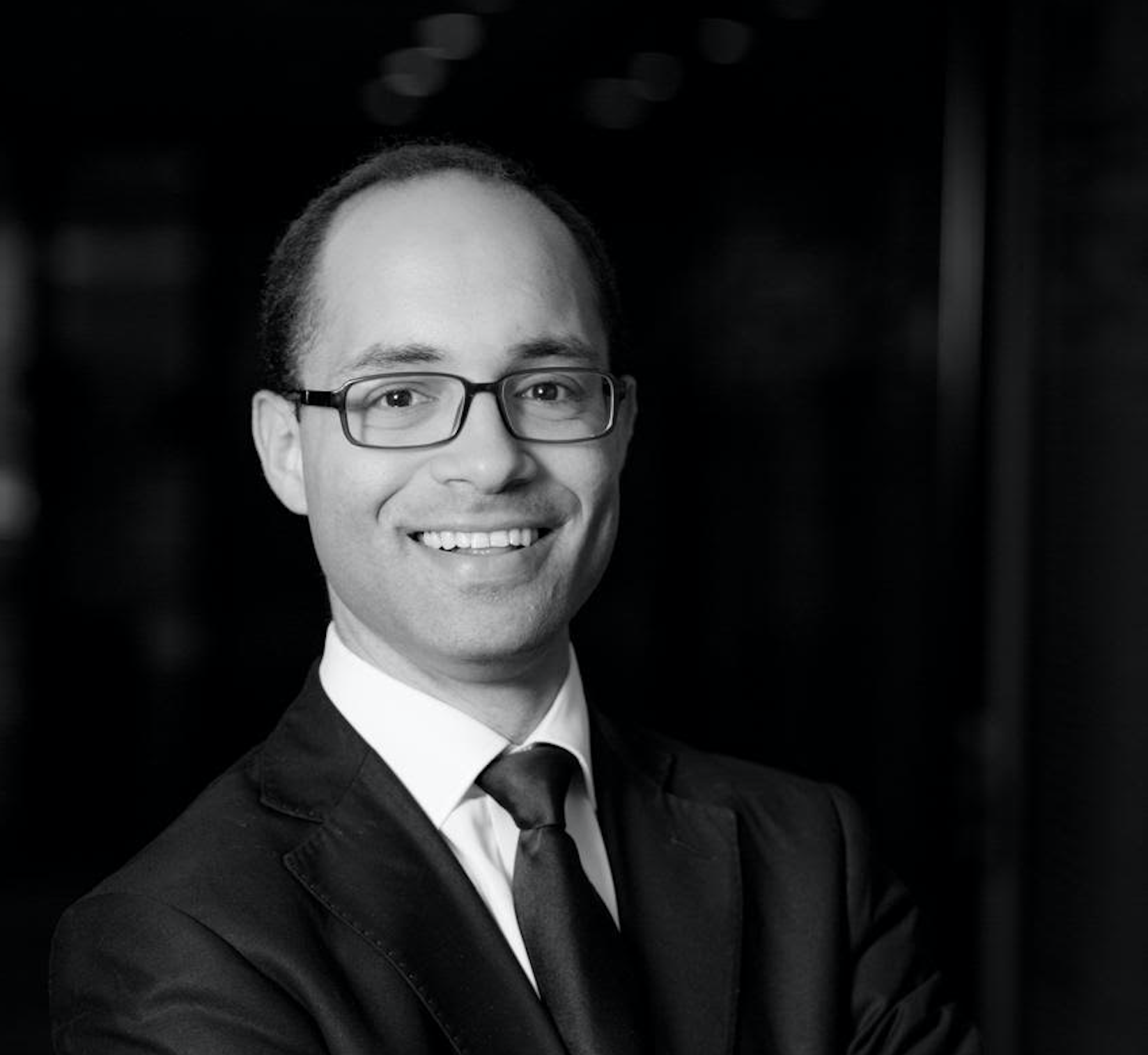
(1 US dollar (USD) ≈ 10.0 to 10.2 Moroccan dirhams (MAD)) The Casablanca Stock Exchange is undergoing a strategic transformation. Broadening the investor base, resurgence of initial public offerings, launch of the futures market… In this interview with Financial Afrik, Majd GUEBBAS, CEO of BMCE Capital Bourse, a subsidiary of BANK OF AFRICA – BMCE Group, believes that these developments outline a market that is deeper, more sophisticated, but still facing the central challenge of its integration into the real economy.
The Casablanca Stock Exchange is marked by low depth and concentration of volumes on a few stocks. What concrete levers can be activated to broaden the investor base and diversify issuers?
The low depth of the Casablanca Stock Exchange is structural, although it has significantly improved over the past two years with trading volume on the Central Market increasing from 33 billion dirhams in 2023 to over 120 billion dirhams in 2025. To reduce the concentration of volumes on a limited number of stocks, several levers can be activated. At the investor level, it is necessary to encourage household savings through the promotion of the PEA (Equity Savings Plan) and investment in OPCVM (Collective Investment in Securities) invested in the stock market. These vehicles can attract savings to the stock market. Furthermore, the development of online trading platforms by authorized intermediaries has greatly improved access for individual investors to the stock market. These investors currently represent over 30% of the market volume. At the issuer level, we see a new momentum with the resumption of IPOs and the use of the market for capital increases. This dynamic must be supported through: maintaining tax benefits for companies going public, adjusting them according to the level of floating shares offered; implementing mechanisms for gradually expanding the float, through secondary sales or regular market operations; developing the alternative market by supporting SMEs in raising capital on the capital markets. Furthermore, privatization of public institutions through opening up the capital through IPOs would increase the number of listed companies and send a strong signal in favor of market attractiveness.
From a technical perspective, enhancing liquidity can be supported by improving market activity with the development of market-making on listed stocks and the launch of buyback/liquidity programs by listed companies.
The development of the futures market is presented as a major advancement. Can it truly transform risk management in Morocco or will it remain a technical tool reserved for a minority of sophisticated actors?
The launch of a futures market in Morocco is a significant structural advancement that marks a “new era” in the Moroccan financial market. However, access to this new market must be popularized among a larger audience to ensure its success. Indeed, the introduction of the futures market is not just a technical evolution; it is a true lever for transforming investment behaviors, historically marked by a “Buy and Hold” approach. For investors, these financial futures instruments expand the range of possible strategies. The futures market allows for better risk management, a more precise balance between return and security. This evolution encourages more structured investment practices, at the expense of occasional or opportunistic approaches.
Access to financial futures instruments is open to all investors, whether professional investment professionals or individual investors, provided they clearly understand the operating mechanism and inherent risks of this type of investment.
In a context of increased competition among emerging financial centers, what are the main obstacles preventing the Casablanca market from attracting more foreign capital?
In a context where emerging market exchanges aggressively position themselves to capture regional and international capital flows, the Casablanca financial center has initiated a new dynamic to improve its attractiveness.
Actions must focus primarily on: (1) improving market liquidity and increasing the float (currently around 20%), which is relatively low; (2) reclassifying the Moroccan market to the MSCI Emerging Index for better visibility among foreign investors and to attract foreign ETF (Exchange Traded Funds) flows; (3) easing account opening and capital circulation requirements for foreign investors; (4) continuing to upgrade market infrastructure, which has entered a new era with the launch of the futures market; (5) disseminating financial information, particularly in English.
The Moroccan stock market still plays a limited role in business financing, especially for SMEs. How can the link between the capital market and the national productive fabric be strengthened?
This is probably the most strategic challenge. A stock exchange that does not finance the productive economy is a stock exchange that disconnects from its fundamental purpose.
The Moroccan economic fabric is dominated by family-owned SMEs that almost exclusively rely on bank credit. The stock market is perceived as a realm reserved for large, complex companies that require a loss of control that owner-managers refuse. In order to change the perception of SMEs, the Casablanca Stock Exchange, in partnership with the Ministry of Industry and Commerce with the support of the CGEM and the AMMC, launched the “Growth” program, with the first cohort (31 companies) certified in February 2026. The objective of this training program is to provide companies with support and tools to finance growth projects through the capital markets. Furthermore, private equity funds have a strategic role to play in the market dynamics. They accompany the institutionalization of companies by providing expertise in governance and management to prepare them for capital raising on the financial markets.
Market development also requires a better financial literacy among citizens. How can confidence be restored and more Moroccans be encouraged to invest in the stock market rather than favoring traditional investments?
Investor confidence is the cornerstone on which the development of a financial market rests. Preserving and nurturing the market’s trust capital relies on four fundamental pillars: the strength of the regulatory framework for investor protection; continuous improvement of the governance of listed companies; the quality and availability of financial information; and the promotion of financial education among citizens to develop an investment culture.
Biography of Majd GUEBBAS
Majd GUEBBAS is the CEO of BMCE Capital Bourse, a subsidiary of BANK OF AFRICA – BMCE Group. With over 20 years of experience in financial markets, he began his career in the foreign exchange market before moving into asset management and brokerage. He is also a member of the board of the Professional Association of Brokerage Firms (APSB). Majd GUEBBAS holds a degree from the Bordeaux School of Management (KEDGE Business School), a specialized postgraduate diploma from the University of Paris XII, a Master’s degree in Real Estate Management from the University of Paris IX – Dauphine, and a Certificate in Banking and Finance Administration from the International University of Rabat and the Moroccan Institute of Directors.

