



For a long time confined to a leisure activity, esports is gradually becoming part of a global industrial logic. In Africa, the movement is still diffuse, but some signals indicate a phase of structuring. Morocco is part of it.
The African video game market, largely dominated by mobile, is experiencing sustained growth, higher than the global average. This dynamic is based on factors that are now well identified: a young population, rapid penetration of smartphones, and a strong increase in digital consumption. In this context, esports appears as a natural extension, still poorly structured but already carrying economic stakes.
In Morocco, the gaming sector already represents more than 200 million euros in annual turnover, with regular growth prospects in the medium term. However, this progression is largely captured by international actors, due to a lack of a sufficiently consolidated local network.
It is precisely on this point that the country seems to be initiating a turning point.
Several initiatives demonstrate a willingness for structuring: organization of dedicated events, emergence of studios, projects like Rabat Gaming City, and increasing involvement of public authorities in the training and support of actors. In addition, private actors, especially in the telecommunications and financial services sectors, see esports as a lever to access a young audience that is difficult to reach through traditional channels.
However, this dynamic remains incomplete. Financing remains limited, specialized training is rare, and the entrepreneurial ecosystem is still fragmented. At the continental level, the situation is comparable: while the player base is significant, the local offer remains marginal, and a large part of the value continues to be captured outside the continent.
In this context, the interest of the Moroccan model lies less in its degree of maturity than in the trajectory it outlines.
The development of the sector does not rely solely on public investments or heavy infrastructure, but on a progressive accumulation of initiatives: events, communities, team structuring, and content development. This more organic model seems better suited to local constraints.
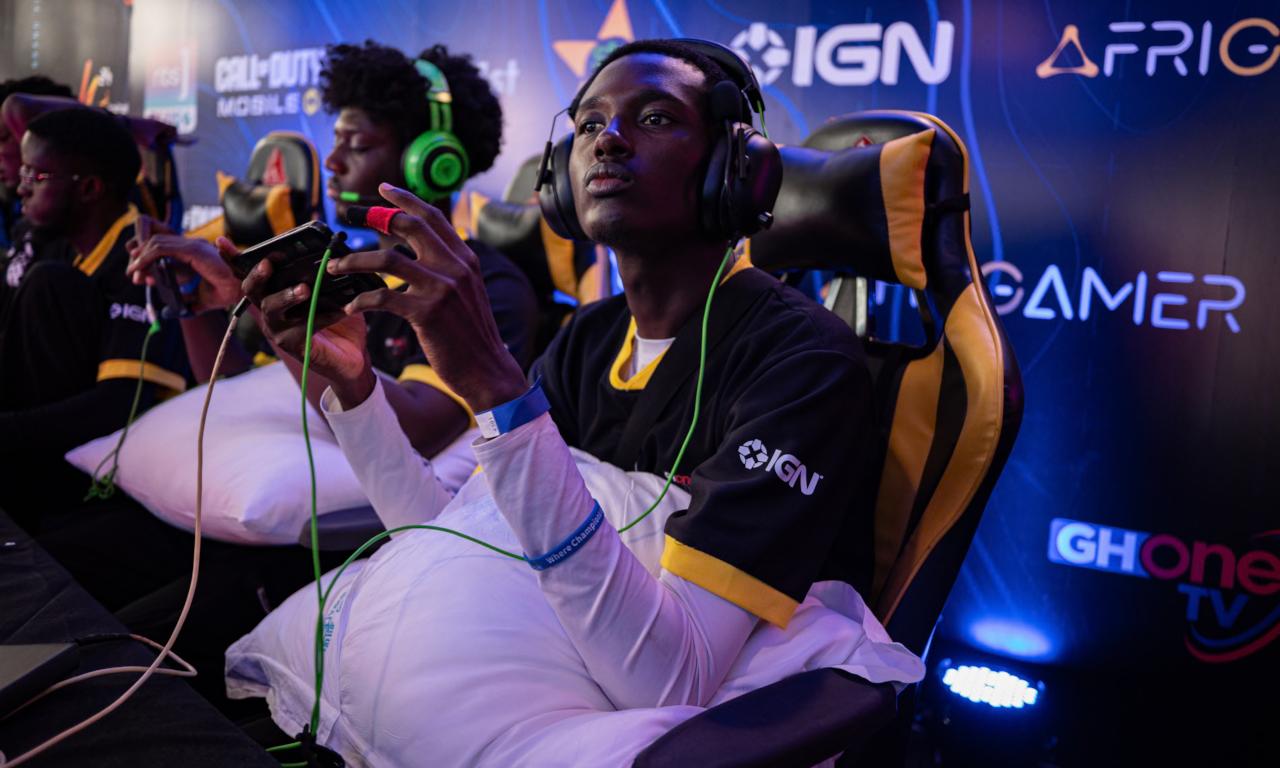
Another specificity lies in the central role of mobile. Nearly 90% of the African video game market is currently driven by this segment. This reality conditions the form that esports will take on the continent: more accessible, less capital-intensive, but potentially broader in terms of audience.
In the medium term, several factors could accelerate this structuring. Among them, the ability to capture a larger share of the value chain (editing, production, distribution), the development of specialized training, and the emergence of adapted financing models.
In the case of Morocco, international events like the 2030 World Cup could also play an indirect accelerator role by strengthening the country’s infrastructure and visibility.
At this stage, the market is still under construction. But the constituent elements are now identifiable. For economic actors, the question is no longer so much about the potential as it is about positioning in a sector that is still open.

