CONTENTS
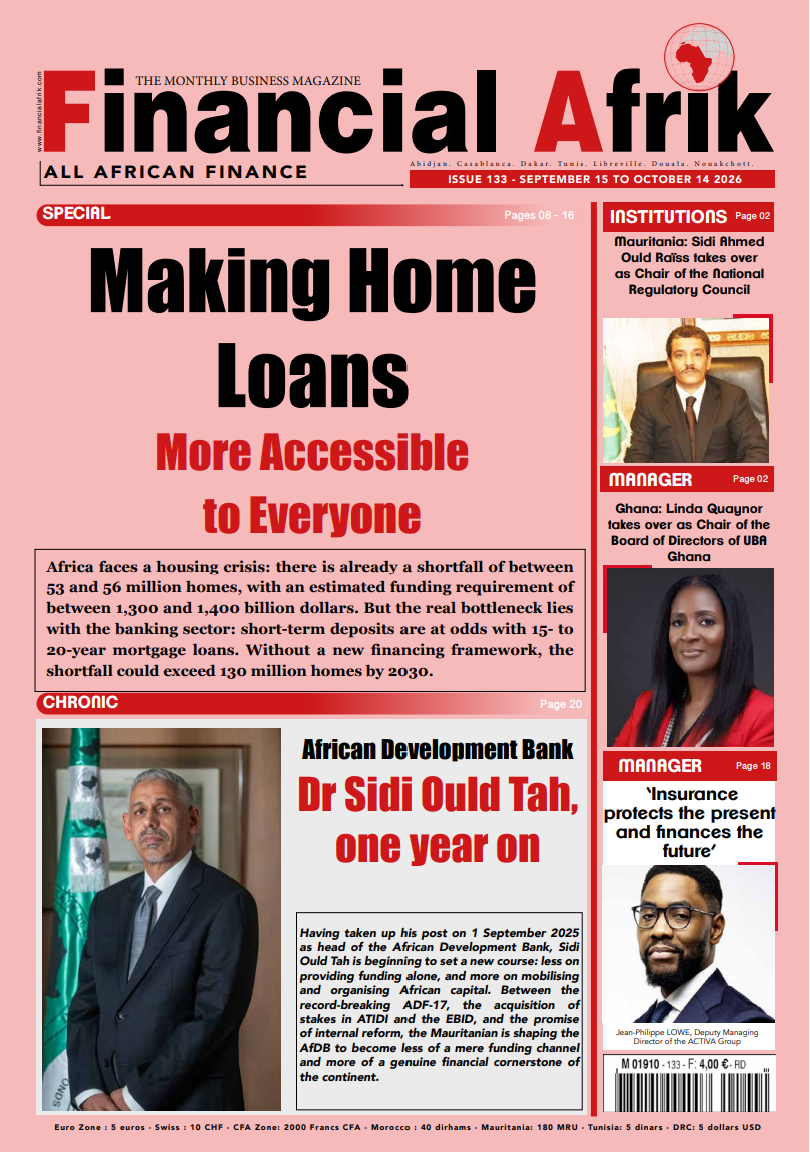
Financial Afrik Issue 133 — September 15 to October 14, 2026
EDITORIAL
National Champions Are Not Created by Decree — Adama Wade (p. 4)
Africa’s future corporate giants will emerge from the right ecosystem: long-term capital, competitive markets, infrastructure, regulation and entrepreneurship.
INSTITUTIONS
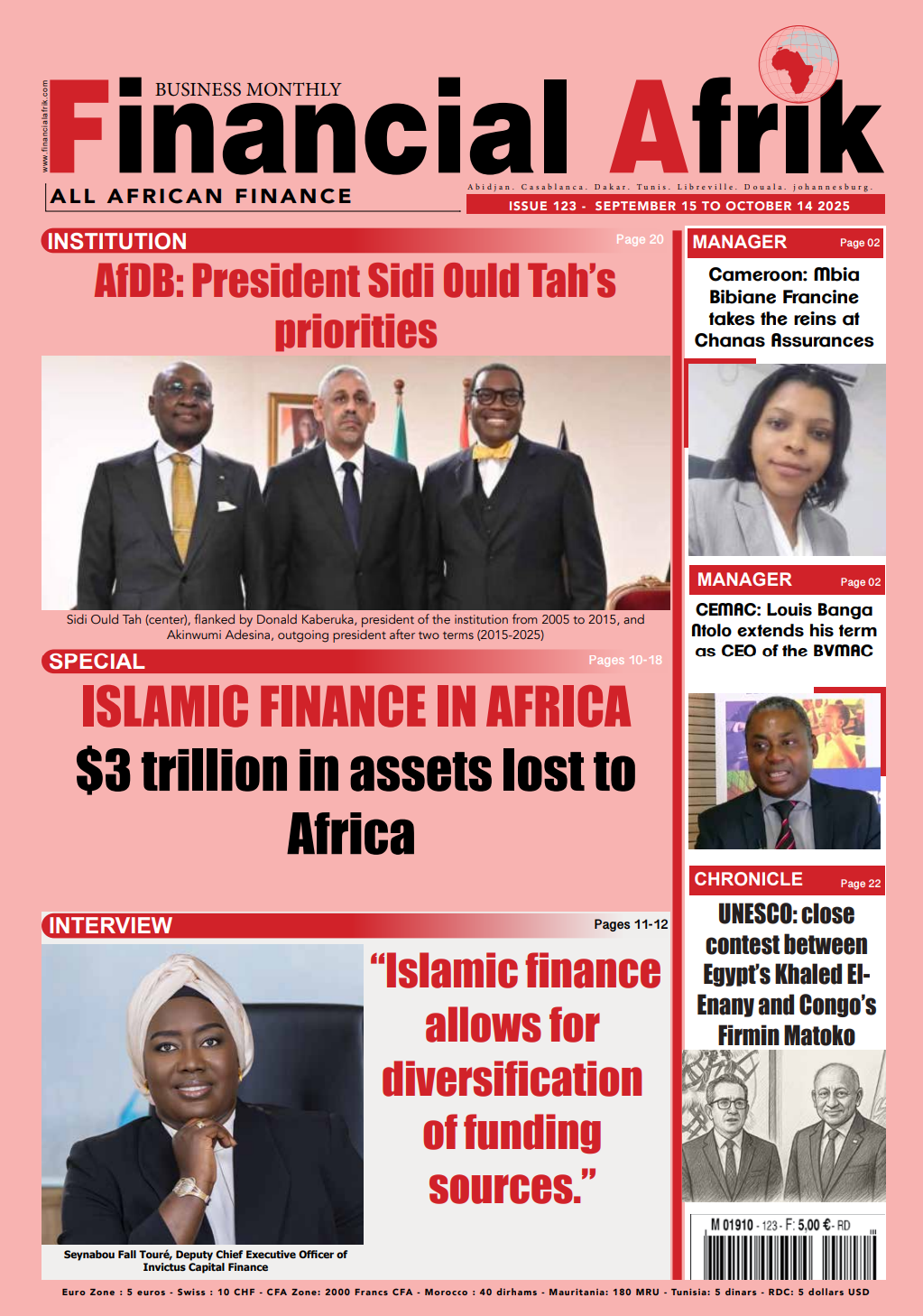
African Development Bank: Dr Sidi Ould Tah, One Year On (Cover Story, p. 1)
A new strategic direction for the AfDB, focused on mobilising African capital, strengthening partnerships and positioning the institution as a financial cornerstone of the continent.
Mauritania: Sidi Ahmed Ould Raïss Appointed Chair of the National Regulatory Council (p. 2)
The former Governor of the Central Bank of Mauritania takes over the body overseeing key regulated sectors.
EBID: Moody’s Upgrade Confirms the Bank’s Rise Toward Investment Grade (p. 3)
The West African development finance institution strengthens its financial standing and international credibility.
PREMIUM
Ghana: Linda Quaynor Becomes Chair of UBA Ghana’s Board of Directors (p. 2)
The first woman appointed to lead the board of the Ghanaian subsidiary.
GIM-UEMOA: Ahmed Al Moustapha Cissé Takes Over as Acting Director-General (p. 2)A transition at the helm of the regional electronic payments platform.
NSIA Vie Cameroon: Abakal Mahamat Joins the Board of Directors (p. 2)
A move reflecting the growing convergence between banking and insurance in Central Africa.
Barrick: Sebastiaan Bock Appointed Head of Operations Outside North America (p. 2) He will oversee major mining operations across Africa and other international regions.
BGFI Assurances: Patrick Obiang Obame Takes the Helm (p. 2)
A new chapter begins following the transformation of Assinco into BGFI Assurances.
BANKING
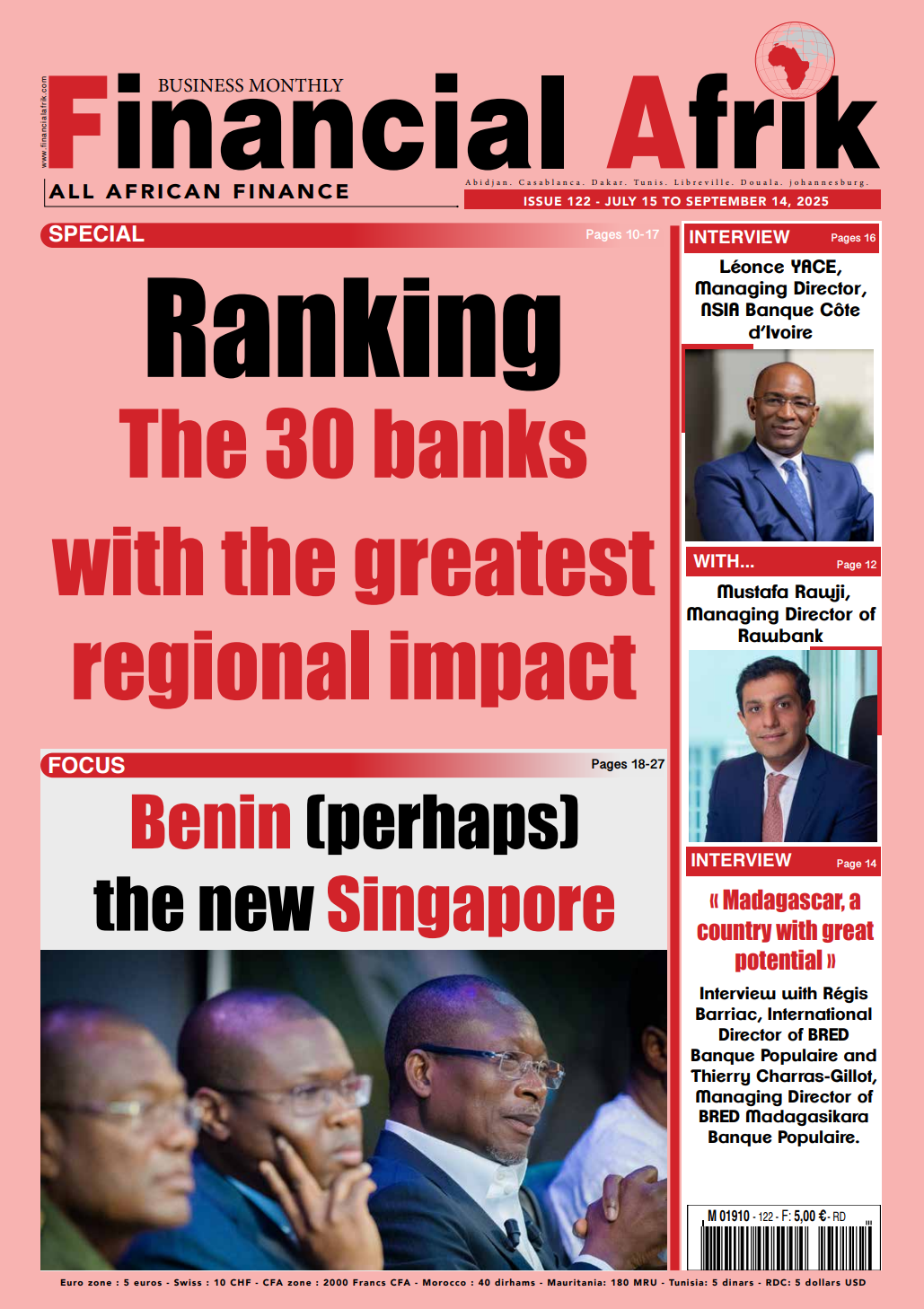
Banks in Côte d’Ivoire: SGCI Remains the Market Leader, While BNI Accelerates (pp. 6-7)
A ranking of the country’s banking sector through five key indicators: total assets, deposits, loans, net banking income and profitability.
SGCI, BNI, NSIA, Coris: The New Hierarchy of Ivorian Banking
An analysis of growth strategies, market positioning and financial performance.
SPECIAL REPORT — HOUSING & FINANCE
Making Access to Mortgage Loans More Widespread (pp. 8-16)
Africa’s housing challenge: a shortage estimated at 53 to 56 million homes and investment needs exceeding $1.3 trillion.
Housing Banks in Africa: Which Ones Survived, Which Ones Failed, Which Ones Disappeared?(p. 9)
The contrasting journeys of housing finance institutions across Africa: BHS Senegal, BH Bank Tunisia, BHCI Côte d’Ivoire, BHN Niger, BHT Chad and BHR Rwanda.
MANAGER
“Insurance Protects the Present and Finances the Future”
Interview with Jean-Philippe Lowe, Deputy Managing Director of ACTIVA Group.
CHRONIC
National Champions Are Not Created by Decree
A reflection on how African corporate champions are built through capital, competitiveness, infrastructure and regional markets.
Financial Afrik — The Monthly Business Magazine
Abidjan • Casablanca • Dakar • Tunis • Libreville • Douala • Nouakchott