



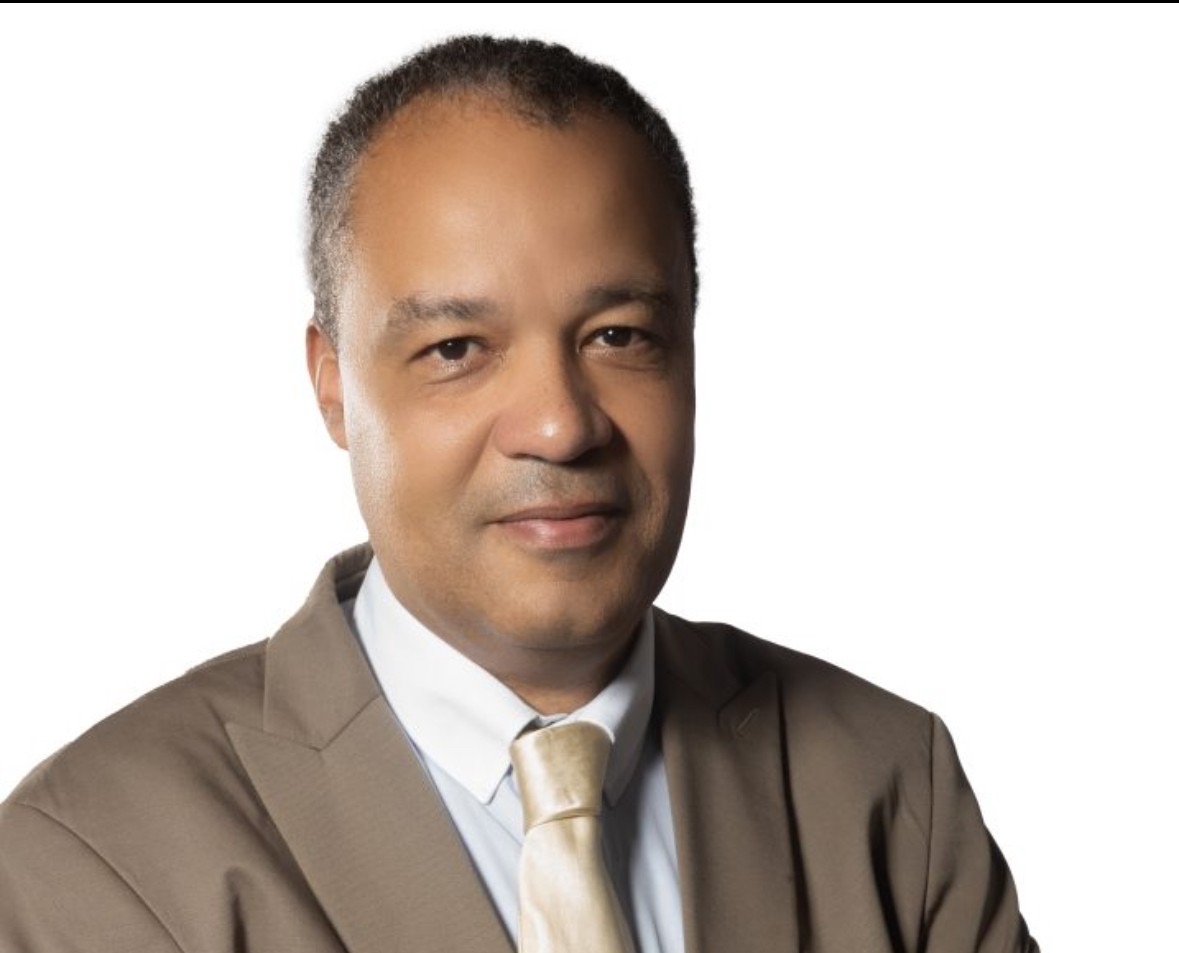
By Christian Kazumba*
In the DRC, a digital tax suspended after twelve days of protest. A symptom of a larger problem: often, on the continent, governments choose the quickest fiscal solution rather than the most effective one.
On July 20, 2026, the Democratic Republic of Congo signed a decree introducing new taxes on digital activities: up to $100,000 for certain categories of services and $5,000 for the authorization to operate fintechs or online banks. The objective, legitimate a priori, was clear: to increase state revenues.
Twelve days later, a massive protest from the local ecosystem led to the suspension of this much-criticized text. The mobilization notably highlighted a contradiction with the spirit of the “Startup Act,” a 2022 law intended to create an attractive tax framework for Congolese innovation. A brief episode, but one that speaks volumes about a widely spread issue on our continent.
The reflex of short-term thinking: the punitive ease
The DRC is far from being the only one succumbing to this logic of short-termism.
In 2025, South Africa attempted to raise its VAT rate from 15 to 15.5%, before stepping back. The measure had everything to attract a hurried government: all consumers, whether working in the formal or informal sector, were subject to it, and it was the merchants, not the administration, who had the responsibility of collecting VAT.
Increasing the rate of this tax therefore requires neither a new control apparatus nor additional collection efforts. The state believes it will generate more revenue quickly and broadly, without changing anything in its organization.
Persistent military conflicts, salaries and bonuses of civil servants, repayment of debt capital or payment of interest: faced with immediate and sometimes poorly anticipated budget deadlines, some governance often opts for the simplest and quickest solution, but not necessarily the most productive one.
Adding a tax to already identified taxpayers seems to require less effort than gradually mobilizing those who still escape any taxation. However, this is an absolute necessity in countries where the informal sector represents, on average, between 20 and 65% of the GDP.
Horizontal equity: the method rather than the stick
To optimize revenues sustainably, our administrations should prioritize horizontal equity, by expanding the tax base with equal contributive capacity, rather than the vertical asphyxiation of the formal core. However, integrating the informal sector requires method and, above all, time.
Indeed, pure constraint is doomed to failure, and Burkina Faso learned this the hard way. An Informal Sector Contribution, renamed Microenterprise Contribution in 2015, attempted to broaden the tax base by automatically taxing informal actors, through coercion.
The result is clear: this new tax generates only 0.28% of the country’s total tax revenue. The “stick technique,” to be effective, must be preceded by the progressive construction of a trust relationship between the administration and non-formalized operators.
Côte d’Ivoire has chosen another path, that of the “carrot,” which is already producing initial results. Since 2023, the Coffee-Cocoa Council has been covering the monthly universal health coverage contribution of all cardholding producers.
In April 2025, a symbolic check of 952 million CFA francs was handed over to the National Health Insurance Fund to cover 700,000 coffee-cocoa producers, the vast majority of whom operate in the informal sector.
No taxation as a prerequisite: first identification, census, card, then concrete service provided before any tax demand. You don’t pay to see, but you agree to pay when you have seen.
Real tax reform is built by replacing coercion with an inclusive trust pact. Wanting to save time today risks losing revenue tomorrow.
As long as African states remain trapped in short-term thinking, they will be inclined, in times of tension, to turn to already overburdened economic operators.
True tax reform does not come through a simple decree. It is built, step by step, inclusively.
*About Christian Kazumba
Christian Kazumba is an expert in the development of the sub-Saharan private sector. Working for sixteen years on the African continent, his career has allowed him to evolve successively in Morocco, Mali, Burkina Faso, Togo, DR Congo, and Gabon in operational or general management positions in service sector companies.
He also led, on behalf of a “Big Four,” a World Bank project to establish SME centers in the DRC. After directing the Gabonese subsidiary of Entrepreneurial Solutions Partners, a pan-African consulting firm focusing on the development of the sub-Saharan private sector, he is now based in Abidjan where he serves as Chief of Staff for the same firm.

