



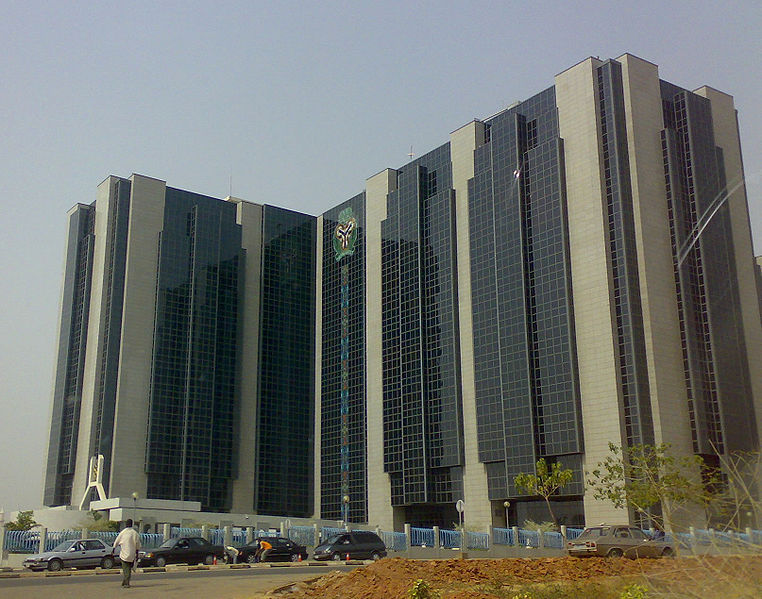
The external reserves of Nigeria exceeded $52.5 billion as of July 17, 2026, their highest level since 2009, according to the Central Bank of Nigeria (CBN), which attributes this increase to the monetary reforms implemented over the past three years.
According to CBN Governor Olayemi Cardoso, these reserves surpass the institution’s annual target. He also highlighted an improvement in the stability of the naira, with the gap between the official exchange rate and that of bureau de change narrowing to less than 2%.
The central bank also reported that annual inflation stood at 15.91% in June, down from 15.93% in May, continuing its slowdown.
CBN attributes this development to several measures, including the unification of the exchange market, the recapitalization of the banking sector, the launch of the B-Match currency trading platform, the introduction of the Non-Resident Bank Verification Number (NRBVN), and the implementation of the Overnight Financing Rate (NOFR).
The institution also reiterated the maintenance of a 75% reserve requirement ratio on certain public deposits to limit excess liquidity.
However, some economists believe that despite the improvement in these macroeconomic indicators, the effects on the cost of living remain limited, with households and businesses still facing high financing costs and the consequences of the naira’s past depreciation.

