



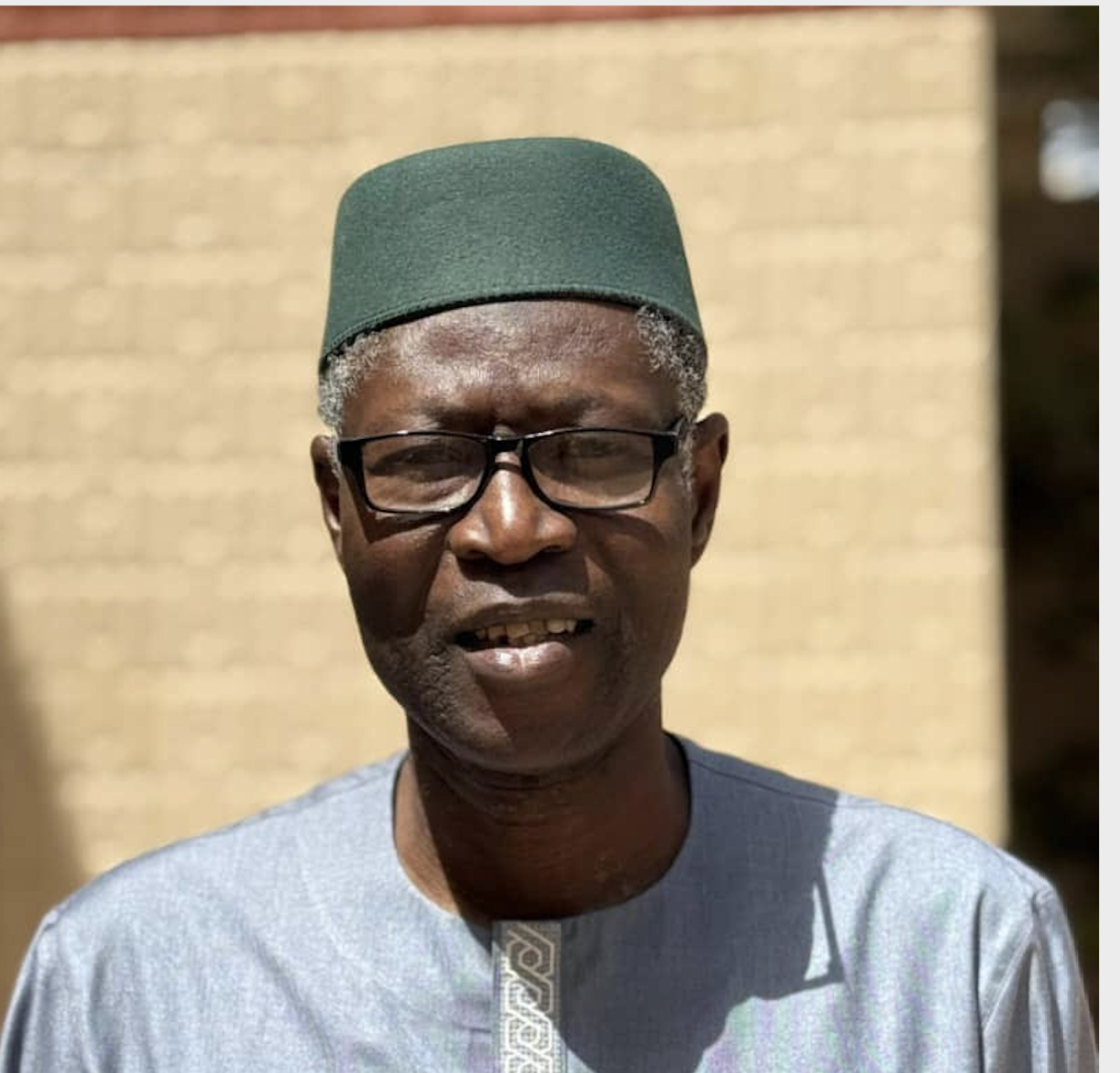
By Professor Amath Ndiaye, FASEG-UCAD
The latest data from the UNCTAD’s World Investment Report 2026 highlights a dramatic reversal of foreign direct investments (FDI) in Senegal. After several years of exceptionally high flows, FDI sharply contracted in 2025.
According to UNCTAD, FDI inflows were:
– 2020: $1.846 billion;
– 2021: $2.588 billion;
– 2022: $2.929 billion;
– 2023: $4.790 billion;
– 2024: $3.319 billion;
– 2025: only $337 million.
Between 2020 and 2024, Senegal attracted $15.472 billion in FDI, averaging $3.094 billion annually. The country had never seen such a level of foreign investment before. This performance is mainly explained by the massive investments made in major oil and gas projects, notably Sangomar and Greater Tortue Ahmeyim (GTA), which required significant spending on construction, equipment, and infrastructure.
In 2025, FDI flows dropped to $337 million, a decrease of nearly 90% compared to 2024. This shift marks the end of an exceptional investment cycle.
This trend is primarily explained by a structural phenomenon. The major oil and gas projects have now entered the production phase. With construction investments largely completed, the need for new foreign capital naturally decreases. Such a decline was therefore partly predictable.
However, this explanation probably does not fully account for the extent of the observed drop. This also occurs in a context marked by the revelation of significant undisclosed public debt commitments between 2019 and 2024. This situation led to a crisis of confidence, the suspension of the program with the IMF, and a deterioration in Senegal’s sovereign risk perception. Although UNCTAD statistics do not establish a direct causal relationship, it is plausible that this context may have delayed or discouraged some foreign investment projects.
The evolution of FDI reminds us of an essential reality: investments related to natural resources, no matter how significant, are often temporary. They peak during the project development phase before declining when production begins.
The real challenge now is to attract more diversified and sustainable investments. Senegal will need to enhance its attractiveness in manufacturing, agro-industry, digital services, renewable energies, logistics, tourism, and infrastructure.
Faced with this situation, it is urgent to implement a credible budget recovery program, restructure public debt to restore sustainability, and conclude a new agreement with the IMF. These three levers are complementary: they will help restore investor confidence, reduce pressures on public finances, facilitate access to external financing, and create conditions for a sustainable return of foreign direct investments.
About Prof. Amath Ndiaye, FASEG-UCAD
Prof. Amath Ndiaye is a prominent Senegalese economist, holding a Doctorate in Economics from Cheikh Anta Diop University in Dakar (2001) and a Doctorate in Development Economics from the University of Grenoble, France (1987). Since 1987, he has been teaching at the Faculty of Economics and Management Sciences at Cheikh Anta Diop University in Dakar. A recognized expert, he has collaborated with prestigious institutions such as the African Development Bank, the World Bank, and the IMF, specializing in areas such as exchange rates, economic growth, and institutional development. He was a member expert of the steering committee of the African Union Commission for the Creation of the African Central Bank. Prof. Ndiaye is the author of numerous influential publications, particularly on exchange rate regimes and economic growth in West Africa. Fluent in Wolof, French, and English.

