



At a time when many African countries are seeking to redefine their relationships with major powers, Zambia offers a particularly revealing case. Long marked by development aid, its ties with the United States now seem to be entering a new phase, more focused on investment, trade, and long-term economic cooperation. In this article, Gregory Tosi argues that this evolution goes far beyond the bilateral framework: it could foreshadow a model of more balanced partnership between Africa and its international partners, based on sovereignty, value creation, and shared prosperity.
By Gregory Tosi
Recent news has focused on disagreements between Lusaka and Washington regarding health aid, critical minerals, and foreign influence in the Zambian mining sector. However, these articles overlook a much more significant development: Zambia and the United States are redefining their relationship around investment, trade, and a long-term economic partnership, rather than traditional development aid.
This shift should concern not only Zambia, but also all African countries aspiring to better control their economic future.
The recent debate sparked by reports that American aid could be conditioned on access to critical mineral resources or sensitive health data from Zambia has raised legitimate questions of sovereignty and national interest. Zambia’s response has been measured but firm: international partnerships are welcome, provided they respect the country’s laws, strategic priorities, and decision-making authority.
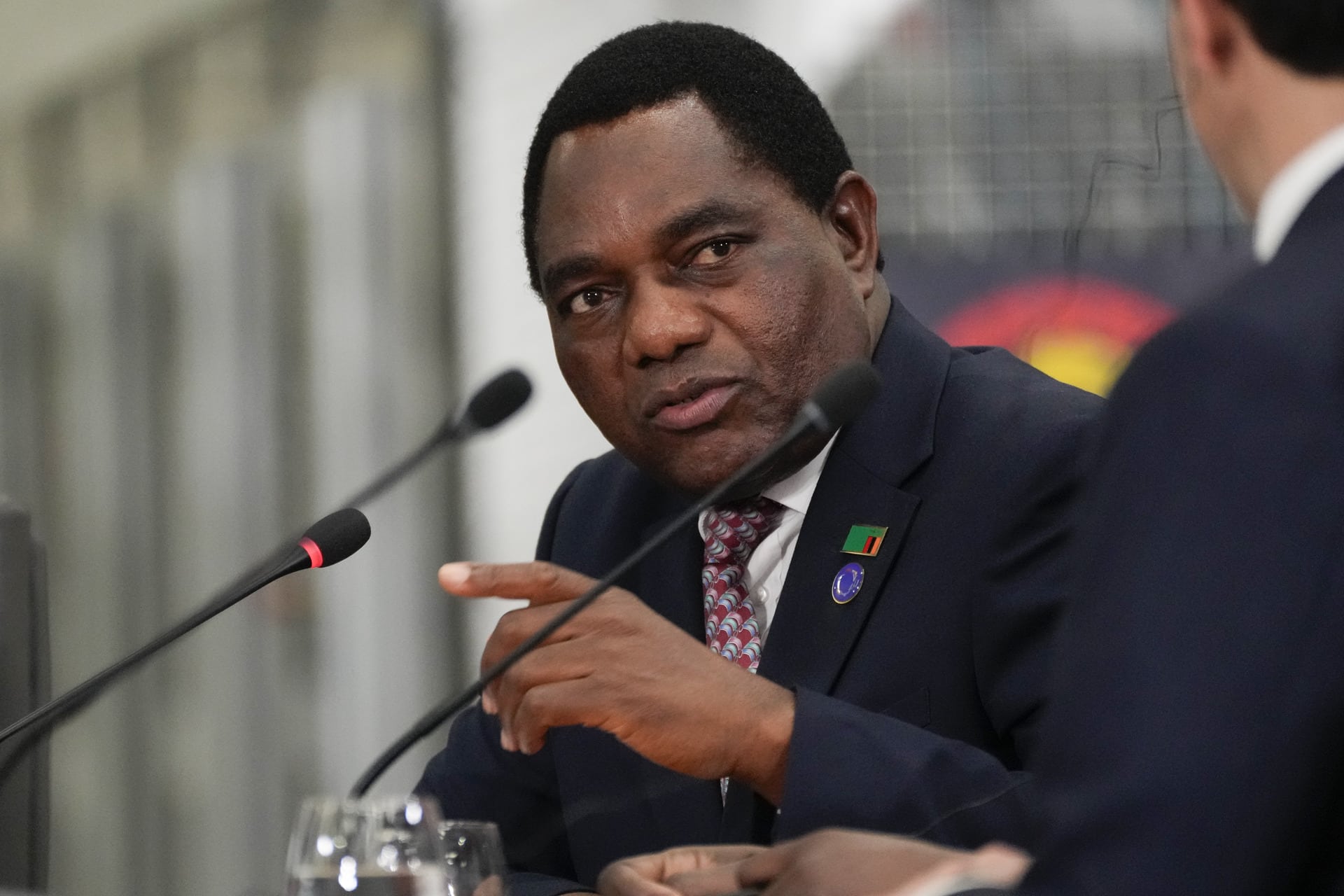
Similarly, and equally important, both governments have worked to prevent these disagreements from escalating into a major diplomatic crisis. The ongoing dialogue between President Hakainde Hichilema, Foreign Minister Mulambo Haimbe, and senior American officials reflects the recognition by both parties of the importance of this relationship.
This is precisely what mature partnerships look like: allies can disagree while continuing to do business together.
The underlying story goes beyond immediate political tensions.
Copper has become one of the most strategic commodities in the world. Demand from electric vehicles, renewable energies, AI-related infrastructure, and advanced manufacturing has placed Zambia at the center of a global competition for reliable access to critical minerals.
Zambia possesses copper and other valuable resources, but the real political question is how to turn these riches into sustainable national prosperity.
The Mingomba project by KoBold Metals, supported by American capital, offers a promising model. By combining cutting-edge technologies, patient capital, and local job creation, this investment demonstrates how foreign capital can support industrial development rather than just raw material extraction.
Other investors seem to share this confidence. Canadian company Makor Resources is reportedly preparing to raise new capital for the IPO of its copper assets in Zambia. These investments enhance Zambia’s growing reputation as one of the most promising African destinations for responsible mining investments.
The recent review of the Zambian mining sector is also instructive. Following the breach of the Sino-Metals copper mine dam in 2025, members of the US House of Representatives visited Zambia to study security and environmental issues. Some observers interpreted this visit through the lens of strategic competition between Washington and Beijing. However, the real issue is governance.
International investors increasingly demand transparent regulation, strong environmental guarantees, and responsible corporate behavior. These requirements ultimately contribute to strengthening Zambia’s competitiveness.
The same principle should apply to all investors. Whether capital comes from the US, China, Canada, Europe, the Gulf, or elsewhere, all companies should operate within a transparent legal framework, adhere to the same environmental standards, and be subject to the same obligations towards local communities. Equal treatment reinforces sovereignty and makes Zambia a more attractive destination for long-term investments.
Trade offers another opportunity. The extension of the AGOA (African Growth and Opportunity Act) until December 2026 ensures Zambia continued preferential access to the American market. However, the country’s long-term success will not depend solely on increasing copper exports. It will also rely on the development of higher value-added activities, agro-industry, and other sectors capable of creating skilled jobs and diversifying exports.
This is the true measure of economic transformation.
The relations between the United States and Zambia have a long history, largely marked by development aid. This chapter is not entirely closed, but it is losing its significance. For Zambia — as for other African nations — a more balanced relationship is now emerging, based on private investment, technology, infrastructure, capital markets, and commercial partnerships.
This evolution holds lessons that go far beyond the Zambian case alone. Across Africa, governments are increasingly favoring investors over donors, technology over dependence, and commercial partnerships over one-time aid. Meanwhile, international investors are seeking transparent institutions, predictable regulation, and governments committed to sustainable economic growth.
If Zambia and the United States can establish this new model, current disagreements could ultimately be seen not as diplomatic setbacks, but as the starting point for a more mature partnership based on mutual respect, shared prosperity, and investment-driven growth.
This would be good news not only for Zambia and the United States, but also for the economic future of Africa.
Gregory P. Tosi is a lawyer based in Washington, D.C., and a former parliamentary assistant. He is currently involved in establishing new businesses and building affordable housing in developing countries. He regularly publishes on political and economic issues concerning these countries.

