



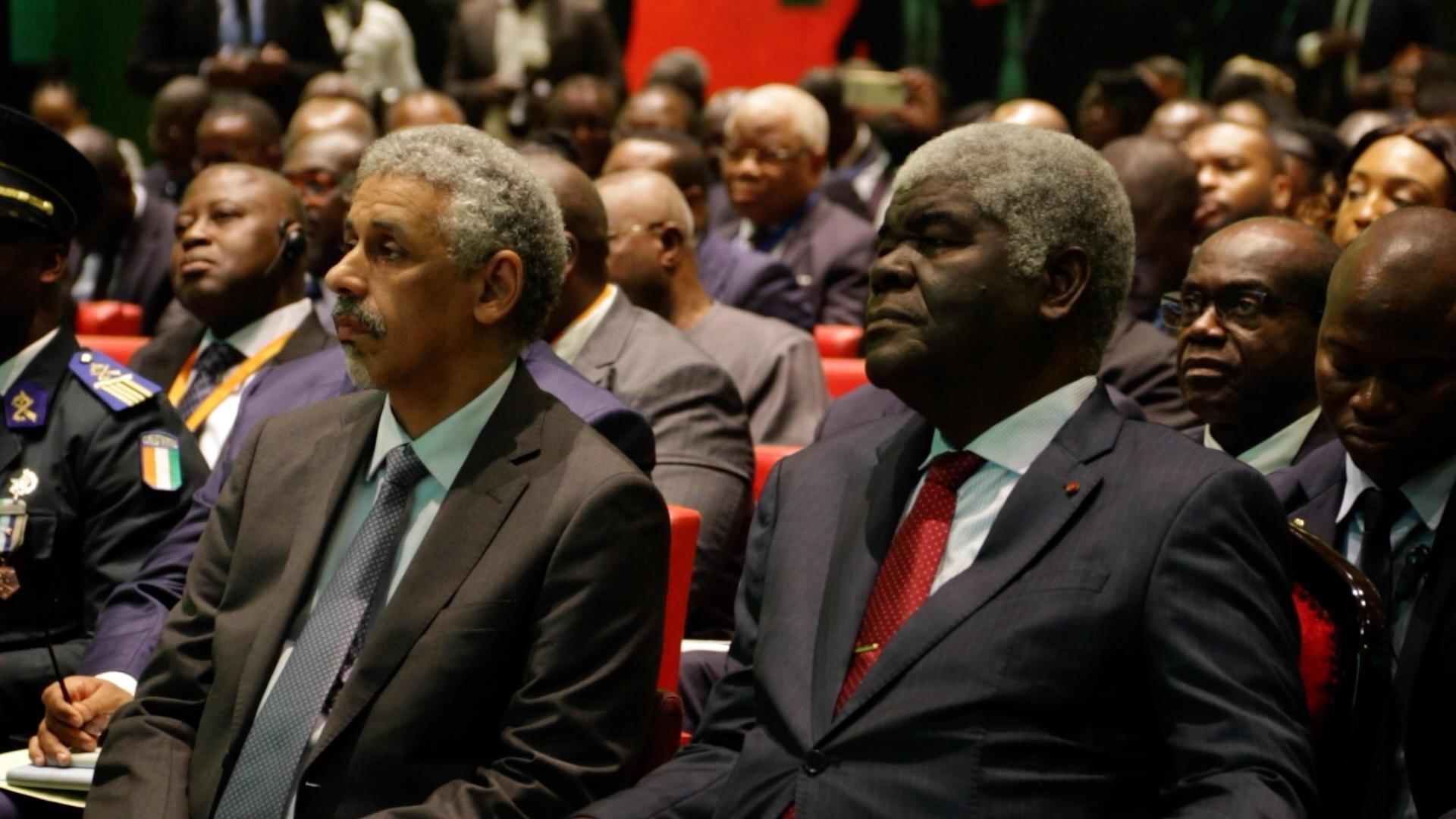
On April 9, 2026, in Abidjan, the African Development Bank Group brought together the entire financial ecosystem of the continent around the New African Financial Architecture (NAFA), with a clear ambition: to transform an abundance of savings into an effective engine for development. Behind the African paradox – more than $4 trillion in domestic savings facing a financing deficit of over $400 billion per year – lies not a lack of resources but a problem of structuring, coordination, and capital allocation.
Placed under the high patronage of Ivorian President Alassane Ouattara and led by the Group’s President, Dr. Sidi Ould Tah, this meeting marks a pivotal moment. Central banks, sovereign wealth funds, commercial and development banks, regulators, stock exchanges, insurers, pension funds, rating agencies, and private equity actors: never has such a wide spectrum of institutions been brought together in a systemic logic around the same architecture.
The diagnosis is now shared: fragmentation of actors, poor risk allocation, low leverage of public and private balance sheets, and a deficit of coordination between domestic and international capital. These are all flaws that NAFA aims to correct by proposing a profound reorganization of financial flows across the continent.
Embedded in the strategic vision known as the “four cardinal points” led by Dr. Ould Tah, NAFA is not intended to be just another conceptual framework, but an operational architecture. The Abidjan Dialogue thus constitutes the first continental meeting explicitly aimed at moving from consultation to execution, from diagnosis to implementation.
In this perspective, the work was structured around nine thematic Labs, organized according to three pillars: system architecture, capital mobilization, and capital deployment. Each working group was designed to produce tangible results – financial instruments, platforms, pilot transactions, or intervention frameworks – to accelerate the transformation of development finance in Africa.
Building on a series of consultations conducted since October 2025 with the main African financial institutions, this dialogue leads to the adoption of the “Abidjan Consensus.” More than a declaration, this consensus marks a shift: that of a continent that now intends to organize the circulation of its capital itself, structure its markets, and have more weight in the global financial architecture.
Watch the video to relive the key moments and announcements of the NAFA Dialogue in Abidjan.

