



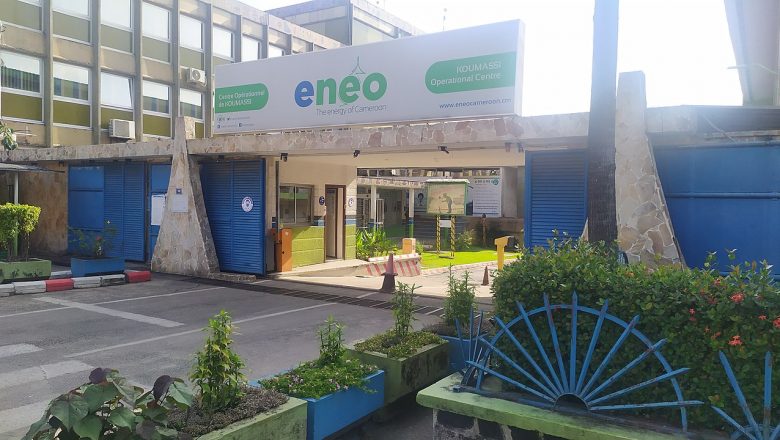
In its latest macroeconomic assessments, the International Monetary Fund (IMF) warns about the growing impact of the state takeover of Eneo Cameroon S.A. on the sustainability of public finances, in a context of increased fiscal constraints. The Bretton Woods institution considers that “this renationalization is now emerging as a factor of budgetary vulnerability.”
Since the privatization of the electricity sector in the early 2000s, Eneo has operated in a structurally imbalanced environment characterized by tariffs below the actual production costs, low collection performance, accumulated arrears, and increasing dependence on subsidies. These weaknesses were then transferred to the state due to the renationalization of the national electricity company. It is now the Cameroonian state that is called upon to directly finance the deficits to ensure the continuity of the service.
A growing budget burden
According to the IMF’s analysis, “the substitution of the State for private investors has increased the budgetary costs of the electricity sector.” Therefore, the international financial institution emphasizes that “maintaining administered tariffs below the profitability threshold requires the Treasury to make recurring financial compensations to support Eneo’s cash flow and prevent supply disruptions.”
The figures illustrate the magnitude of the challenge. The total debt of the concessionaire is around 800 billion CFA francs (approximately 1.4 billion USD), with over 500 billion (nearly 900 million USD) owed to suppliers. Between 2012 and 2023, over 300 billion CFA francs (nearly 540 million USD) have already been mobilized by the state budget to try to stabilize the company. Without reform, this trajectory threatens to permanently weigh down macroeconomic balances.
In addition to direct bailouts, the state bears the burden of costly energy purchase contracts, sometimes independent of the actual electricity consumed. Deficit operating costs inherited from the period of private management also add to the financial strain. This combination absorbs an increasing share of public resources, to the detriment of priority sectors such as education, health, or social infrastructure.
The IMF also points out “a chronic weakness in electricity bill collection.” “This revenue shortfall fuels a vicious circle of permanent subsidies and reduces the overall capacity to mobilize public resources,” explains this financial institution.
An economic and political dilemma
With a budget projected at over 7.3 trillion CFA francs (approximately 13 billion USD) in 2025, Cameroon must prioritize each source of budgetary pressure. Taking on Eneo’s deficits adds to other constraints such as the need for fiscal consolidation, more selective access to financing, and increased demands from international partners.
For analysts, the case of Eneo illustrates the dilemma faced by many African states: preserving a strategic public service through nationalization can ensure continuity, but at the cost of a high opportunity cost for productive and social investment. The IMF advocates for structural reforms, including a gradual adjustment of tariffs towards their actual cost. A sensitive task, where budget sustainability clashes with social acceptability.

