



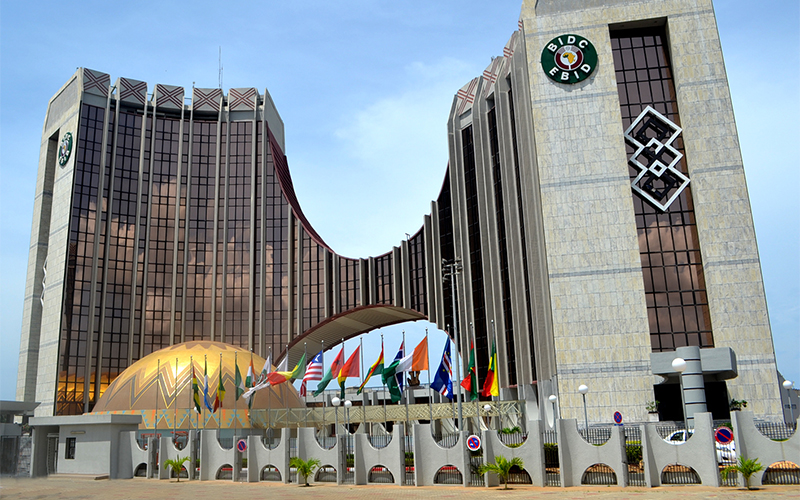
The West African Development Bank (WADB) has approved an amount of USD 266.7 million and XOF 30 billion to support a portfolio of strategic projects in Nigeria, Gambia, Ghana, Senegal, and Ivory Coast. These approvals, endorsed during the 95th session of the Board of Directors held on March 30, 2026, demonstrate the Bank’s ongoing commitment to sustainable, inclusive, and resilient development in the region.
In his opening remarks, the President of WADB and its Board of Directors, Dr. George Agyekum Donkor, highlighted the transformative scope of these new commitments:
“These interventions reflect our ambition to support member states in structuring value-creating projects that are fully aligned with the Sustainable Development Goals. By investing in infrastructure, agro-industry, environmental management, and industrial transformation, we are strengthening the foundations for a more resilient, inclusive, and integrated growth trajectory in West Africa,” said Dr. Donkor.
The diversity of approved projects illustrates WADB’s ability to catalyze high-impact regional initiatives and support the sustainable transformation of its member states:
• Construction of waste management facilities in Lagos, Nigeria (USD 50 million): Implemented as a public-private partnership (PPP), this project aims to strengthen Lagos’ waste management infrastructure, increase the recycling rate to 45%, create over 5,000 jobs, produce 60,000 tons of organic compost per year, and reduce health risks.
• Credit line to BNDE, Senegal (XOF 20 billion): This financing will enhance BNDE’s capacity to support small and medium-sized enterprises (SMEs) and industries, support agricultural value chains, improve access to housing, and promote sustainable employment, especially benefiting women and youth.
• Construction of a tissue paper manufacturing plant in Ghana (USD 15 million): The project involves establishing a production unit of 65 tons per day for the local manufacturing of tissue paper rolls, reducing dependence on imports and supporting industrialization.
• Expansion of G-Farms Ltd. activities in Gambia (USD 10.04 million): This investment will increase poultry and dairy production capacity, enhance food security, and reduce reliance on imported animal products.
• Development of transport infrastructure in Bauchi State, Nigeria (USD 91.63 million): Aligned with the national development plan, this program aims to modernize road infrastructure, reduce logistics costs, improve access to essential services, facilitate the opening of agricultural areas, and integrate climate-resilient construction techniques.
• Construction of the Lagos-Calabar coastal highway, Nigeria (USD 100 million): This strategic corridor, spanning nine coastal states, will enhance national and regional connectivity, reduce congestion, improve logistical efficiency, and boost intra-regional trade.
• Credit line to Afriland First Bank Ivory Coast (XOF 10 billion): This financing aims to support micro, small, and medium-sized enterprises (MSMEs), strengthen the bank’s capacity to finance the real economy, promote productive investments, and foster job creation and inclusive growth.
Collectively, these projects demonstrate WADB’s commitment to strengthening the foundations of long-term economic development in the ECOWAS region, enhancing the region’s competitiveness and resilience, while promoting sustainable and inclusive growth.
About WADB
The West African Development Bank (WADB) is the development financing institution of the member states of the Economic Community of West African States (ECOWAS). Based in Lome, Togo, the Bank finances development projects and programs in the areas of infrastructure, basic social services, rural development, environment, industry, and services. Its interventions take the form of short, medium, and long-term loans, equity investments, credit lines, refinancing framework agreements, as well as financial engineering operations and related services.

