



“Health is not a social expense, it is an investment in human capital”
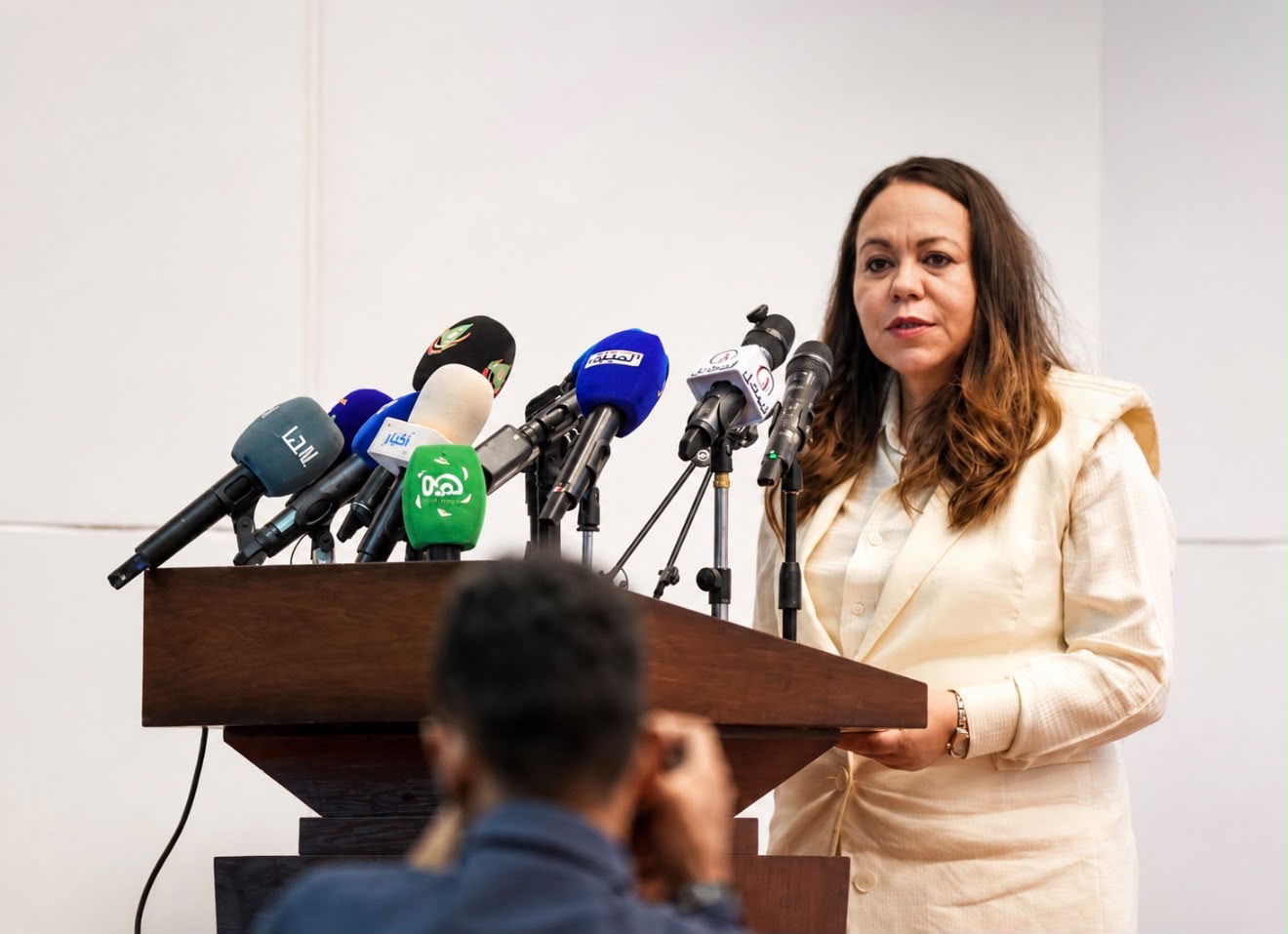
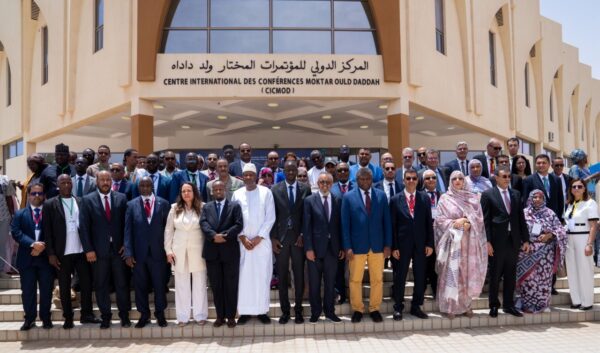
Following the Regional Health Forum held in Nouakchott on July 13 and 14, 2026, Financial Afrik met with Latifa El Bouabdellaoui, Director General of the Islamic Centre for Development of Trade (ICDT), a specialized institution of the Organisation of Islamic Cooperation (OIC) and the main architect of this strategic meeting, conducted in partnership with the Mauritanian Ministry of Health and the Investment Promotion Agency in Mauritania (APIM). This inaugural edition, which brought together a gathering of international decision-makers — including Dr Tedros Adhanom Ghebreyesus, Director-General of the World Health Organization (WHO), and Dr Ahmad Kawesa Sengendo, Deputy Secretary-General for Economic Affairs of the Organisation of Islamic Cooperation (OCI) — has established Nouakchott as a new hub for economic diplomacy in health on the continent. In this exclusive interview, Latifa El Bouabdellaoui reflects on the ambitions of this initiative, the new convergences between health, trade, and investment, as well as the vision carried by the ICDT to develop true health value chains within the OIC space and in Africa.
You organized the Regional Health Forum on July 13 and 14, which was attended by over 1,000 participants. What were its main objectives and to what extent do you consider them to have been achieved?
Our ambition was above all to change the perception of health: it should no longer be seen solely as a social expense, but as a strategic investment in human capital, health security, economic growth, and job creation.
The Forum also aimed to bring together public decision-makers, international organizations, financial institutions, investors, and industrialists around the same table, in order to identify the necessary conditions for the development of more resilient health systems and a more competitive regional pharmaceutical industry.
We particularly wanted to encourage public-private partnerships, strengthen local production of medicines and medical devices, facilitate technology transfers, and promote better integration of health markets within Africa and OIC member states.
Given the exceptional mobilization, the quality of ministerial and technical exchanges, and, above all, the adoption of the Nouakchott Declaration, we can consider that the political and strategic objectives have been largely achieved. However, the true success will be measured in our collective ability to translate this roadmap into concrete, funded, and measurable projects.
The participation of the Director-General of the World Health Organization marked this event. What strong message do you take from his presence and what perspectives does it open up for Mauritania, first and foremost, and for regional cooperation?
The presence of the WHO Director-General gave this Forum a special significance. It sent a very clear message: strengthening African health systems, local production, and pharmaceutical sovereignty are no longer peripheral ambitions, but international priorities.
His commitment also served to remind us that investment must go hand in hand with quality, safety, and regulatory capacity building. It is not enough to produce more; production must comply with international standards, strengthen control laboratories, pharmacovigilance, and market surveillance.
For Mauritania, this high-level presence is a strong signal of recognition and trust. It opens up promising prospects for technical cooperation, mobilization of partners, and implementation of impactful structuring projects. It also reinforces the country’s vocation to establish itself as a privileged space for dialogue, partnership, and convergence between Africa, the Arab world, and OIC member states.
At the regional level, it creates the conditions for closer cooperation around regulatory convergence, preparedness for health emergencies, local production, and the development of safer and more resilient supply chains.
The closer collaboration between the public and private sectors was at the heart of the discussions. How does the ICDT intend to strengthen private sector involvement in the development of health systems?
The private sector should be considered as a full partner in health policies. The needs for infrastructure, pharmaceutical production, medical equipment, logistics, and digital solutions are considerable. Public resources alone will not be able to meet all these needs.
The role of the ICDT is precisely to create bridges between governments, investors, financial institutions, and companies. We intend to continue identifying bankable projects, facilitating meetings between project developers and financial partners, and supporting the structuring of industrial partnerships at the regional level.
We also aim to promote more suitable financing mechanisms for the health sector, including innovative financing, impact investment platforms, and alliances between development banks, institutional investors, and private operators.
However, mobilizing the private sector also requires a favorable environment: clear regulations, smoother procedures, better market visibility, and sufficiently stable public policies to secure long-term investments. The ICDT will continue to work with member states and partners to advance these various initiatives.
Technology transfer is presented as an essential lever to strengthen health capacities in Africa. What concrete mechanisms were discussed during the Forum to accelerate this process?
Technology transfer cannot be limited to equipment acquisition. It must include skills transfer, training, research, mastery of industrial processes, and strengthening regulatory capacities.
Several approaches were highlighted during this Forum. The first is to develop industrial partnerships between African companies and companies with advanced technological expertise. These partnerships should promote local production of essential medicines, vaccines, medical devices, diagnostics, and eventually pharmaceutical raw materials.
The second approach involves the creation and strengthening of regional centers of excellence, involving universities, research centers, companies, and public institutions. These structures can play a central role in training researchers, engineers, healthcare professionals, and regulatory authorities.
Finally, the Forum emphasized the importance of digital transformation, biotechnology, artificial intelligence, and South-South scientific cooperation. Technology transfer must therefore be conceived as a sustainable partnership, allowing beneficiary countries to gradually develop their own innovation and production capacities.
What are the main recommendations or decisions arising from these two days of work, and what will be the next steps for their implementation?
The main political achievement of the Forum is the adoption of the Nouakchott Declaration, which establishes a common roadmap around several priorities.
This includes recognizing health as a strategic sector for investment and growth, accelerating regional integration of pharmaceutical markets, strengthening national regulatory authorities, and promoting regulatory convergence among states.
The Declaration also calls for the development of a competitive pharmaceutical, biotechnological, and medical industry, mobilization of innovative financing, support for public-private partnerships, and strengthening supply chain resilience. It also gives central importance to training, research, digital health, and local innovation.
A monitoring mechanism has been planned, with the organization of periodic meetings and the preparation of reports on progress. The next step will be to transform these guidelines into an operational program specifying priority projects, responsibilities of each partner, necessary funding, implementation schedules, and result indicators.
The ICDT, alongside the OIC, WHO, Islamic Development Bank, African Development Bank, AUDA-NEPAD, African Medicines Agency, and other partners, will actively contribute to maintaining this momentum and ensuring the transition from strategy to action.
Mauritania hosted this regional meeting. How is this Forum a strategic opportunity for the country and its positioning in the health sector in Africa?
Hosting this Forum is an important opportunity for Mauritania, both institutionally and economically. By bringing together ministers, leaders of international organizations, financial institutions, professional federations, and investors in Nouakchott, the country has demonstrated its capacity to host and lead a high-level regional dialogue.
The Forum also helps to further highlight the investment opportunities offered by Mauritania in healthcare infrastructure, pharmaceutical industry, medical devices, logistics, training, and health services.
With its geographical position and its relations with various African, Arab, and Islamic spaces, Mauritania can become a platform for cooperation, production, and distribution in the health sector. It can also play a role as a bridge in the development of more ambitious South-South partnerships.
The adoption of the Nouakchott Declaration further reinforces this symbolic and strategic dimension. It now associates the name of the Mauritanian capital with a new regional dynamic in favor of investment, innovation, and health sovereignty.
What message would you like to send to technical and financial partners, as well as private sector actors, to maintain the momentum created by this Forum and to translate commitments into concrete actions?
The message I want to convey to them is a message of mobilization, but also of collective responsibility.
The needs are clearly identified, the priorities are now shared, and a common roadmap has been adopted. Therefore, we must move beyond the stage of intentions and commit to structuring concrete, viable, and sustainable projects.
To technical partners, we ask them to continue supporting capacity building, regulation, training, research, and preparedness for health emergencies. To financial institutions, we ask them to design instruments better suited to the realities of the pharmaceutical industry and African health systems. To companies and investors, we call on them to invest in local production, industrial partnerships, technology transfers, and regional value chains.
The ICDT will remain fully committed to facilitating these partnerships, bringing actors together, and contributing to the transformation of commitments made in Nouakchott into concrete results for our populations.
Our conviction is clear: investing in health is investing in the stability, competitiveness, and future of our countries. Nouakchott should not be the end of a process, but the starting point of a new regional dynamic.
The commitments related to regulatory convergence, local production, innovative financing, technology transfer, and the periodic monitoring mechanism are directly taken from the Nouakchott Declaration.

