



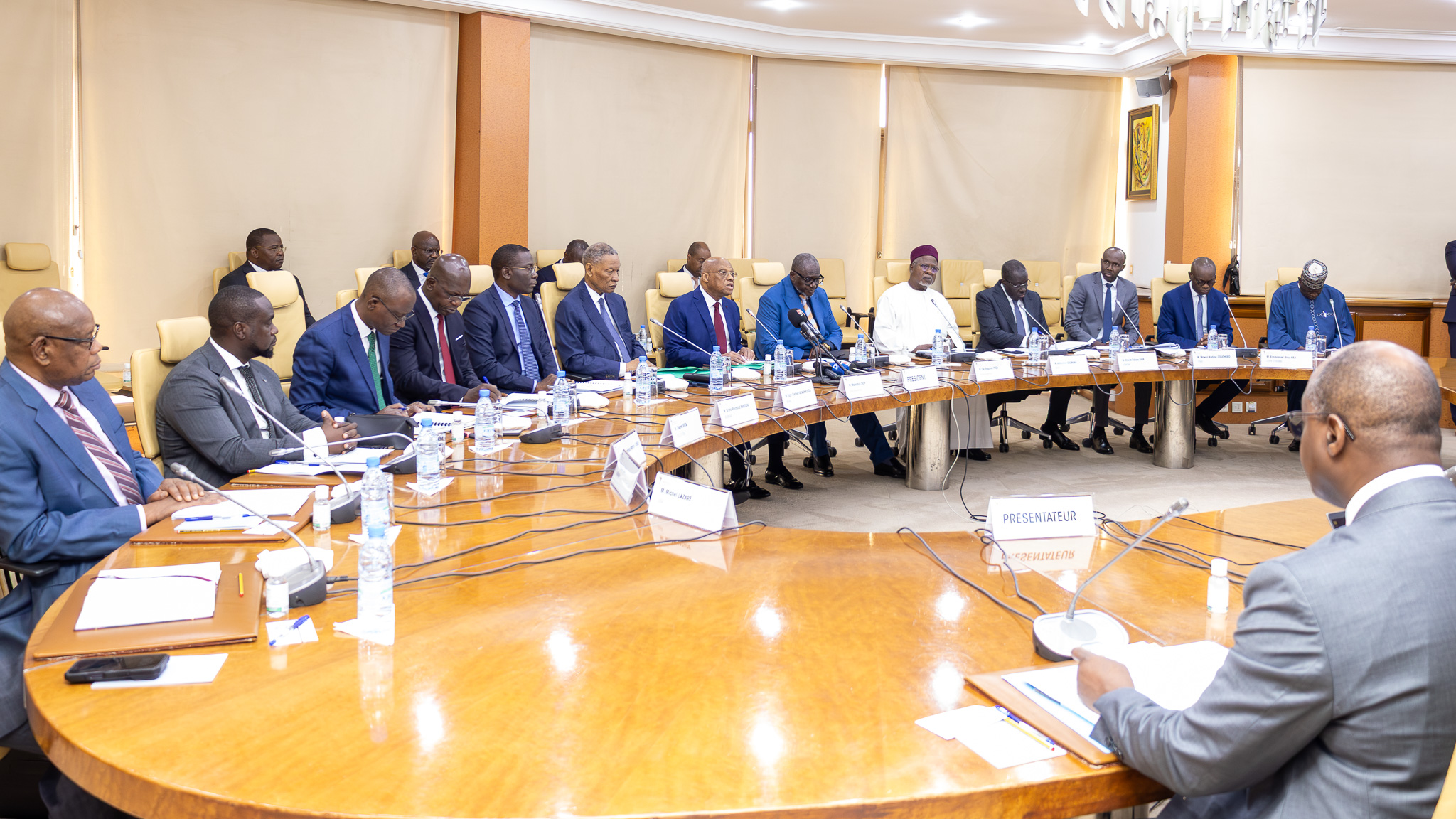
The Monetary Policy Committee (MPC) of the Central Bank of West African States (BCEAO), meeting on June 10, 2026 in Dakar, decided to keep its key interest rates unchanged. The minimum rate for liquidity injection operations remains at 3%, while the marginal lending facility rate is maintained at 5%. The reserve requirement ratio for credit institutions in the Union also remains unchanged at 3%. These levels have been in effect since March 16, 2026.
This decision is based on the analysis of recent developments in the global and regional economic environment, inflation outlook, growth dynamics, and external situation of the West African Economic and Monetary Union (UEMOA).
Inflation, still contained but under surveillance
Internationally, economic activity remained relatively strong in the first months of 2026. However, persistent tensions in the Middle East continue to fuel uncertainties, particularly through rising energy prices and increased maritime transport costs.
In the Union, inflation was -0.2% in the first quarter of 2026, after -1.3% in the previous quarter. For the whole year, it is expected to reach 1.6%, mainly due to the expected increase in energy prices and certain imported food products.
The Committee nevertheless highlights a major risk: an escalation of geopolitical tensions could lead to a more pronounced increase in oil prices, with direct repercussions on consumer prices in the Union.
Solid growth in an uncertain environment
Economic activity continues to show resilience. Real GDP growth is estimated at 6.1% on an annual basis in the first quarter of 2026, after 6.5% in the previous quarter. This performance is driven by the dynamism of all sectors, particularly extractive and manufacturing industries, as well as the positive results in the agricultural sector.
Economic financing remains well-oriented. Private sector credit increased by 4.04% at the end of March 2026. For the whole year, Union economic growth is expected to reach 6.1%, after 6.5% in 2025.
Externally, the situation improved in the first quarter, driven by the growth in oil, gold, and cocoa exports, as well as the increase in external resources mobilized by member states.
In the face of an uncertain international environment, the Monetary Policy Committee reaffirmed its vigilance and indicated that it would continue to closely monitor the evolution of inflation risks. It stands ready to take, if necessary, appropriate measures to ensure the monetary and financial stability of the Union.

