



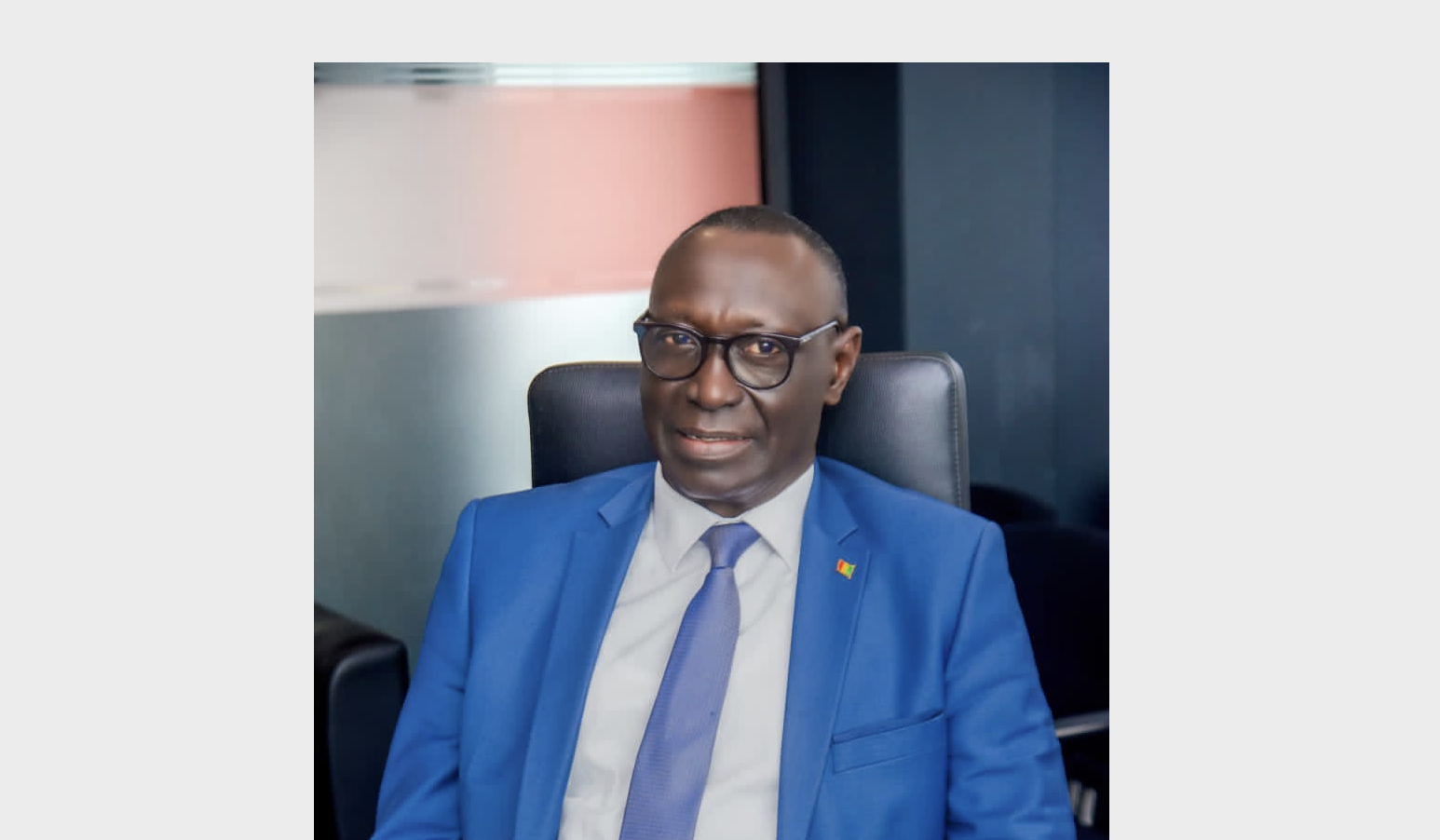
By Abd’El Kader NDIAYE, President of CNES
Senegal talks about sovereignty. Senegal talks about rebuilding. But Senegal forgets its businesses. Since the advent of the new regime, one observation is clear: public authorities are neglecting the private sector at all levels of the hierarchy. This silence is all the more deafening as the current situation demands attention. Economic operators are facing, alone, a triple burden: the state’s domestic debt, whose payment promises pile up without follow-up; social unrest, fueled by the non-compliance with the commitments of the National Pact for Social Stability; and the total lack of visibility for our businesses and industries.
This situation is the result of an accumulation of unresolved crises: the aftermath of Covid-19, the riots and social instability from 2021 to 2024, the constant election campaigns since 2024, and the handling of the “hidden debt” affair that has eroded the confidence of investors and donors. However, these vital economic urgencies are being pushed to the background. The public space is saturated with often sterile political debates, while the productive apparatus suffocates. It must be said with seriousness: Senegal is going through a persistent economic crisis. This crisis risks being exacerbated by a political crisis which, if nothing is done, will lead to an institutional crisis with unpredictable consequences for the Nation. The sincerity of the political will towards economic and social progress is now in question.
The most glaring symbol of this downgrade: national consultations. The economic stakeholders, legitimate components of the State, have been deliberately excluded. How can we understand that in the midst of a crisis, the consultations of Tabaski 2026 did not give top priority to economic issues? Let us remember an obvious fact: it is private companies that invest, create national wealth, generate more than 90% of jobs and train our youth. In 2024, the private sector accounted for more than 85% of productive investment. Ignoring it is sabotaging the recovery.
Faced with this dialogue of the deaf, employers’ organizations are changing their stance. If the consultation frameworks are ineffective, then the economic debate will take place in the public square. If the State chooses unilateralism with international financial institutions, the private sector will assume its responsibilities and interact directly with technical and financial partners. The mobilization of employer forces is underway. A press conference will be held on June 18, 2026 in Dakar to present our diagnosis and proposals. We are not in protest. We are forces of proposals. We reiterate our commitment to actively contribute to the crisis exit, provided that the status of the private sector is respected. There will be no economic sovereignty without strong companies and industries. There will be no recovery without trust. The time for speeches is over.

