



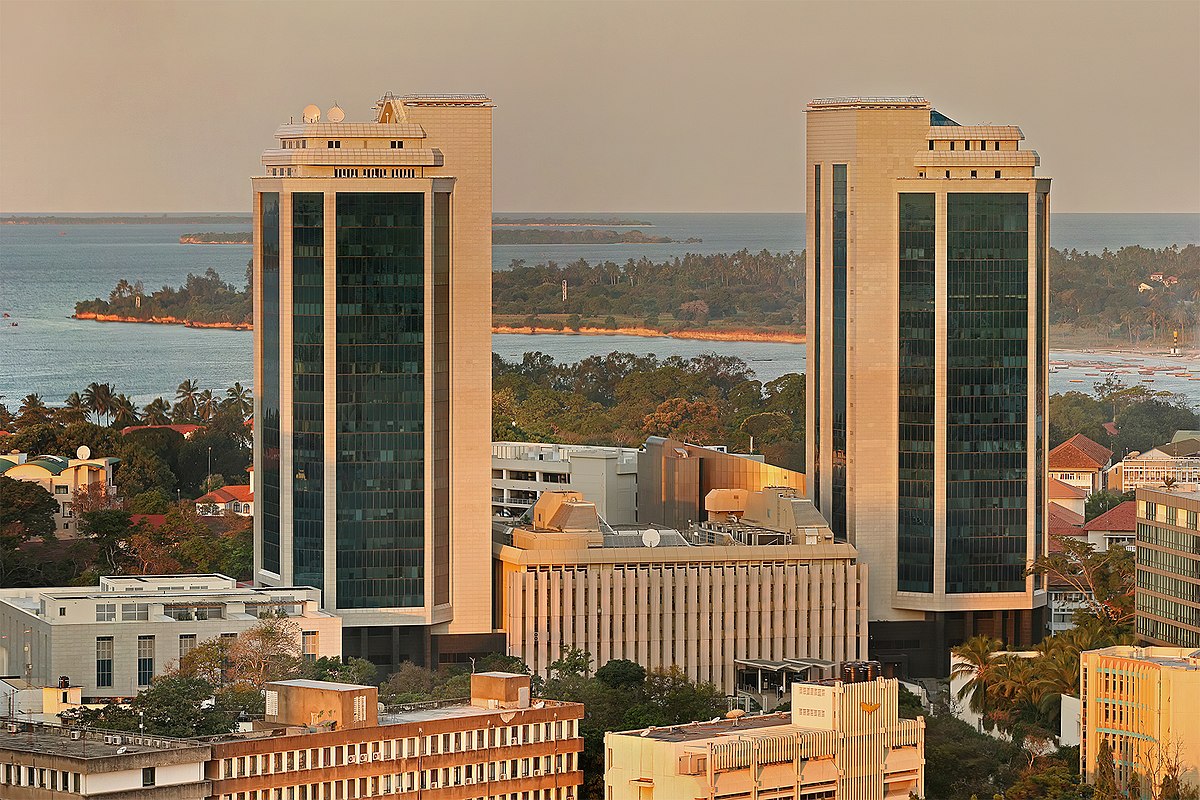
By keeping its key rate at 5.75% for the quarter ending in June 2026, the Bank of Tanzania confirms a cautious monetary policy aimed at preserving the balance between inflation control and support for economic activity. This decision comes in a context marked by an expected GDP growth of 6.1% in the second quarter, after 6.2% in the first, indicating a slight slowdown in an still uncertain international environment.
According to the monetary policy statement published in April, this resilience is based on several strong fundamentals. Favorable rainfall continues to support agricultural production, while accommodative fiscal policy, strong performance in the mining sector, and stability in energy supply contribute to maintaining economic dynamism. In addition, a satisfactory level of business confidence is reported, as evidenced by a survey of executives conducted in March 2026.
In this context, the current monetary policy is expected to support a sustained increase in credit to the private sector, with growth exceeding 20% on an annual basis. However, monetary authorities acknowledge that the outlook remains dependent on the evolution of the global economy, although the effects of external shocks should remain limited thanks to the increasing diversification of the Tanzanian economy. In Zanzibar, a semi-autonomous Tanzanian archipelago in the Indian Ocean, growth is expected to reach 6.6% in the second quarter of 2026.
On the price front, inflationary pressures remain generally contained, despite international tensions related to geopolitical developments in the Middle East. Domestically, abundant food supply, supported by favorable weather conditions, as well as exchange rate stability, backed by adequate foreign exchange reserves, should help contain inflationary pressures.
Inflation in mainland Tanzania is projected to be 3.4% in the second quarter of 2026, within the target range of 3% to 5% set by the authorities. In Zanzibar, however, it is expected to be around 5.4%. In this context, maintaining the key rate at 5.75% appears to be a compromise aimed at limiting inflation risks without disrupting the growth momentum.
At the same time, the Bank of Tanzania has decided to tighten its monetary policy range, reducing it from ±200 to ±150 basis points around the key rate. This measure aims to improve the transmission of monetary decisions and to more closely align the seven-day interbank rate (IBCM) with the reference rate. From now on, central bank operations will seek to maintain this rate within a range of 4.25% to 7.25%, illustrating the authorities’ commitment to enhancing the effectiveness of the monetary framework and strengthening the credibility of their economic policy.

