



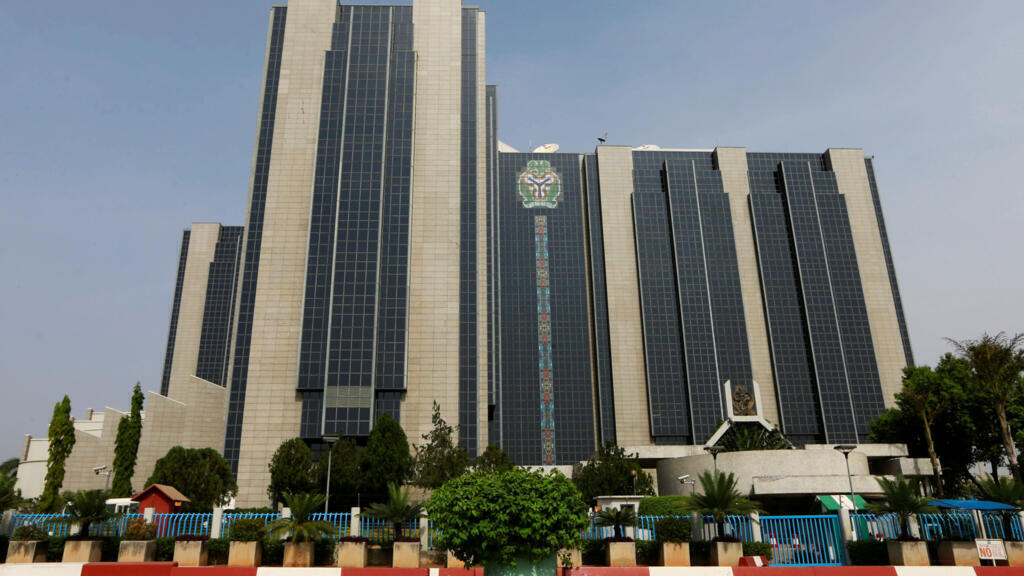
The Central Bank of Nigeria has announced the completion of its banking sector recapitalization program, launched in March 2024, stating that institutions have raised a total of 4,650 billion nairas ($3.1 billion) over a period of two years.
According to the regulator, 33 banks have met the new minimum capital requirements, while a limited number of institutions remain subject to regulatory and judicial monitoring. The central bank clarified that the entire system remained operational during the process.
The recapitalization aimed to strengthen the banking sector’s capacity to absorb shocks and support economic financing in a context of macroeconomic volatility and pressure on the currency.
“The recapitalization program has strengthened the capital base of Nigerian banks, enhancing the resilience of the financial system and ensuring that it is well positioned to support economic growth and withstand internal and external shocks,” said Olayemi Cardoso, CBN Governor.
The funds raised mostly come from domestic investors (72.55%), with the remaining raised from international markets, according to the CBN.
The regulator indicated that capital adequacy ratios have been raised above international standards, with thresholds set at 10% for regional and national banks and 15% for those with an international license.
The central bank has also tightened its prudential framework, introducing increased requirements for stress testing and capital buffers to consolidate the gains from recapitalization.
This operation comes as Nigeria seeks to restore confidence in its financial system and boost credit to the private sector, in an environment marked by high inflation and persistent external imbalances.

