



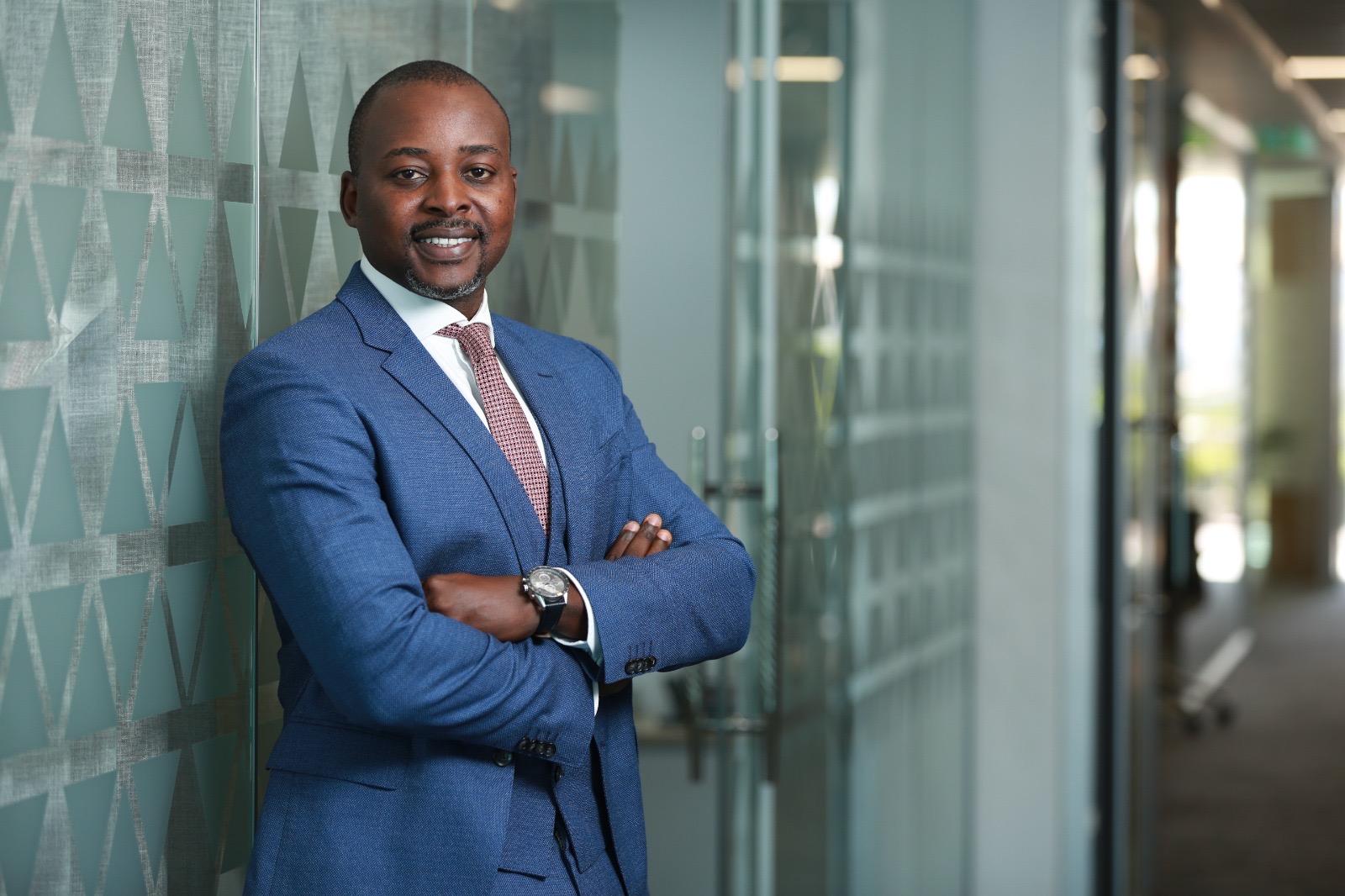
By Kader Hassane, Executive Director, Africa50 Mobility
Africa’s governments hold a largely untapped source of capital for new infrastructure: the roads, bridges, ports, airports and power networks already operating across the continent. In Senegal alone, a recent government inventory found that 40% of public assets could be recycled. Faced with a hard choice between funding social services and taking on more sovereign debt, governments can use asset recycling to unlock this value. They lease mature, revenue-generating assets to experienced operators and long-term investors for a defined period, keep ownership, and reinvest the proceeds in new infrastructure.
For investors, this is an investable asset class today: built, operating assets with contract-backed revenues and no construction risk, giving pension funds, insurers and other long-term investors a direct route into African infrastructure at scale. Governments gain fiscal room, local contractors and suppliers gain work, and citizens get infrastructure that performs. The story that follows is illustrative: the finance minister is a composite character, but the choices she faces are real.
The hidden opportunity in Africa’s mature assets
It’s nearly midnight in a finance ministry on Africa’s West Coast. The building has long since emptied out, but one office light is still on.
The finance minister is running the numbers, hoping to find a way to make them work: the raise her teachers have been promised for two budget cycles running, the doctors her health ministry has begged her to hire since the last disease outbreak, and the sea wall a fishing town urgently needs before the next storm surge takes the primary school with it.
There isn’t enough money for all three. There rarely is.
So, she does what finance ministers have always done. She picks two and starts drafting the memo explaining why one has to wait.
Then a colleague drops one more file on her desk: a routine maintenance report. It reminds her that a bridge on the north coast, opened a decade ago, has been quietly bleeding money ever since. Toll booths are still staffed manually. Traffic never hit the projections in the feasibility study. Maintenance keeps getting deferred because there’s no line for it in the budget.
She doesn’t need a new bridge. She just needs the one she already built to actually work.
A continent’s ledger, not just one country’s
Her spreadsheet is not a local problem. It is Africa’s problem: roads, bridges, and airports that were financed at real cost and now sit undercapitalized, inefficiently run, and earning far less than they could; not because they were badly built, but because public budgets are stretched too thin to properly maintain them. At the African Development Bank’s 2026 Annual Meetings, ministers and investors examined how existing public assets could finance new infrastructure.
The result is infrastructure that quietly underperforms. Corridors move goods at a snail’s pace. Airports constrain trade instead of enabling it. And every year those assets limp along instead of accelerating long-term growth and development. Governments are pushed back toward the same old lever: borrow more and hope the next generation can pay it down. But that lever is wearing out. Each additional loan deepens an already heavy debt-service burden, crowding out spending on health, education, and the very infrastructure it was meant to fund.
Even where fiscal math might still work, the political math doesn’t. Gen Z protests across the continent have made it clear: young people expect their Governments to invest in their future, not to saddle them with debt they didn’t sign up for.
The structure nobody had built yet
Bold new thinking is needed to meet this moment. For years, the assumption was that African infrastructure couldn’t attract long-term private capital; that investing on the continent carried a perceived risk premium the returns couldn’t clear, not when comparable risk-adjusted returns looked easier to find elsewhere. Senegal’s Autoroute de l’Avenir tells a different story. West Africa’s first toll motorway built under a public-private partnership reached financial close on its expansion with a EUR 46 million commitment from the Emerging Africa Infrastructure Fund, building on an earlier phase that had already mobilized $134 million in private capital. That is an established PPP attracting expansion finance, rather than a government recycling a publicly owned asset.
Indiana offers a different model, monetizing an existing state-owned asset. In 2006, the state leased its aging, half-century-old toll road to a private consortium for 75 years in exchange for an upfront payment without raising new sovereign debt. The state used the proceeds to fund a 10-year, statewide highway construction program, and still retired $225 million of the road’s own outstanding debt in the process.
That structure is called asset recycling: governments cede mature assets to private operators under long-term agreements and receive a substantial upfront payment against future cash flows, funding new priority projects without necessarily adding sovereign debt, depending on the transaction terms
Choosing a model that works
Governments have a range of options to suit their specific needs. A long-term concession or lease keeps the state as owner while handing day-to-day operations to a private partner for 20 to 30 years. A partial or full divestment transfers equity, sometimes a majority stake, in exchange for a bigger check upfront to invest in new infrastructure. The proceeds should be ring-fenced for identified infrastructure priorities, with their use publicly reported.
Asset-backed securitization turns predictable toll revenue into a tradable instrument without giving up operational control at all. And infrastructure investment trusts pool several assets into one listed vehicle, giving pension funds and insurers a liquid way to hold infrastructure as an asset class. The right model depends on what a government is optimizing for: control, capital, or market depth.
What it looks like when it works
The Senegambia Bridge in The Gambia shows the concession model in practice, closing the same deferred-maintenance gap the finance minister found on her desk. Asset ownership never changed hands. Africa50, through the Transgambia Bridge Company, took over operations and maintenance of the 942-meter crossing under a long-term concession. The Gambia government retained ownership of the asset and took a 12.5 percent equity stake in the operating company itself.
Since the 2024 concession, bridge maintenance and traffic management have improved significantly. Tolling is now digitized. An automated weighing station and an upgraded control room are in place. The upgrade work also creates opportunities for local contractors and suppliers. The government retains ownership while drawing on specialist operations and maintenance.
Back to the Ministry
Picture that same finance minister a year later. The report on her desk this time isn’t about a bridge losing money; it’s a term sheet. A private operator is offering to take over her bridge on the north coast: the state keeps the asset, takes an equity stake, and banks an upfront payment against toll revenue.
She signs it. And the memo she drafts next isn’t the one explaining what has to wait. It’s the one approving the sea wall, the doctors, and the raise; paid for by a bridge that was, it turns out, already there all along.
Africa doesn’t need to borrow its way to a stronger balance sheet. It needs to leverage the infrastructure it has already built. For governments, that is fiscal relief without new debt. For institutional investors, it is an operating, contract-backed platform for long-term capital. For the people who cross that bridge every single day, it is infrastructure that works the way it was always meant to. These assets already exist on the continent. It’s time for them to work for the communities that depend on them.

