



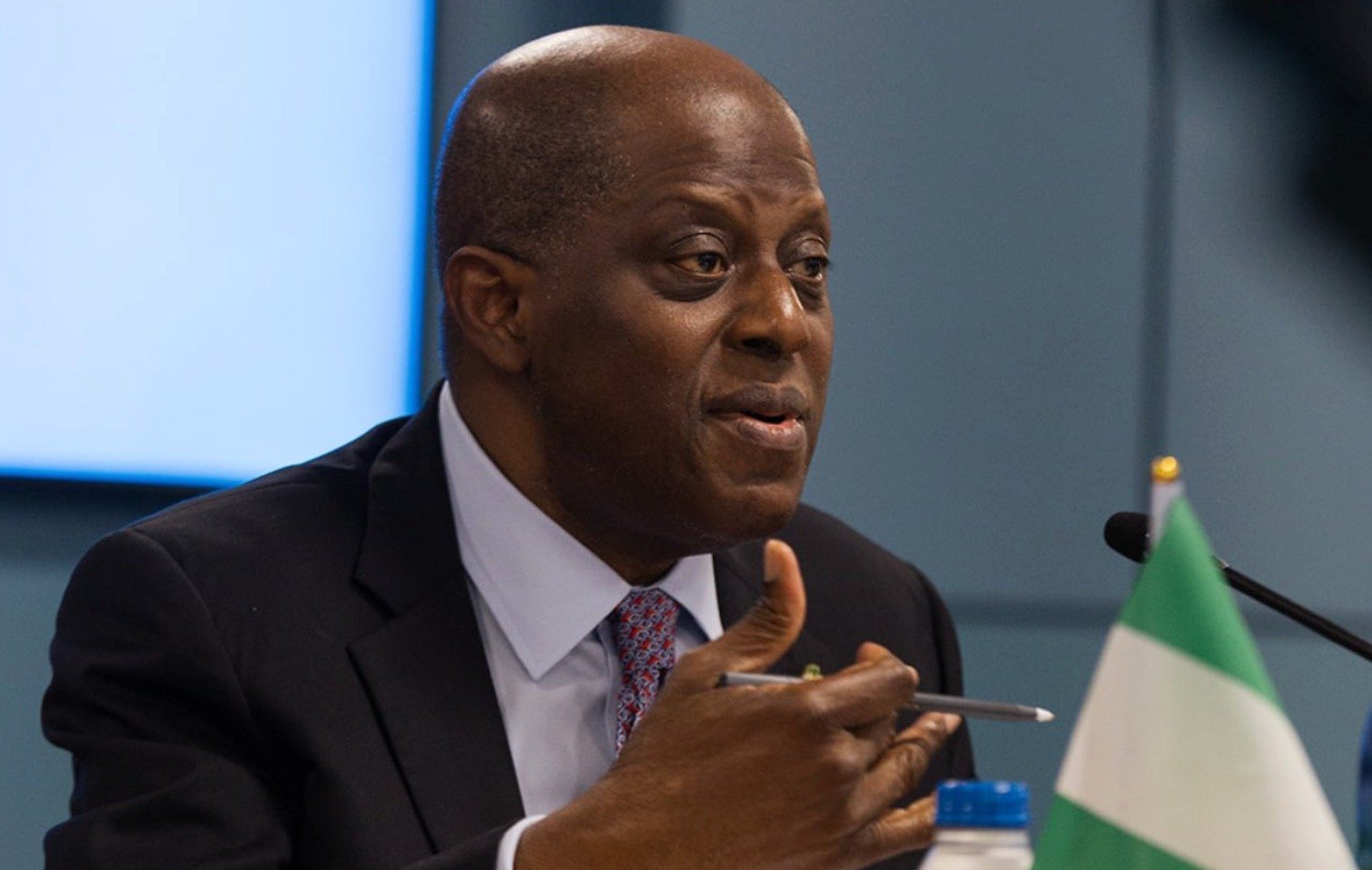
The Central Bank of Nigeria (CBN) has called on commercial banks to take advantage of recent reforms to increase monthly diaspora transfers to $1 billion by the end of 2026, amidst improving financial conditions and ongoing economic reforms.
At the spring meetings of the International Monetary Fund and World Bank in Washington, CBN Governor Olayemi Cardoso emphasized the need to streamline official transfer channels, still hindered by high costs and operational delays.
For the Central Bank, the issue goes beyond simply mobilizing currencies. It involves sustainable growth in remittances that would strengthen reserves, stabilize the naira, and reduce the country’s vulnerability to external shocks.
At the same time, Cardoso highlighted the initial effects of the reforms, including slowing inflation, stabilizing the foreign exchange market, and improving monetary policy transmission. Signals that he interprets as a gradual return of investor confidence.
Banking authorities also highlight the recapitalization of the banking sector, which raised approximately 4.65 trillion nairas ($3 billion), with mostly local participation but also significant foreign interest. An operation presented as a test of the Nigerian financial system’s strength.

