



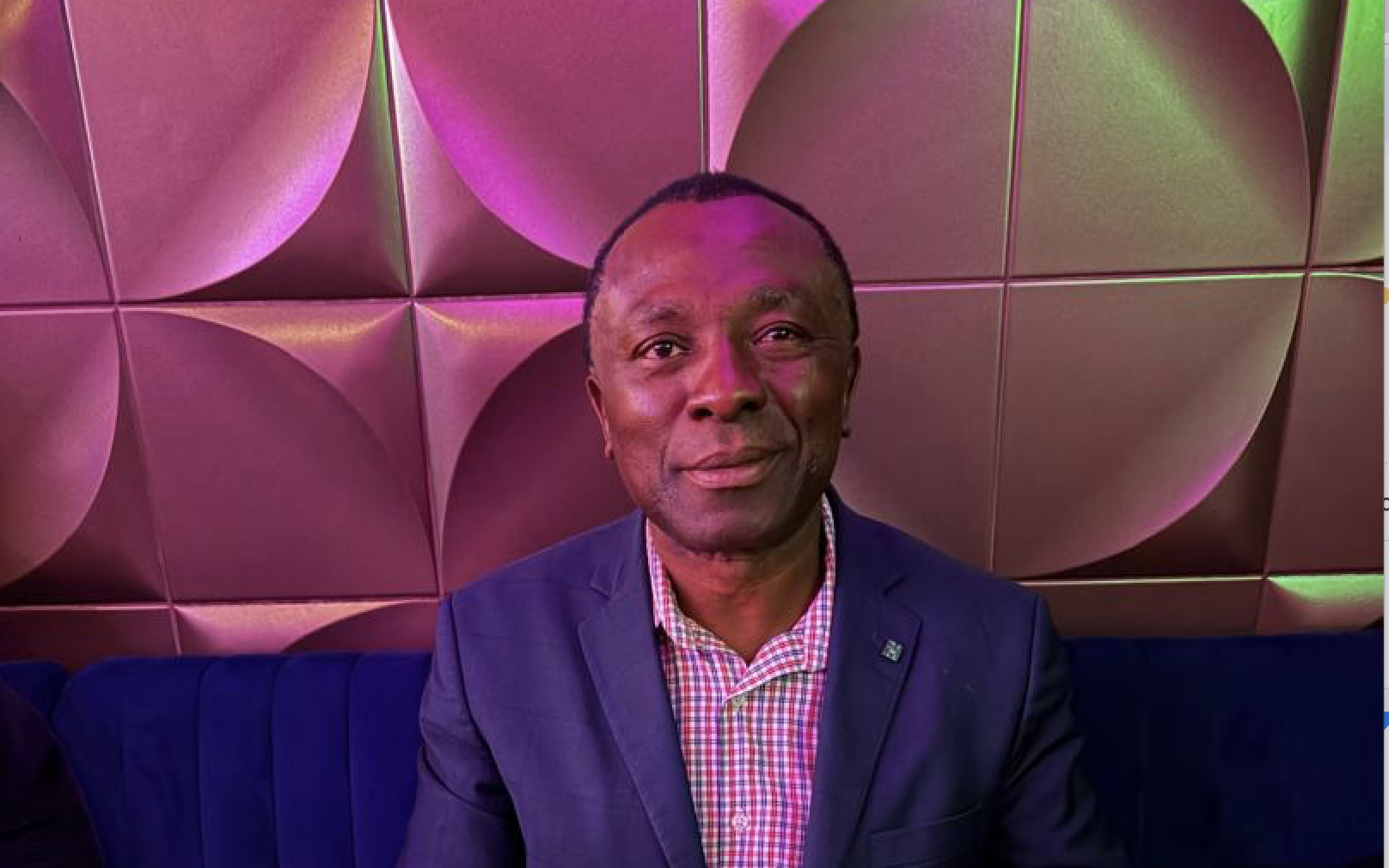
By Kenneth Johnson, President of the Europe-Africa Committee and the International Organization of Merit
The recent decision of the African Football Confederation (CAF) to cancel Senegal’s victory on the green carpet in the 2025 Africa Cup of Nations, played in 2026, has sparked deep and legitimate emotions across the African continent and beyond. This decision comes after a competition followed by billions of spectators, where several key moments, especially during the final, were widely discussed for their arbitrary nature.
These images and actions remain etched in the collective memory and fuel a real sense of frustration and injustice. This is not simply a matter of perception: football, as a universal sport, is based on trust and respect for the rules. However, respect for the rules cannot ignore the legitimacy of the feelings and observations of millions of fans. A decision that does not take this dimension into account risks weakening the credibility of sports bodies and undermining public trust. Senegal, a nation respected for its commitment to sporting values, has a clear and legitimate path: official recourse to the competent authorities. This appeal, conducted in accordance with procedures, should aim to seek a transparent sporting truth that reconciles the institutional framework and the sense of fairness felt by the international community. Appealing is not just a right: it is a duty towards the integrity of sport, the honor of the country, and social peace.
Recent history demonstrates that sporting disputes can quickly go beyond the field. Local, national, or even interstate tensions can arise from decisions perceived as unjust, and in extreme cases, these tensions can lead to regrettable, sometimes tragic, confrontations. No sporting result, no administrative decision, can justify such excesses. It is therefore imperative that all parties show restraint, dialogue, and responsibility. The principle of fair play is not limited to players: it involves all football stakeholders – leaders, institutions, supporters, and media. Decisions must be made rigorously, but also with an awareness of their impact and a constant concern for transparency and fairness. The stakes go beyond the score of a match or the awarding of a title; it is about preserving the image of African football and its unifying role.
I therefore call on the CAF and all stakeholders: the path of justice, transparency, and appeasement is the only one that allows the reconciliation of institutional legitimacy and popular perception. The decision to review the situation through an official, peaceful, and constructive appeal will strengthen the confidence of players, supporters, and international observers in African football’s ability to regulate its disputes with fairness and respect for the rules. Beyond this controversy, it is a vision of sport based on fairness, responsibility, and peace that we must promote. Senegal, true to its values, will act with dignity, rigor, and a sense of responsibility, thus setting an example of a nation that defends sporting justice while preserving unity and fraternity among peoples.

