



The Rwandan Parliament approved, on April 13, 2026, a series of laws authorizing the ratification of loans totaling more than 628 billion Rwandan francs (Frw), or approximately 430 million USD. These funds aim to accelerate the structural transformation of Rwanda’s economy. The mobilized resources will mainly be used for the development of the energy sector, the creation of inclusive jobs, and the improvement of transportation and tourism infrastructure. They are part of the government’s strategy for sustainable growth and upgrading of public services.
According to Kabera Godfrey, Secretary of State at the Ministry of Finance and Economic Planning in charge of Public Finances, the largest financing is a loan of approximately 367 billion Frw, or nearly 251 million USD. This loan is jointly provided by Standard Chartered Bank and Société Générale, with a guarantee from the World Bank. It will be repaid over 15 years, with a grace period of six years.
A second financing, amounting to approximately 141 billion Frw, or 96.5 million USD, is granted directly by the World Bank. It aims to promote inclusive and sustainable employment. Its maturity is set at 31 years, with an eight-year grace period.
A third loan, of 136.3 billion Frw, or approximately 93.3 million USD, is granted by the Asian Development Bank. It is intended for financing strategic investments in infrastructure, with a repayment period of 29 years and a five-year grace period.
For the Rwandan government, these resources are a major growth driver. They are expected to strengthen job creation, improve coordination between the public and private sectors, and expand access to high-speed Internet. The use of digital technologies in agriculture and livestock will also be encouraged to increase productivity.
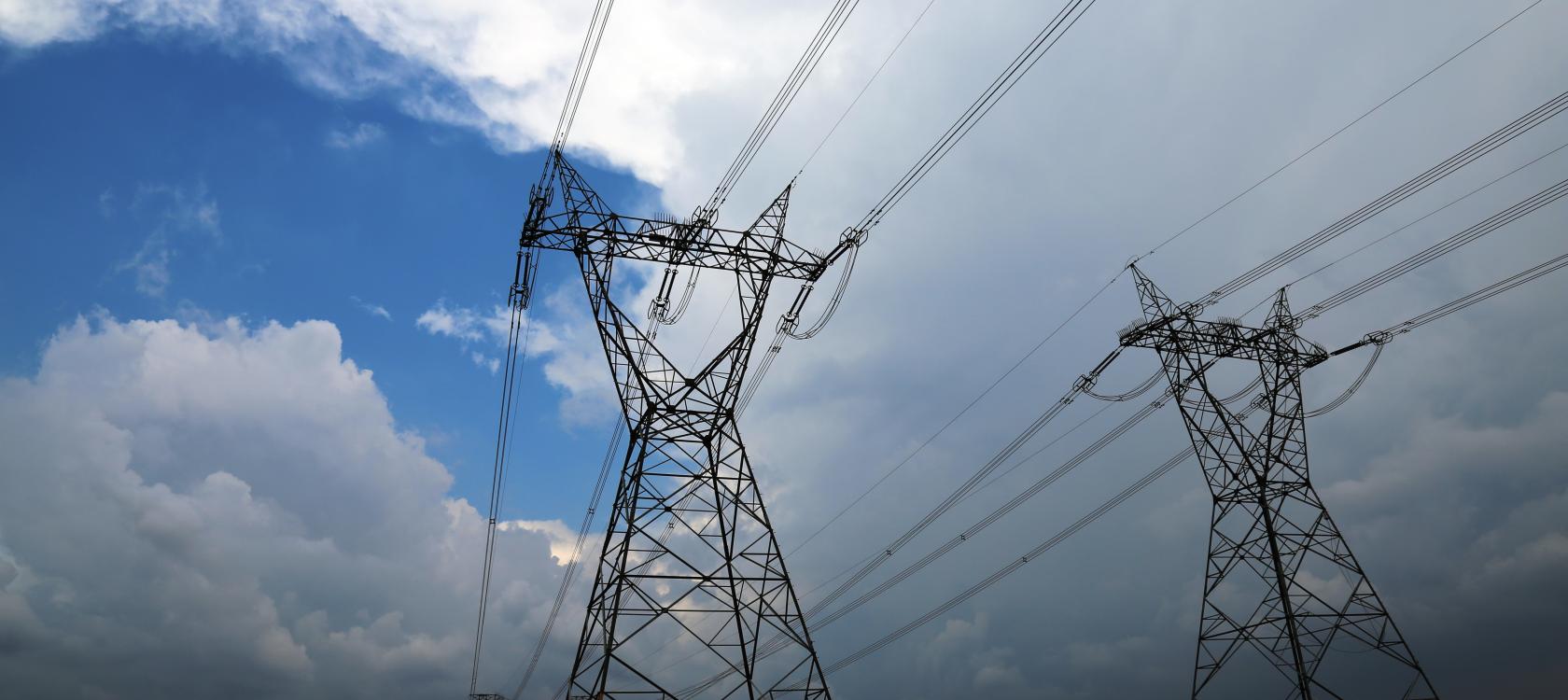
A significant portion of the funding will be allocated to the energy sector, with a focus on environmentally friendly solutions. The funds will support a large-scale project to expand electricity networks, targeting densely populated areas.
This program includes access to electricity for 200,000 households, as well as the connection of 850 traders and industrial units to the national grid. Additionally, 50,000 people will benefit from off-grid electricity solutions, while 100,000 households will receive clean cooking equipment. The project also involves equipping 310 public institutions, including health centers, and installing solar streetlights on 200 kilometers of roads in secondary cities around Kigali.
Beyond energy, the funding will support the improvement of public financial management, the strengthening of basic infrastructure, and investments aimed at positioning Rwanda as a regional hub for transportation and tourism. Agriculture, livestock, and aquaculture are also among the targeted sectors, confirming the country’s ambition to consolidate inclusive and resilient growth.

