



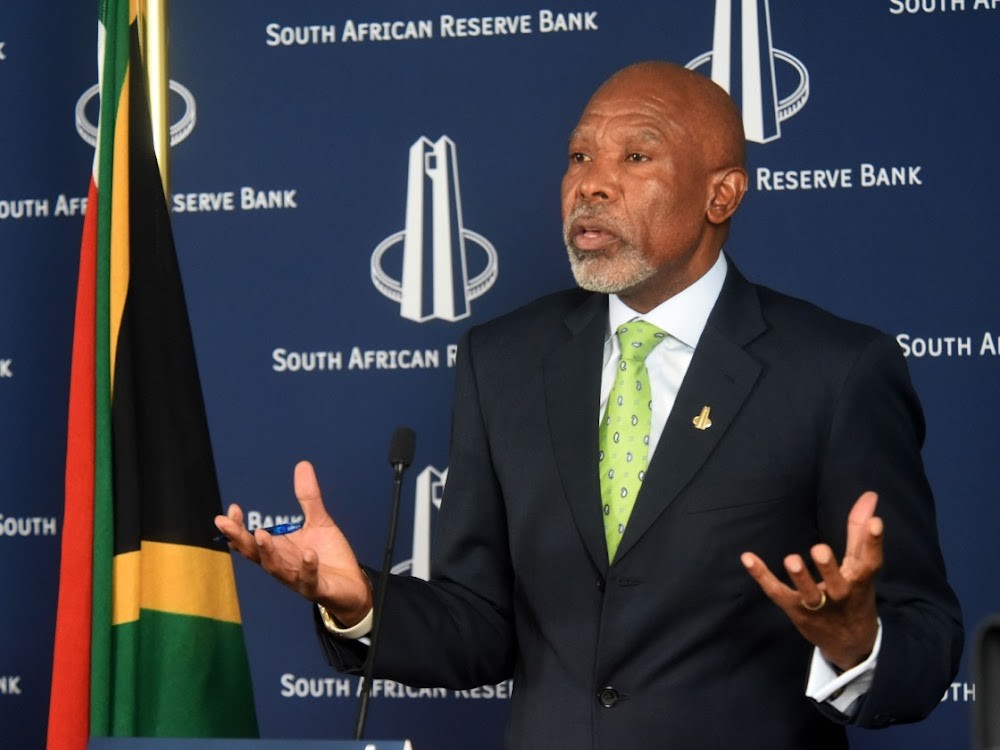
The South African Reserve Bank (SARB) kept its repo rate unchanged on Thursday, January 29, stating that inflation remains firmly anchored within its target range, while the rand continues to strengthen thanks to a favorable external environment and rising commodity prices.
This decision by the Monetary Policy Committee comes after a 25 basis point cut announced in November, following the lowering of the inflation target to 3%. Since then, consumer prices have been at levels rarely seen before: average inflation stood at 3.2% in 2025, the lowest in over twenty years, despite a slight increase to 3.6% in December.
The rand reacted positively, trading around 15.75 to the dollar on Thursday afternoon. According to Governor Lesetja Kganyago, the currency is benefiting not only from a weaker dollar, but also from increased demand for safe-haven assets and record-high gold prices.
“Global imbalances, whether in terms of budget deficits, public debt, or trade surpluses, pose structural risks,” said Kganyago, while highlighting the resilience of financial markets and the continued global growth, supported by investment in artificial intelligence and expansionary fiscal policies.
However, analysts point out that the current strength of the rand does not shield it from external shocks. Decisions by the US Federal Reserve, developments in commodity markets, and geopolitical tensions will continue to weigh on the currency in the coming months.

