



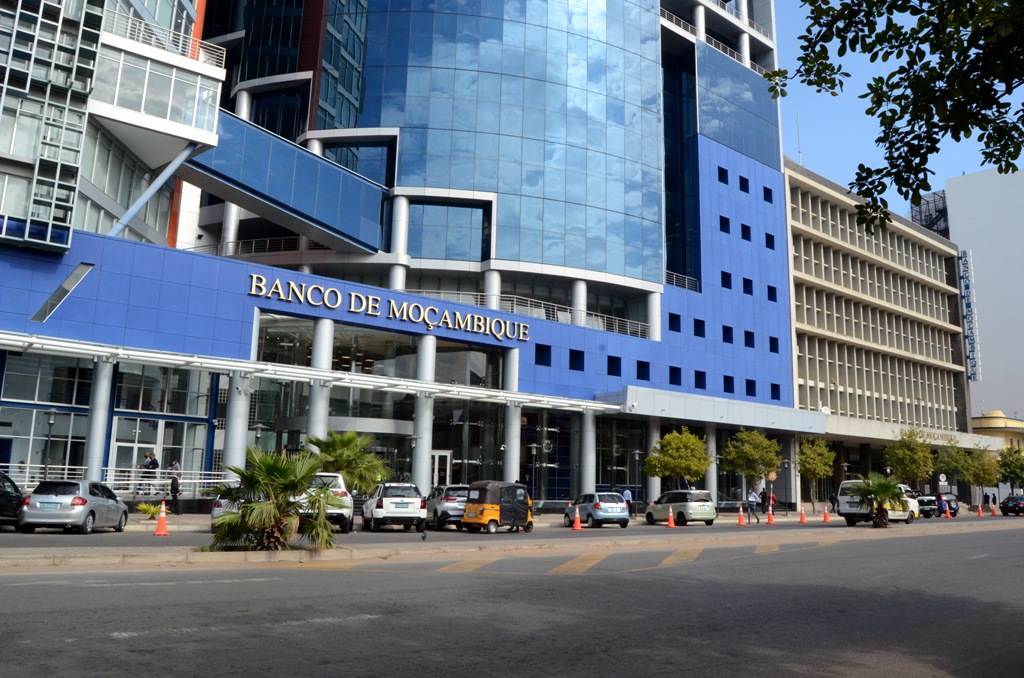
The central bank of Mozambique lowered its key rate by 25 basis points on Wednesday, January 28, bringing it to 9.25%, marking the 13th consecutive decrease. The regulator indicates that the end of its monetary easing cycle is near, due to emerging risks, including the severe floods that recently hit several provinces of the country.
This decision comes in an economic context where Mozambique, whose nominal GDP is estimated at nearly $24.7 billion in 2025, sees its economy weakened by climatic shocks and structural uncertainties.
The previous rate reduction, initiated in November, was also 25 basis points. Since 2024, the central bank has significantly eased its monetary policy with the aim of supporting economic recovery, bringing the key rate down from 16.50% in January 2024 to 9.50% in November 2025, and now to its current level. This policy aims to stimulate credit and investment in an economy marked by contained inflation but rising risks.
Furthermore, the floods caused by heavy rains over the past 20 days have caused significant damage in several regions of the central and southern parts of the country. Faced with this situation, the Mozambican government estimated its needs at at least $644 million on January 27 to finance the repairs and reconstruction of the affected infrastructure, highlighting the extent of the impact of natural disasters on public finances.
On the inflation front, the country has seen a slowdown in price increases, with an annualized rate falling to 3.23% in December, down from 4.38% in November, its lowest level in 13 months. This deceleration, combined with the decrease in key rates, reflects a relatively stable price environment, although still vulnerable to external shocks and climate disruptions.
In parallel with these macroeconomic developments, Mozambique is in negotiations with the International Monetary Fund (IMF) for the implementation of a new loan program. Once this agreement is reached, authorities have indicated that the government may consider debt restructuring, in a context where managing public obligations remains a central issue for economic stability.

