



The Nigerien military regime announced on Sunday evening the placing of uranium extracted by the Société des mines de l’Aïr (Somaïr) on the international market, de facto acknowledging the loss of operational control of the site by Orano. This decision comes six months after the nationalization of Somaïr by Niamey, declared in June 2025, which removed the French giant’s 63.4% stake in favor of full control by the Nigerien state, which was previously a shareholder at 36.6%.
This rupture marks a decisive turning point in a mining partnership that began over half a century ago in the north of the country. Since the coup d’état in July 2023, relations between the ruling junta and Orano have gradually deteriorated, against the backdrop of Niger’s geopolitical repositioning and the erosion of ties with the former colonial power. The issue of uranium has become one of the main points of contention: Paris has always considered the site strategic for the security of the French nuclear industry’s supply, while Niamey claims full sovereignty over its resources.
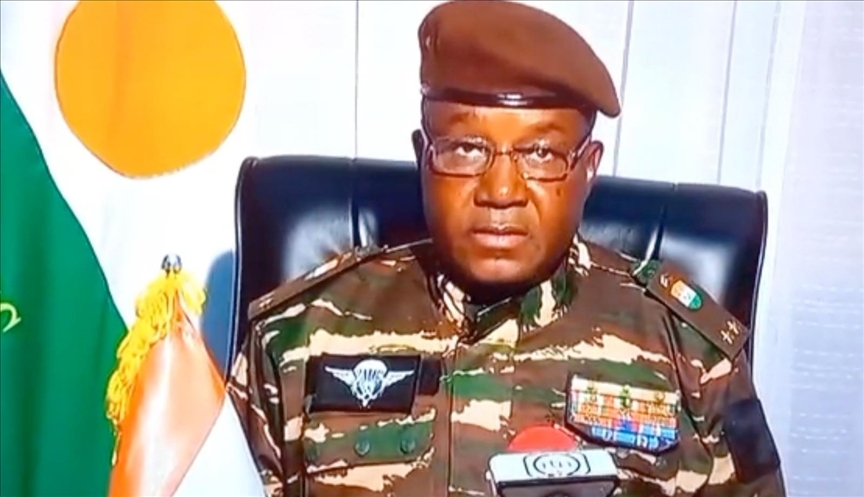
In June, Orano denounced in a statement an “expropriation” crowning a “strategy by military authorities to expel Orano from Niger,” claiming to have made multiple attempts at dialogue. Conversely, Nigerien authorities assert the “legitimate right of Niger to dispose of its natural resources.” According to Télé Sahel, General Abdourahamane Tiani recently stated that “Niger, dignified, is putting its own production on the international market,” thus announcing the end of the historical model based on concessions mostly operated by French actors.
The junta is now exploring new partnerships. Tehran and Moscow have expressed interest in Nigerien uranium, a mineral that Niger was long the top African producer of before being surpassed in recent years by Namibia. In July, Russia publicly expressed its desire to invest in the exploration and exploitation of Nigerien deposits, in a context where Niamey has openly reoriented its diplomacy towards new allies. The opening to the international market, combined with these strategic repositionings, reshuffles the cards of a key sector for the Nigerien economy and the global nuclear industry. It remains to be seen whether the country will be able to maintain production, attract new investors, and politically secure a sector historically under tension.

