



Viewpoint of the agency HARVEST ASSET MANAGEMENT. By Franky BUNANG, Deputy General Manager and Denis NZIFACK, Economic Analyst.

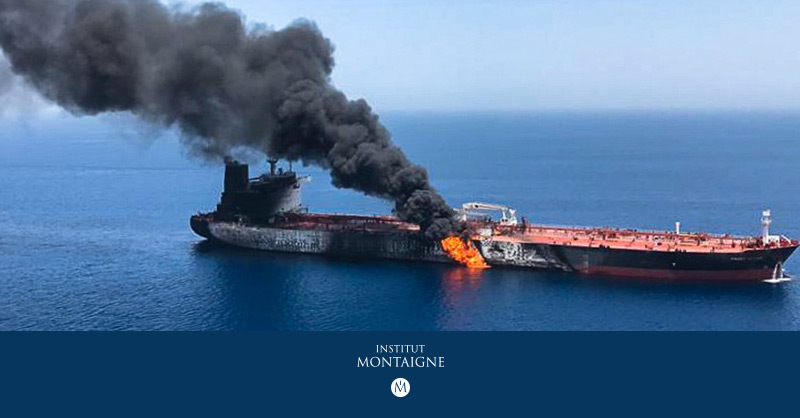
Since the outbreak of the conflict between the United States and Israel against Iran, we have witnessed a surge in the price of Brent crude oil. The black gold now hovers above $100 per barrel, an increase of nearly 40% since the start of the war.
At first glance, this surge should be a boon for the CEMAC, a historically oil-rich region. However, a fundamental analysis challenges this reasoning. The production of the region is estimated at 38.3 million tons in 2025, down from 39.3 million in 2023 and 48 million in 2015. The decline is structural and accelerating, explained by the aging of existing wells and the reduction of new investments, partly linked to the energy transition context that does not encourage actors to revive the sector. Thus, less exported volumes mechanically means less revenue, even as prices rise.
Furthermore, in 2026, the CEMAC is a net importer of refined hydrocarbons. The budget allocated to imports will therefore increase, deteriorating an already fragile fiscal situation and exerting pressure on the terms of trade. This is actually the main reason for the monetary tightening carried out at the last Monetary Policy Committee meeting in December 2025. Thus, while the war rages on in the Middle East, another front is opening up for our economies. Considering a current scenario of a Brent barrel around $100 US dollars, we analyze below:
The CEMAC paradox: declining production, heavier bill
In their 2026 budget laws, only Gabon planned for an increase in oil revenue, at 1,363.1 billion CFA francs compared to 865 billion in 2025. Other exporting states, on the other hand, expected a decrease in their oil revenues. This trend is explained by the assumptions made in the budget laws, with a Brent barrel ranging from $60 to $65 and declining production volumes.
The current rise in prices, linked to the war, may partially offset this decline. If the situation persists, we could see revisions to the initial budget laws in the coming quarters, as in 2022-2023.
But even if volumes were stable, the paradox remains. The CEMAC exports crude oil, but imports refined products (gasoline, diesel, kerosene) massively due to insufficient processing capacity. SONARA in Cameroon and SOGARA in Gabon operate below their capacities. Thus, if the price of crude oil increases, imports of refined products will follow the same trend, accentuating the pressure on foreign exchange reserves and public spending.
As a reminder, according to BEAC data, CEMAC’s foreign exchange reserves declined by 12.6% between 2024 and 2025, standing at 6,377.3 billion CFA francs, covering 4.23 months of imports compared to 4.87 months in 2024. In this context, terms of trade will further deteriorate, canceling out some of the potential gain from rising prices.
A debt situation that will tighten
In their 2026 budgets, Cameroon and Gabon plan to turn to the international financial market for their financing. But the current context could change the trajectory of the key interest rates of major central banks (Fed and ECB), under pressure from a resurgence of inflation linked to rising energy costs. In this scenario, refinancing existing loans and issuing new lines may face higher financing costs. Some states may even have to postpone their projects.
In the sub-regional capital market, the financing question will face already high resource costs, which may hinder the 2026 issuance program. Indeed, in the public securities market, states planned for an envelope of nearly 4,300 billion CFA francs. In a context of uncertainties and the risk of rising key interest rates, investors will demand higher risk premiums. Debt service (3,759.6 billion CFA francs) could increase and challenge the refinancing balance.
A return of imported and local inflation
A significant portion of fertilizers used worldwide pass through the Strait of Hormuz. Tensions in this strait, combined with rising costs, will disrupt supply chains in the CEMAC. The risk of a surge in fertilizer prices is real, leading to higher agricultural production costs and, consequently, a deficit in local supply. A new medium-term inflationary pressure is to be feared. We are therefore at risk of a two-stage inflation: imported today, local tomorrow.
After the fuel price adjustments made in 2023 and 2024 by CEMAC states (through subsidy cuts), we are approaching a similar scenario. With high price levels, states will be forced to readjust fuel prices at the pump, fueling once again transportation costs and, consequently, local inflation. This war reveals our dependence: we produce oil, but we do not control the price of the fuel we consume.
Finally, according to recent BEAC data, inflation sources were mainly driven by local products. With the increase in maritime freight costs linked to rising oil prices, inflation will become more imported: manufactured products, food products, agricultural inputs. BEAC, guardian of foreign exchange reserves, will have to tighten its monetary policy to protect the CFA franc. Higher interest rates, credit tightening: the cost of money will increase, penalizing investment.
What role for the investor in this context?
In a context of rising borrowing rates, fixed-rate securities are an asset class to favor, as they offer high and secure returns over time. The key to success will lie in portfolio diversification, vigilance in the face of market developments, and guidance from investment professionals. It is therefore recommended to carefully analyze the different opportunities and select securities that offer the best balance between expected returns and controlled risk levels.
What solutions are available in this situation?
Faced with this worrying picture, several avenues deserve to be explored.
Firstly, reducing imports of refined products by pooling refining and storage infrastructure at the regional level. Such an approach would promote the energy sovereignty of the sub-region.
Secondly, as exporters of liquefied natural gas (LNG), the CEMAC countries (excluding Chad and the CAR) should consider setting up local fertilizer production plants, as LNG is a raw material for nitrogen fertilizers. This solution would help us overcome our food vulnerability.
Thirdly, faced with debt tension, it is necessary to harmonize the regulatory framework at the sub-regional market level, as initiated by the State of Cameroon, attract regional and international institutional investors, and focus on financial education for the general public.
Fourthly, revisiting subsidy policies, with a greater focus on vulnerable segments of the population that will be most affected.

