



Nairobi, Kenya—As Africa is poised to become the world’s fastest-growing aviation market, policymakers and industry leaders are focusing on a central challenge: how to translate the increasing demand into sustainable connectivity, competitiveness, and financial viability?
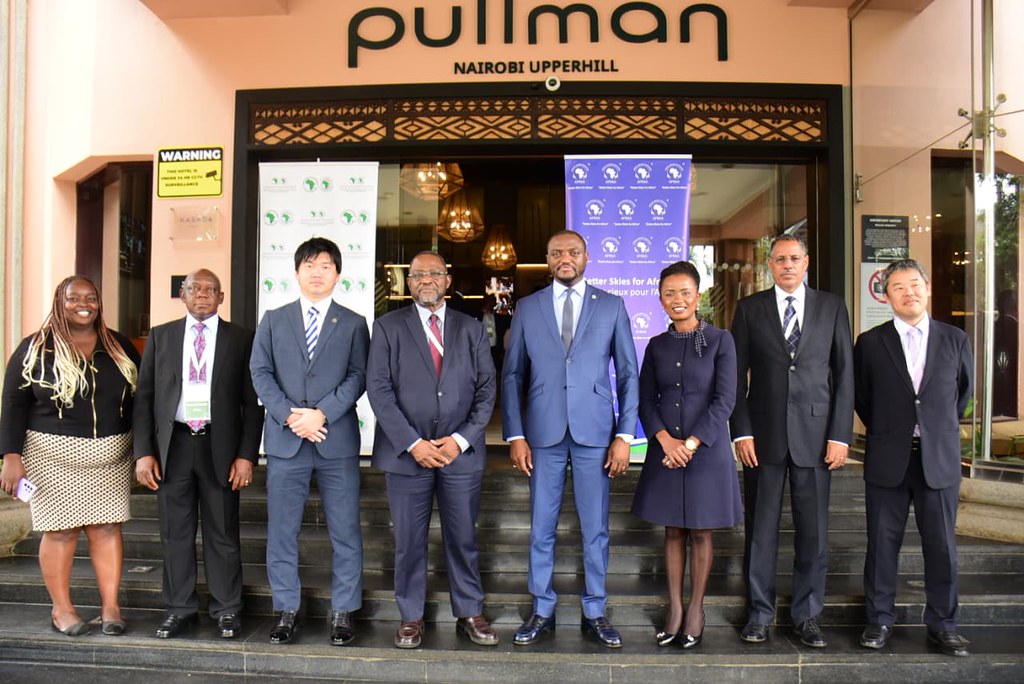
This issue was at the heart of discussions at the Airlines, Capital, and Connectivity Forum held on February 25 and 26, 2026 in Nairobi by the African Development Bank Group, in partnership with the African Airlines Association (AFRAA).
Despite strong demand fundamentals, the aviation sector in Africa still faces structural constraints, including high capital costs, fragmented regulatory regimes, infrastructure gaps, and limited access to long-term financing. To address these challenges, the Bank Group is promoting the Integrated Aviation Transformation Program (IATP), a continental platform designed to modernize the aviation ecosystem and mobilize private, institutional, and concessional capital on a large scale. This program aims to align policy reforms, innovative financing instruments, and project implementation within a single, bankable framework.
The forum brought together airline executives, Transport Ministers, regulators, investors, manufacturers, and development partners to explore how the IATP can accelerate coordinated implementation across the sector. Participants emphasized the role of aviation as a strategic catalyst for regional integration, trade facilitation, tourism, and economic diversification.
In his opening remarks at the forum, the Bank Group’s Director of Infrastructure and Urban Development, Mike Salawou, noted that while demand prospects in Africa’s aviation sector were among the strongest in the world, supply capacity and investment readiness were lagging behind. The IATP, he said, aims to reduce risks on priority investments, support initial pilot transactions, and restore confidence among commercial and institutional financiers.
From the industry perspective, AFRAA Secretary-General Abderahmane Berthé highlighted the magnitude of opportunities and the imbalance facing the continent. “Africa represents nearly 18% of the world’s population, but less than 3% of global air traffic, reflecting structural and regulatory obstacles rather than weak demand,” he pointed out.
In a speech on behalf of Kenya Airways, Africa was described as the largest structural opportunity of the 21st century in aviation. Over the next two decades, a quarter of new global air transport users are expected to come from Africa, driven by rapid urbanization, a growing middle-income population, and a young demographic profile.
However, the financial performance of the sector remains limited. According to the International Air Transport Association (IATA), African airlines are expected to achieve net margins of only 1-2%, which is below the projected global average of 3.9% in 2026. High fuel costs, heavy taxation, incomplete liberalization, and limited hub infrastructure continue to weigh on profitability.
Connectivity remains a major bottleneck. Intra-African traffic accounts for only about a quarter of total air transport, with many passengers forced to transit through countries outside the continent. Participants emphasized that full implementation of the Single African Air Transport Market was essential to unlock efficient intracontinental connectivity.
In the opening speech by Eric Ntagengerwa, Head of Transport and Mobility at the African Union Commission (AUC) on behalf of Lerato Dorothy Mataboge, Commissioner for Infrastructure and Energy, aviation reform was presented as imperative for sovereignty, integration, and competitiveness. He emphasized that the Single African Air Transport Market would be the African Union’s theme for 2027.
Discussions, held over two days, focused on practical implementation, including strengthening the bankability of airlines, promoting climate-friendly aviation, developing freight and logistics, enhancing skills, and deploying innovative risk-sharing mechanisms under the IATP. National experiences from Nigeria, Kenya, and Ethiopia illustrated how continental objectives could translate into coordinated national reforms and short-term investment opportunities.
Samuel Obafemi Bajomo, Senior Advisor to the Nigerian Ministry of Aviation, emphasized that forward-looking, investment-friendly policy frameworks were essential to enhance connectivity and unlock Africa’s growth potential, positioning aviation as a catalyst for trade, tourism, and shared prosperity.
The forum concluded with a clear message: aviation demand in Africa is real, accelerating, and irreversible. The priority now is implementation: aligning policies, capital, and infrastructure to make aviation a sustainable driver of inclusive growth and regional integration across the continent.

