



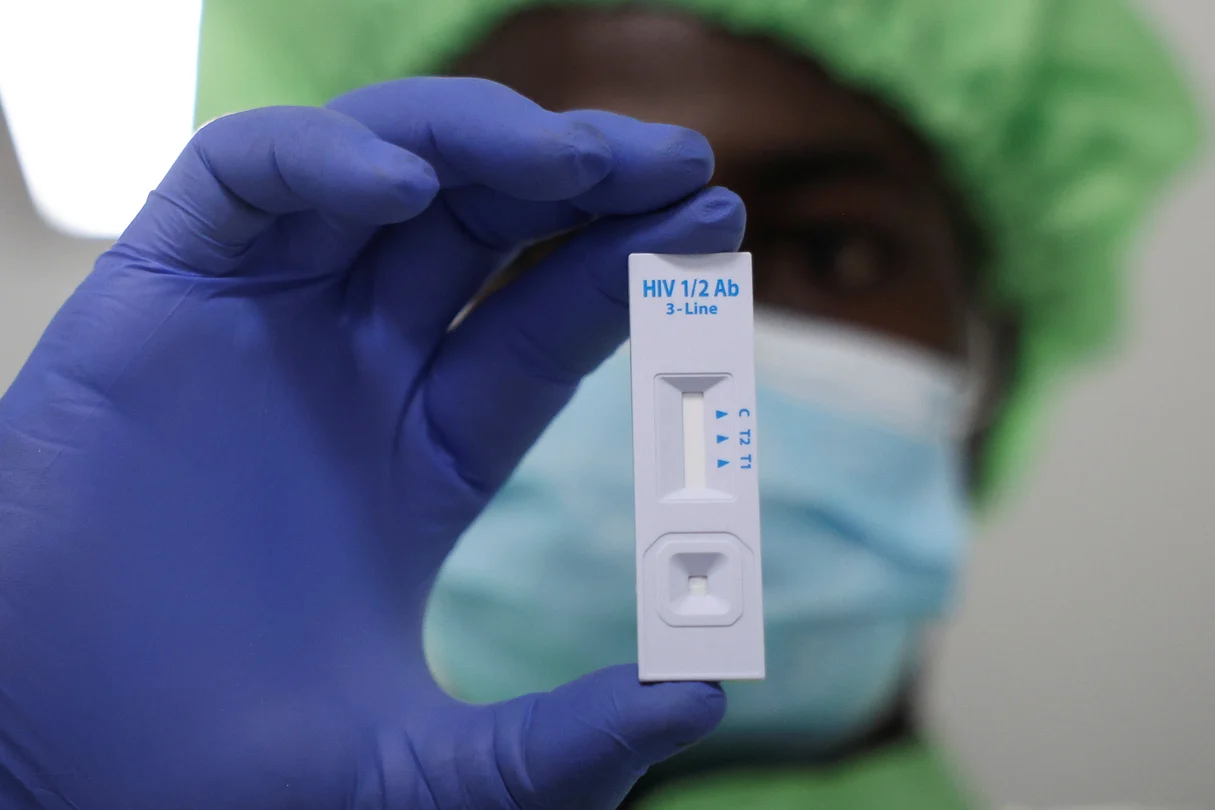
The United States Department of State announced on Wednesday, February 25, the signing of a five-year bilateral memorandum of understanding with Burkina Faso, for a total amount of $147 million. This financial support aims to assist the country’s efforts in the fight against HIV/AIDS, malaria, and other infectious diseases, while strengthening national capacities for epidemiological surveillance and response to health emergencies.
According to the official statement, the agreement establishes the basis for enhanced cooperation aimed at improving Burkina Faso’s capacity to prevent and contain the spread of communicable diseases.
As part of this partnership, Burkina Faso commits to increasing its national health expenditures by $107 million, demonstrating a willingness to take ownership and strengthen its healthcare system.
The agreement includes the allocation of approximately $12 million to global health security initiatives. These funds will help consolidate community health systems, modernize and digitize mechanisms for collecting and transmitting health data, and enhance laboratory capacities to quickly detect emerging pathogens.
The protocol also incorporates longstanding programs dedicated to combating malaria and maternal and child health, while focusing on supporting frontline community health workers, considered the cornerstone of a sustainable and locally-driven healthcare system.
At the end of the memorandum’s coverage period, health workers and laboratory technicians funded by the United States will be integrated into the Burkinabe public health service. The stated goal is to build a resilient national healthcare system capable of protecting Burkinabe and American populations against cross-border health threats.
Not all countries approached have joined the initiative. Zimbabwe officially declined a $367 million funding offer, citing concerns related to national sovereignty and control mechanisms outlined in the agreement. Zambia, on the other hand, expressed reservations about certain provisions. The continuation of discussions between Washington and Lusaka will depend on potential adjustments to the contested clauses.
A comprehensive health strategy
These agreements are part of the “America First” global health strategy. To date, the protocols already signed represent over $18.56 billion in new health financing, including $11.33 billion in American aid and $7.23 billion in partner country co-investments.
As of February 25, the Department of State had concluded 17 bilateral agreements with Botswana, Burkina Faso, Burundi, Cameroon, Côte d’Ivoire, Eswatini, Ethiopia, Kenya, Lesotho, Liberia, Madagascar, Malawi, Mozambique, Nigeria, Uganda, Rwanda, and Sierra Leone.

