



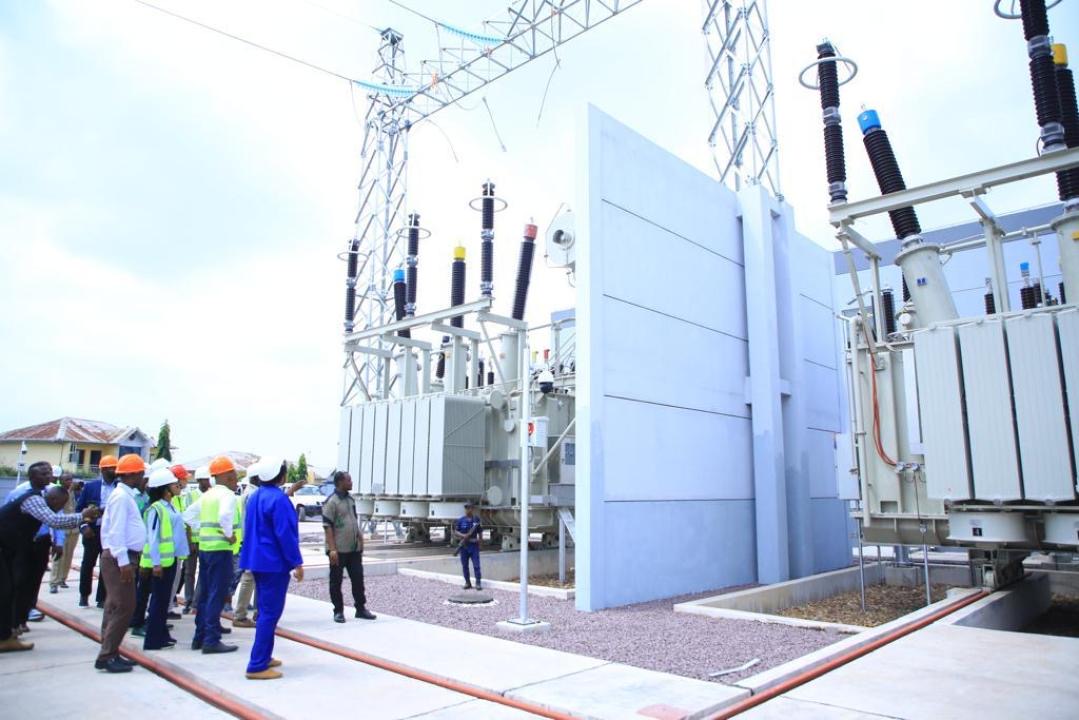
The DRC estimates the total investment cost for the construction of the Kinsuka hydroelectric power plant, located west of the city of Kinshasa, at around $2.8 billion. This project is expected to be executed over a period of 5 years, according to the minutes of the council of ministers of February 6, 2026, projecting an annual production of nearly 7,450 gigawatt hours (GWh), in a context marked by the increasing need for electricity in the Congolese capital.
Developed by the joint venture Kinsuka Power, bringing together Great Lake Energy (GLE), entrepreneur Yves Kabongo’s company, and the Forrest Group through its subsidiary Congo Energy, this project has passed all the required administrative steps for the production of electric energy, we learn.
Presenting the information note from the Minister of Hydraulic Resources and Electricity, Aimé Sakombi, the interim government spokesperson, Yollande Elebe, emphasized that this project addresses major energy issues for the country. The initiative aims in particular to sustainably reduce the structural electricity deficit in Kinshasa, by improving the availability and stability of energy for households, public services, and economic activities. It should also contribute to strengthening national energy security through increased production from a renewable and competitive source.
In addition to the construction of the Kinsuka power plant, the note presented to the Council of Ministers includes a second component focusing on the development of an integrated mapping of the country’s energy and mining sites. This strategic tool, now available, offers spatial analysis combining data from both sectors to support the industrial and energy development of the DRC. It also serves as a decision-making tool to facilitate dialogue with technical and financial partners, donors, and investors, especially in the extractive industry.
The realization of this mapping is also part of the National Energy Compact dynamic, aiming to accelerate the deployment of structuring projects, identify areas with high potential or risks, improve infrastructure planning, and support the digital modernization of the Congolese energy sector.
In early February, the DRC and France signed a memorandum of understanding for the development of the Inga 3 hydroelectric project, estimated at around $14 billion. Considered one of the largest energy projects on the continent, this program includes the construction of a power plant with a capacity of 11,000 megawatts in the province of Kongo Central, with the ambition to strengthen the national energy supply and position the DRC as a future regional hub for electricity export.

