



The Heads of State of the Economic and Monetary Community of Central Africa (CEMAC) decided on January 22, 2026 in Brazzaville to repatriate assets held outside the zone by States and export revenues of companies, especially those from hydrocarbons, the mining sector, and raw materials. This is a measure on which the Bank of Central African States (BEAC) is fully committed.
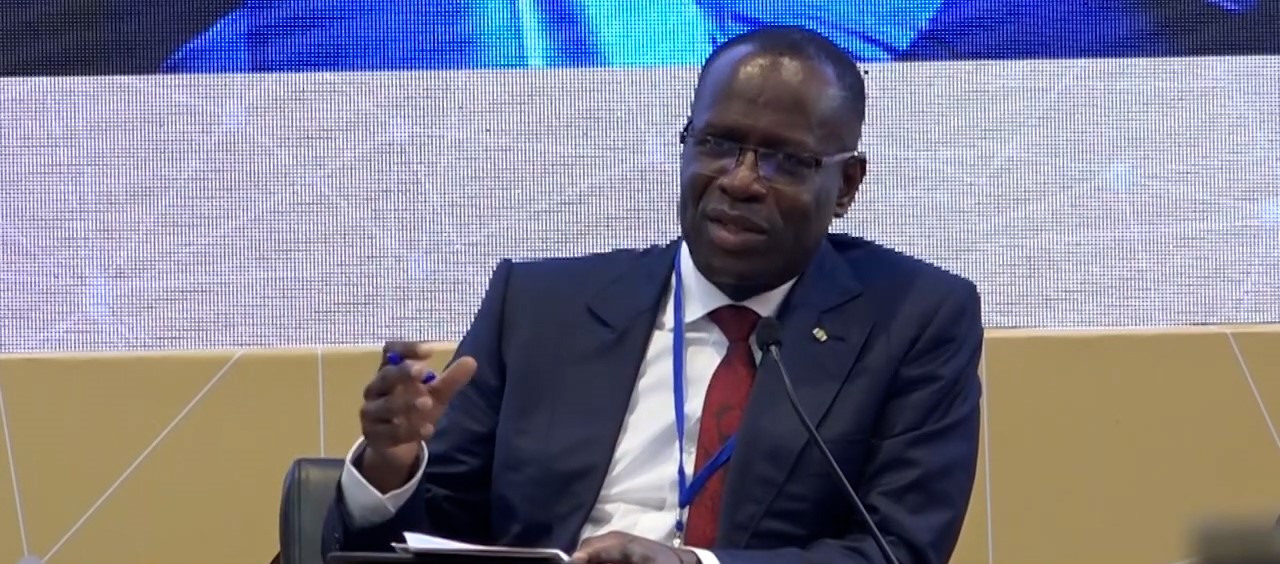
On January 30, in a meeting with the Deputy Assistant Secretary for African Affairs at the U.S. Department of State in Yaoundé (Cameroon), Governor Yvon Sana Bangui reiterated these new guidelines aimed at ensuring that revenues generated by exports effectively contribute to strengthening the common external position. In this context, a specific agreement was reached with companies in the extractive sector, providing for the partial repatriation of export revenues up to 35%.
According to the BEAC, this measure is not based on arbitrary constraint, but responds to a macroeconomic imperative: preserving the stability of the CFA franc, securing the import capacities of the sub-region, and strengthening the financial credibility of CEMAC. The Governor expressed to his counterparts the central bank’s willingness to continue a constructive dialogue with the companies concerned, in order to establish sustainable, balanced mechanisms that are compatible with investors’ operational requirements, while respecting the sovereign decisions of the member States.
With this new reform adopted in Brazzaville, companies operating in the sectors concerned are now required to reintroduce foreign currency-generated revenues into the CEMAC zone. These flows are to be centralized by the BEAC in order to consolidate foreign exchange reserves, support the stability of the CFA franc, limit capital flight, and restore the confidence of international donors.

