



Moody’s credit rating agency has upgraded Kenya’s long-term foreign currency sovereign credit rating from “Caa1” to “B3”, stating that the country’s short-term default risk has significantly reduced. This decision was announced in a statement released on January 27, 2026.
According to Moody’s, the improvement in Kenya’s external liquidity is based on several factors, including increased foreign exchange reserves, reduced current account deficit, and stabilization of the Kenyan shilling.
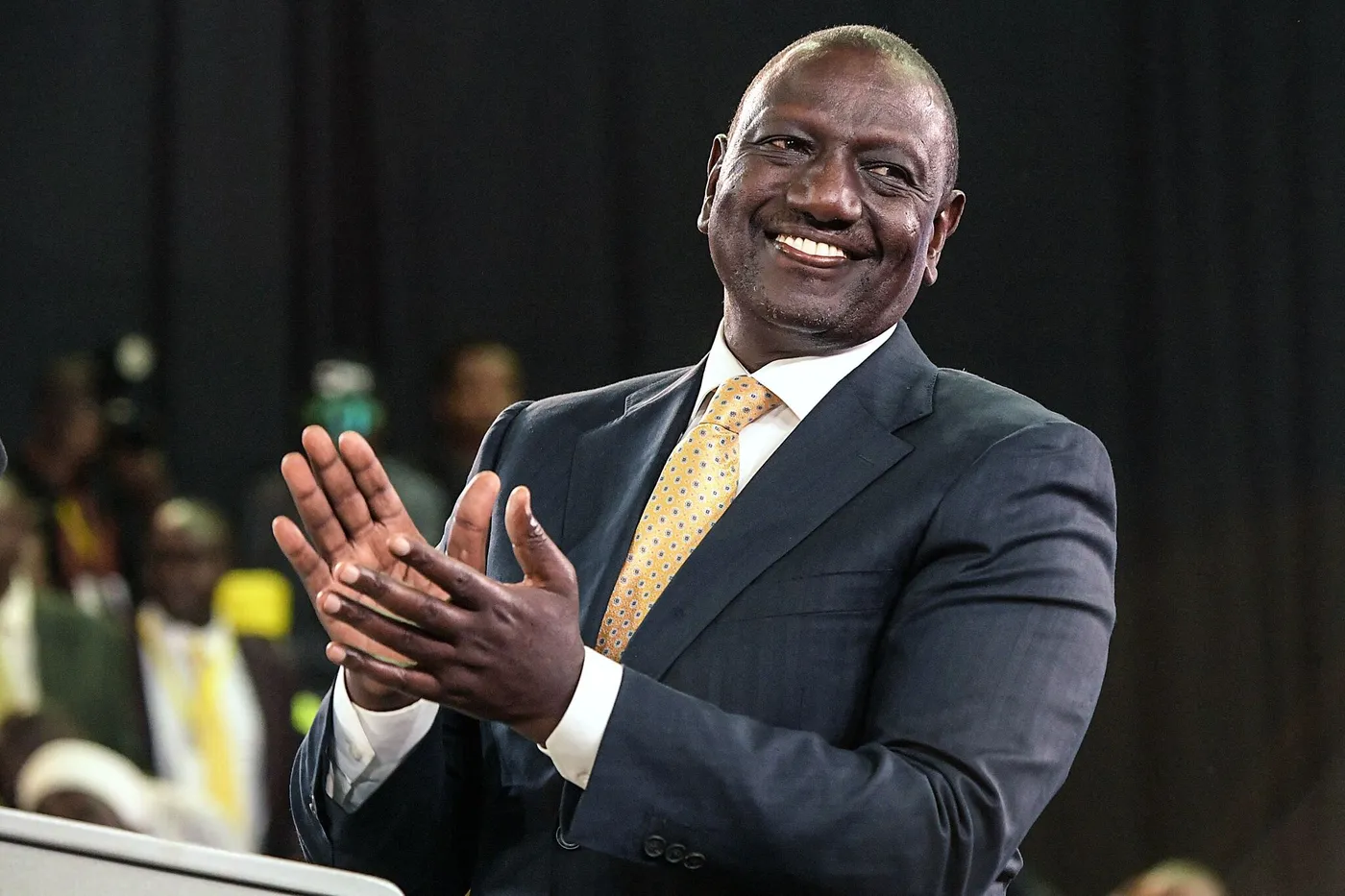
As the largest economy in East Africa, the country led by William Ruto experienced accelerated growth in the third quarter of 2025, supported by the recovery of the construction sector and a more dynamic agricultural activity than anticipated.
The country’s international reserves are expected to reach $12.2 billion by the end of 2025, representing approximately 5.3 months of import cover, thereby strengthening the economy’s ability to absorb external shocks.
However, Moody’s highlights that the rating is still constrained by a limited debt repayment capacity and a perceived slow budget consolidation. High domestic borrowing costs, combined with political and social pressures, hinder efforts to reduce the budget deficit and maintain vulnerability to changing financing conditions.
Faced with high public debt and significant repayment obligations, Kenya is seeking to diversify its sources of financing to preserve budget margins for development expenses and infrastructure investments.
In this context, the Kenyan government is negotiating a new program with the International Monetary Fund, as the previous one expired in April, while exploring less costly financing mechanisms, including a debt-for-food exchange project considered in the first half of the year.
Finally, Moody’s has revised the outlook associated with Kenya’s rating from “positive” to “stable”, reflecting the expectation of continued recent improvements in liquidity and financing, with overall balanced risks.

